Category: Home Services

  • Choosing the Right Commercial Water Treatment System for Your Business

    Choosing the Right Commercial Water Treatment System for Your Business

    Water plays a much bigger role in business operations than most people realize. In a restaurant, it affects coffee, cooking, dishwashing, and ice. In a hotel, guests notice it in showers and drinking water. In a manufacturing facility, water may become part of a production process itself.

    When the quality of that water isn’t quite right, the effects can spread quickly.

    Scale can build up inside equipment. Sediment may clog components. Unpleasant tastes can affect food and beverages, while certain contaminants may create more serious operational concerns. And unlike a residential property, a commercial facility can use thousands of gallons of water in a normal day.

    That’s why commercial water treatment needs a slightly different way of thinking. It’s not simply about choosing a filter and plugging it in. Capacity, flow rate, water chemistry, maintenance, operating costs, and reliability all matter.

    Start With the Water, Not the Equipment

    It sounds simple, but it’s an important point: test the water before choosing a treatment system.

    A commercial facility may receive municipal water, well water, or water from another source. The characteristics can vary considerably. Hardness, iron, sediment, chlorine, dissolved solids, pH, and other factors can influence which treatment technology makes sense.

    Water testing provides a baseline.

    Without it, a business may spend money addressing the wrong problem. A system designed primarily for hard water won’t necessarily remove a particular dissolved contaminant, and a basic sediment filter won’t solve every taste or odor issue.

    Good commercial water treatment begins with understanding what is actually in the water.

    Hard Water Can Become an Expensive Nuisance

    Hard water is common and contains minerals such as calcium and magnesium. In a commercial environment, however, the consequences can become more noticeable simply because equipment is used so frequently.

    Coffee machines, boilers, dishwashers, water heaters, laundry equipment, and other appliances may encounter hard water every day.

    Over time, scale can accumulate on heating surfaces and internal components. Cleaning may become more frequent, equipment performance can suffer, and maintenance costs may increase.

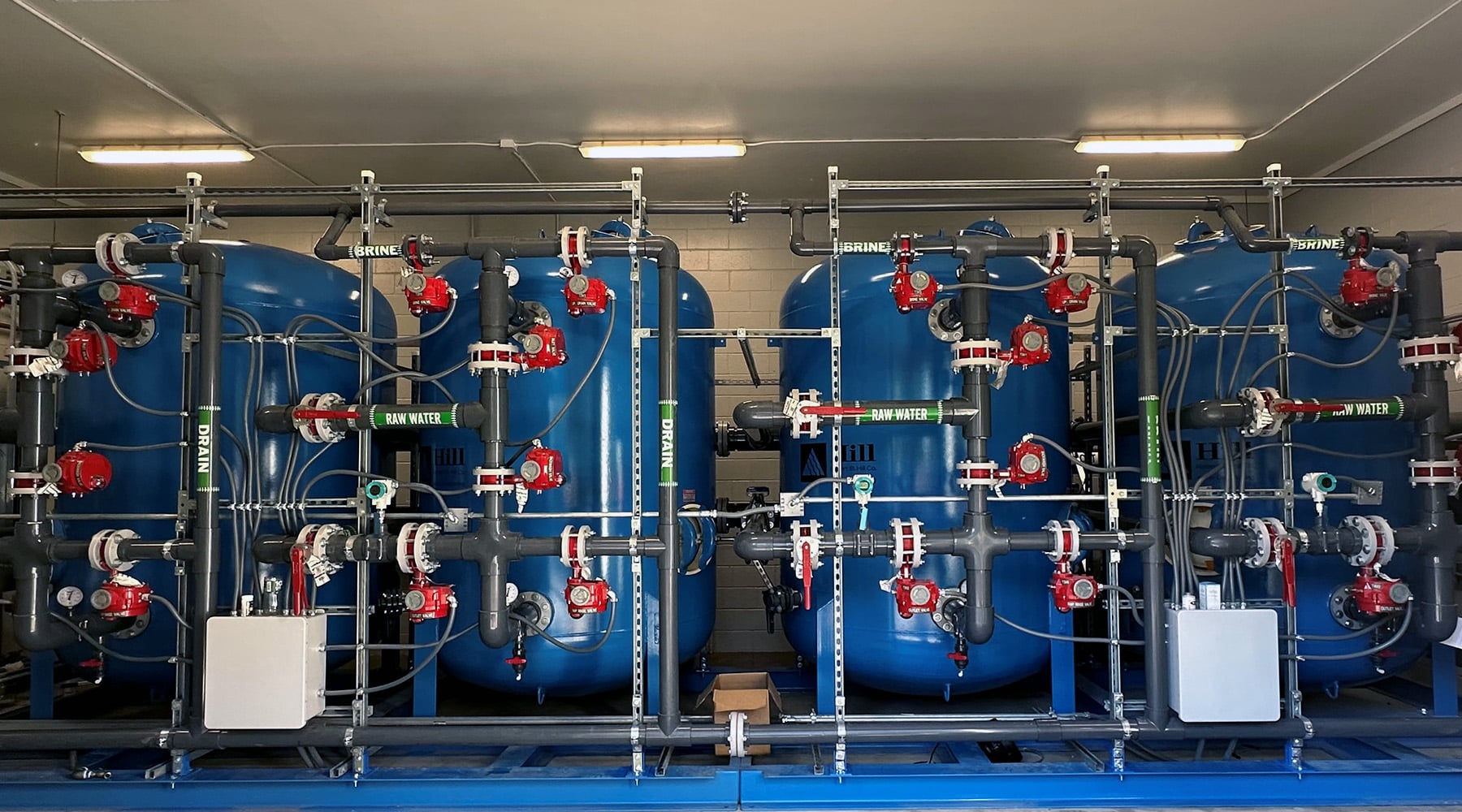
    For facilities dealing with significant hardness, commercial water softeners can help reduce calcium and magnesium before the water reaches sensitive equipment.

    The important part is sizing. A system designed for a small office won’t necessarily cope with the demand of a busy hotel or restaurant. Flow rate and peak usage should be considered, not just average daily consumption.

    Filtration Depends on the Problem

    The word “filtration” covers a surprisingly wide range of technologies.

    A sediment filter might remove sand, rust, or other physical particles. Activated carbon can be useful for reducing chlorine and improving taste and odor. Specialized media can address particular contaminants.

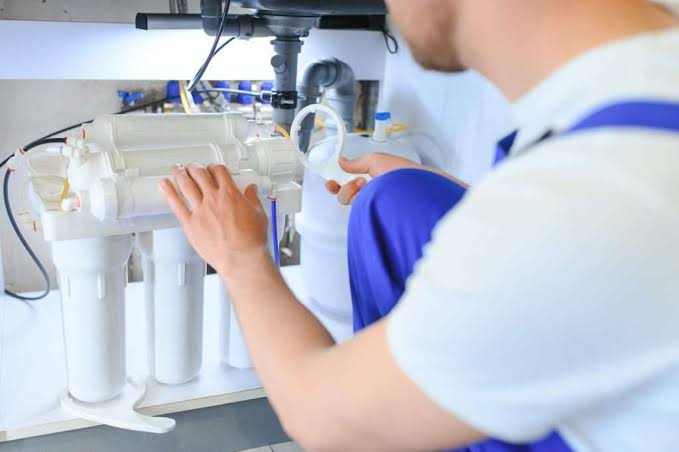
    For businesses, commercial water filtration systems need to be selected with both water quality and operating conditions in mind.

    The system has to handle the required flow without creating unnecessary pressure loss. It also needs a practical maintenance schedule. A filter that performs brilliantly in a laboratory but requires constant attention during a busy workday isn’t necessarily a great commercial solution.

    Reliability matters.

    Reverse Osmosis Has a More Specialized Role

    Reverse osmosis, commonly called RO, uses a semipermeable membrane to reduce many dissolved substances from water.

    It’s particularly useful in applications where lower dissolved-solids water is desirable. Restaurants may use it for certain beverage or ice applications, while other businesses may require highly treated water for manufacturing or specialized processes.

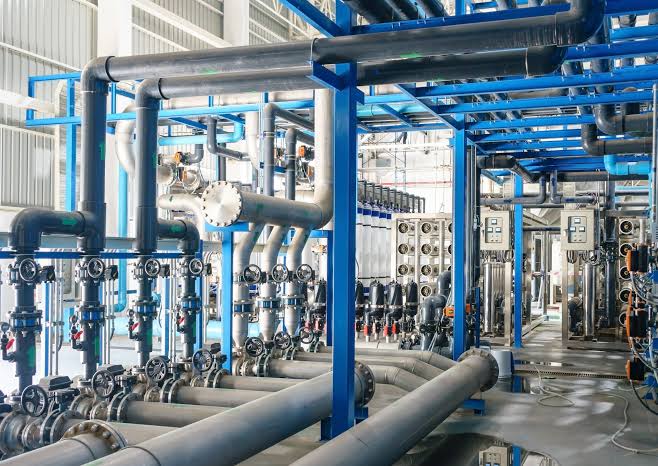
    A properly designed commercial reverse osmosis system can produce treated water at a much larger scale than typical residential equipment.

    But RO comes with considerations. Membranes require protection from fouling, systems need appropriate pretreatment, and the process produces a concentrate or reject stream. Storage and delivery capacity may also matter when demand fluctuates throughout the day.

    In other words, RO isn’t simply “install a membrane and forget about it.”

    Think About Peak Demand

    This is where commercial systems differ significantly from many residential setups.

    A business may have relatively low water consumption for much of the day and then experience a sudden surge. A restaurant might use large quantities during meal preparation and cleanup. A hotel can see simultaneous demand from multiple rooms. A manufacturing facility may have specific production cycles.

    The treatment system needs to keep up when demand is highest.

    That’s why flow rate is just as important as daily capacity. A system that can treat enough water over 24 hours may still struggle if too much water is required during a short period.

    Proper sizing should account for both average and peak demand.

    Maintenance Should Fit Your Schedule

    Nobody wants a water treatment system that becomes another operational headache.

    Commercial facilities often run on tight schedules. Maintenance may need to happen outside operating hours, during planned shutdowns, or according to a regular service agreement.

    Before selecting equipment, ask how often filters need changing, how frequently softener regeneration occurs, how membranes are maintained, and whether professional service is required.

    Also consider access.

    If a technician needs to dismantle half the equipment around the system just to replace a cartridge, routine maintenance can quickly become inconvenient.

    A well-designed installation should make service as straightforward as possible.

    Consider Operating Costs, Not Just Purchase Price

    The initial equipment price is only one part of the financial picture.

    Businesses should also consider water consumption, electricity, salt or regenerant use, replacement filters, membrane replacement, service, cleaning, and downtime.

    A system with a slightly higher purchase price may prove more economical if it uses fewer consumables or requires less frequent maintenance.

    Conversely, a sophisticated system isn’t automatically the most cost-effective option.

    The right question isn’t, “What’s the cheapest system?”

    It’s, “What system gives us the performance we need at a reasonable total operating cost?”

    That’s a much better business question.

    Protect the Equipment That Matters Most

    Not every piece of equipment has the same water-quality requirements.

    A commercial kitchen may have certain machines that are particularly sensitive to scale. A manufacturing process may have strict water specifications. An office may mainly care about drinking water taste.

    Treatment can therefore be designed around the most important applications.

    In some facilities, whole-building treatment makes sense. In others, it may be more efficient to provide specialized treatment at individual points of use.

    There’s no rule saying every faucet has to receive exactly the same treatment.

    Don’t Overlook Professional Design

    Commercial water treatment is one of those areas where installation quality can matter almost as much as the equipment itself.

    Incorrect sizing, poor plumbing, inadequate pretreatment, or insufficient storage can undermine an otherwise excellent system.

    A knowledgeable provider should look at the water analysis, usage patterns, available space, drainage, pressure, and operational requirements before recommending equipment.

    They should also explain what happens when something needs servicing.

    If the answer is vague, keep asking questions.

    A Long-Term Investment in Operations

    Water treatment isn’t usually the most exciting item on a business budget. It doesn’t generate headlines or impress customers directly.

    But reliable water can quietly support almost every part of an operation.

    It can help reduce scale-related maintenance, protect sensitive equipment, improve the consistency of beverages and food preparation, and address specific water-quality concerns.

    The smartest approach is to avoid treating commercial water treatment as a one-size-fits-all purchase.

    Test the water. Understand the process. Calculate demand. Compare technologies. Consider maintenance and operating costs. Then choose equipment that fits the facility rather than trying to force the facility around the equipment.

    Good water treatment should work in the background, reliably and predictably.

    And when a system is doing its job properly, that’s exactly what a business wants — fewer surprises, fewer avoidable maintenance problems, and one less operational issue competing for attention during a busy day.

  • Portsmouth and Manchester Removals: How to Choose the Right Company Without the Guesswork

    Portsmouth and Manchester Removals: How to Choose the Right Company Without the Guesswork

    Picking a removals company can feel a lot like picking a builder or a solicitor: everyone claims to be reliable, prices vary wildly for what looks like the same job, and it’s genuinely hard to tell who’s trustworthy until you’re already committed. This uncertainty is exactly why so many people end up either overpaying for a service they didn’t need or underpaying for one that leaves them frustrated on the day. Portsmouth and Manchester both have distinct enough housing and geography that generic advice only goes so far.

    This article focuses specifically on how to evaluate and choose between removals companies in these two cities, along with the practical details that separate a well-run move from a chaotic one.

    Why “Cheapest Quote” Isn’t the Same as “Best Value”

    It’s a natural instinct to gravitate toward the lowest number on a page, but removals pricing rarely tells the full story on its own. A quote that looks like a bargain might exclude packing materials, charge extra for disassembling furniture, or offer a smaller team than the job realistically needs, leading to a longer day and a higher final bill than expected.

    The more reliable approach is requesting an itemised breakdown from each company you’re considering, so you can compare like-for-like rather than guessing what’s actually included. Ask directly whether the quote covers:

    • Packing materials, or whether you need to supply your own
    • Disassembly and reassembly of large furniture
    • Insurance for goods in transit, and what the coverage limits are
    • The exact number of movers and vehicle size being allocated

    A company willing to break all of this down clearly, ideally in writing, is generally a safer bet than one offering a single vague total.

    Reading Between the Lines of a Quote

    If a quote seems unusually low compared to others you’ve received, it’s worth asking why directly rather than simply assuming you’ve found a good deal. Sometimes there’s a legitimate explanation, such as a quieter period in their schedule. Other times, it reflects a smaller team than the job needs, which can mean a move that drags on far longer than expected, or additional charges appearing after the fact for services you assumed were included.

    Choosing Removals in Portsmouth: What Sets a Good Company Apart

    Portsmouth’s layout, shaped by its naval history and island geography, creates specific challenges that not every removals company handles equally well. Streets in older parts of the city, particularly around Old Portsmouth and Southsea, are often narrow and were never designed with modern removal vans in mind. A company genuinely experienced in the area will know to plan around this, arriving with the right equipment and a realistic sense of how long loading will actually take.

    When evaluating Removals Portsmouth UK companies, ask how many years they’ve operated specifically in the city, rather than just generally in the region. Local experience matters more than a broad service area, since a company based two hours away might technically cover Portsmouth but lack the granular knowledge of which streets cause delays or where parking tends to be genuinely difficult.

    If your move involves crossing to the Isle of Wight, this becomes an even more important filter. Ask directly whether the company has coordinated moves around ferry schedules before, since this requires a different kind of planning than a standard mainland move, and a company without this experience might not build in enough buffer time for potential delays.

    Red Flags to Watch for When Choosing a Portsmouth Company

    • Reluctance to provide a written breakdown of costs
    • No clear answer about team size or vehicle allocation
    • Dismissive responses when you mention narrow streets or difficult access
    • No mention of insurance unless you specifically ask

    None of these alone necessarily means a company is unreliable, but multiple red flags together are worth taking seriously.

    Evaluating Manchester Removal Services for Your Property Type

    Manchester’s genuinely varied housing stock, from converted mill apartments to Victorian terraces to modern high-rise developments, means the right company for one type of move might not be the right fit for another. A firm that specialises in high-rise apartment moves, with strong relationships and experience coordinating with building management teams, might not be the best choice for a large family home with a garden shed full of tools and a garage packed with years of accumulated belongings.

    When comparing Manchester Removal Services, be specific about your property type during the enquiry process. Mention whether you’re in a high-rise with lift access requirements, a period terrace with narrow stairs, or a modern estate with straightforward parking. This detail shapes which company is genuinely best suited to your particular job, rather than just which one responded fastest or quoted lowest.

    Ask specifically about experience with your building type if you’re in an apartment block, since lift booking procedures, permitted moving hours, and required insurance documentation vary between developments and a company unfamiliar with your specific building might not know what to expect until they arrive.

    Questions Specific to High-Rise Manchester Moves

    1. Have you coordinated a move with this building’s management team before, or one like it?
    2. Do you carry the insurance documentation typically required by concierge services?
    3. How do you handle lift booking if the building requires it in advance?
    4. What’s your contingency plan if the lift is unavailable or out of service on the day?

    Getting clear answers here before booking saves considerable frustration on moving day itself.

    Balancing Cost, Experience, and Communication

    Ultimately, choosing between removals companies comes down to weighing three factors against each other: price, demonstrated local experience, and how clearly they communicate throughout the process. A company that’s slightly more expensive but has genuine experience with your specific property type and communicates every detail clearly is often a better choice than the cheapest option that leaves too many questions unanswered.

    Trust your instincts during the quoting process. If a company seems rushed, vague, or unwilling to put details in writing, that’s often a preview of how the actual moving day might go.

    Practical Steps for a Smoother Moving Day

    Regardless of which company you choose, a bit of preparation on your end makes a real difference:

    • Pack a clearly labelled essentials box with chargers, toiletries, medication, and a change of clothes
    • Label boxes by destination room rather than category, speeding up unpacking considerably
    • Photograph any complicated wiring before disconnecting electronics
    • Use towels or bedding to cushion fragile items rather than relying entirely on bubble wrap

    Frequently Asked Questions

    How do I know if a removals quote is genuinely comparable to another?

    Request an itemised breakdown from each company covering the same scope, including packing materials, disassembly, and insurance, rather than comparing bare total figures.

    Is local experience more important than a company’s overall size?

    For properties with specific access challenges, like narrow Portsmouth streets or Manchester high-rises, genuine local experience often matters more than the size or reach of the company.

    What should I ask if I’m moving into a high-rise apartment?

    Ask whether the company has experience with lift bookings, required insurance documentation, and coordinating with building management or concierge services.

    Are cheaper quotes always a bad sign?

    Not necessarily, but it’s worth asking why a quote is lower than others to rule out missing services or an undersized team that could extend the job significantly.

    How many quotes should I get before deciding?

    Three to four is usually enough to get a fair sense of pricing and service levels, provided each quote reflects the same scope of work.

    What’s the best way to avoid hidden costs on moving day?

    Get everything in writing beforehand, including what happens if the job runs longer than estimated, and confirm whether the price is fixed or subject to change.

  • Cleaner Water and Air: Simple Ways to Create a More Comfortable Home

    Cleaner Water and Air: Simple Ways to Create a More Comfortable Home

    We usually don’t think much about the water and air inside our homes until something feels off. Maybe the water leaves a strange taste in your morning coffee, or mineral deposits keep appearing around the kitchen faucet. Perhaps the air feels dusty even after cleaning, and certain rooms seem harder to keep fresh.

    These small frustrations can add up.

    The good news is that modern home treatment options can address many of these concerns. Water filtration, disinfection, and indoor air solutions each have a different purpose, and understanding those differences makes it much easier to choose wisely.

    The goal isn’t to fill your home with technology. It’s to create a cleaner, more comfortable environment with solutions that actually fit your household.

    Start With the Problems You Notice

    Every home has different conditions. One family may mainly struggle with hard water, while another may be concerned about sediment, taste, or odor. Indoor air can vary just as much depending on pets, ventilation, dust, humidity, and outdoor conditions.

    Before buying equipment, pay attention to the signs.

    Are there spots on dishes? Does water have an unusual smell? Is the showerhead covered with scale? Do you notice excessive dust shortly after cleaning?

    These observations don’t provide a complete diagnosis, but they’re useful clues.

    Testing water and evaluating indoor conditions can provide a much clearer picture of what needs attention.

    Water Filtration Is Not One-Size-Fits-All

    The word “filtration” covers a surprisingly wide range of technologies.

    Some systems are designed to reduce sediment or particles. Others focus on taste and odor. Certain systems are built for drinking-water applications, while whole-home systems are designed to treat water before it travels throughout the property.

    This distinction matters.

    Buying a filter simply because it has a good reputation doesn’t guarantee that it will address your particular concern. The equipment needs to match the water characteristics you’re trying to improve.

    It’s a little like buying a tool for a repair. A beautiful toolbox doesn’t help much if you don’t have the right wrench inside it.

    Where Activated Carbon Fits In

    One widely used filtration approach is activated carbon water filtration.

    Carbon filtration can be useful for certain taste and odor concerns and may reduce some substances depending on the type and design of the filter. That’s why carbon appears in many residential water-treatment products.

    However, carbon filtration isn’t designed to solve every water problem.

    For example, homeowners dealing primarily with hardness minerals may need a water softening approach rather than relying on a carbon filter alone. Likewise, specific contaminants may require specialized treatment.

    Knowing the intended purpose of a filter is just as important as knowing its brand.

    What UV Water Disinfection Does

    Filtration and disinfection aren’t exactly the same thing.

    uv / water disinfection uses ultraviolet light as a treatment method intended to inactivate microorganisms when the system is properly designed and operated. UV treatment is often considered in situations where microbial concerns are part of the water-treatment picture.

    But UV doesn’t remove everything from water.

    It doesn’t replace every type of filtration, and it isn’t designed to solve issues such as hardness or all dissolved substances. Depending on the water source, it may be used alongside other treatment technologies.

    That combination approach can sometimes make more sense than expecting one system to handle every concern.

    Why Drinking Water May Need a Different Approach

    The water you drink is only a small percentage of the total water used in a home, but it’s understandably one of the areas people care about most.

    Point-of-use systems can provide additional treatment at a kitchen faucet or another selected location. Reverse osmosis is another option homeowners sometimes consider when they want more extensive drinking-water treatment.

    The right system depends on the water source and the substances you’re trying to reduce.

    Testing is useful here because it can help prevent unnecessary treatment. You don’t want to spend money addressing a problem your water doesn’t actually have.

    Don’t Ignore Whole-Home Water Quality

    While drinking water gets plenty of attention, water used for showers, laundry, cleaning, and appliances matters too.

    If hard water is affecting faucets throughout the house, treating only the kitchen sink won’t solve the larger issue. Similarly, if sediment is entering the home through the main supply, a small under-sink filter may not address what happens at other fixtures.

    Whole-home treatment can make sense when the concern is widespread.

    The appropriate setup depends on water quality, household usage, plumbing configuration, and the goals of the homeowner.

    Air Quality Deserves a Place in the Conversation

    Water isn’t the only thing affecting how comfortable a home feels.

    Indoor air can contain dust, airborne particles, odors, and other pollutants. The amount varies considerably from one home to another. Pets, cooking, cleaning products, ventilation, building materials, and outdoor air can all play a role.

    That’s where air purification can become part of a broader indoor-environment strategy.

    Different air-purification technologies target different types of airborne particles or pollutants. Some systems focus heavily on particulate matter, while others may incorporate additional technologies for specific indoor-air concerns.

    As with water treatment, the best choice starts with understanding the problem.

    Maintenance Is Easy to Forget

    Treatment systems usually work quietly, which is convenient until you forget that they need maintenance.

    Filters eventually need to be replaced. UV equipment may require lamp replacement and cleaning according to the manufacturer’s instructions. Other treatment components can need inspection or servicing.

    Skipping maintenance can affect performance.

    A simple calendar reminder is surprisingly effective. Keep track of replacement dates, service appointments, and any manufacturer recommendations.

    It takes only a few minutes to stay organized, and it can help protect the investment you’ve already made.

    Don’t Buy More Technology Than You Need

    There is a natural temptation to choose the system with the longest list of features.

    But more isn’t always better.

    A complicated system can mean higher installation costs, more components to maintain, and greater long-term expense. If a simpler solution addresses the actual problem, there’s nothing wrong with choosing it.

    On the other hand, trying to save money by choosing equipment that isn’t designed for your water or air conditions can create frustration later.

    The sweet spot is a system that is capable enough for the job without being unnecessarily complicated.

    Professional Advice Can Help

    Water and air treatment can become technical pretty quickly. Terms like flow rate, filtration media, UV dose, membrane rejection, replacement intervals, and contaminant reduction aren’t exactly everyday conversation.

    A qualified professional can help translate all of that into practical choices.

    Ask what the system is designed to address. Ask about maintenance. Ask what happens if the equipment needs service later.

    A good recommendation should make sense to you, not just sound impressive.

    Creating a Home That Feels Better

    Improving water and indoor air quality doesn’t require turning your house into a laboratory.

    Start small. Identify the problems you’re actually experiencing. Test when appropriate, compare treatment methods, and choose equipment based on real needs rather than marketing promises.

    Water filtration can help address certain quality concerns. Disinfection can serve a different purpose when microbial treatment is needed. Air treatment can help create a more comfortable indoor environment.

    The important thing is matching the solution to the situation.

    When everything is working properly, you probably won’t notice the technology at all. You’ll simply enjoy better-tasting water, cleaner fixtures, fresher-feeling rooms, and a home that feels a little more comfortable.

    And really, that’s the point. Good home treatment shouldn’t become another thing you have to worry about. It should quietly make everyday living easier.

  • When Your Water Changes, Your Home Notices Too

    When Your Water Changes, Your Home Notices Too

    Most people don’t give much thought to the water coming from their taps. It’s just there, ready for coffee in the morning, a quick shower, a load of laundry, or a glass before bed.

    Then something changes.

    Maybe the showerhead develops a crusty white coating. The kitchen faucet leaves spots on freshly washed dishes. Water suddenly looks hazy, or a reddish stain appears around the sink. These aren’t always signs of a serious problem, but they are clues worth paying attention to.

    Water quality can vary widely from one home to another. The source, local geology, plumbing, and treatment process all play a role. Understanding those factors makes it much easier to figure out what your water actually needs.

    Why Water Problems Can Be Hard to Spot

    Some water quality concerns are obvious. Others are practically invisible.

    A strange taste or smell might get your attention immediately. But certain dissolved minerals and substances don’t change the appearance of water at all.

    That’s why relying only on what water looks like isn’t enough. If you’re experiencing recurring issues, testing can provide useful information about hardness, iron, pH, sediment, and other characteristics.

    This is especially important for private well owners. Groundwater conditions can change, and a well that seemed fine years ago shouldn’t automatically be assumed to have exactly the same water quality today.

    Hard Water Leaves Its Mark

    One of the most common household water issues is hard water, which contains higher concentrations of minerals such as calcium and magnesium.

    Hardness usually isn’t considered dangerous at typical household levels, but it can be a nuisance.

    The most familiar signs are white deposits around faucets and showerheads, cloudy spots on dishes, and mineral scale inside appliances.

    Hard water can also make soap less effective. You might notice that shampoo doesn’t rinse as easily or that laundry feels somewhat stiff after washing.

    Over time, scale can build up in water heaters, dishwashers, washing machines, and other water-using equipment.

    If hardness is significant, a water softener may help reduce calcium and magnesium and control the resulting scale.

    What Cloudy Water Might Mean

    Seeing cloudy water come from the tap can be unsettling, especially when you’re expecting perfectly clear drinking water.

    The good news is that cloudiness doesn’t automatically mean the water is contaminated.

    Sometimes the cause is simply tiny air bubbles. If you pour the water into a clear glass and let it sit, the water may gradually become clear as the bubbles rise and disappear.

    However, persistent cloudiness deserves investigation. Sediment, mineral particles, plumbing issues, or other factors can also affect water appearance.

    If the change is sudden or accompanied by an unusual smell or taste, it’s sensible to stop guessing and investigate the source. A water test can help determine whether the issue is cosmetic or something that needs treatment.

    When Iron and Rust Become a Problem

    Few water problems are as visually obvious as iron & rust staining.

    Iron in water can produce orange, reddish, or brown stains around sinks, toilets, tubs, and laundry. Depending on the type and concentration of iron, water may also have a metallic taste or unpleasant appearance.

    This is particularly common in some private well supplies.

    Iron treatment isn’t necessarily as simple as installing a basic sediment filter. Different forms of iron behave differently in water, so treatment should be based on testing.

    Depending on the situation, specialized filtration or oxidation-based treatment may be considered.

    If you’ve been scrubbing orange stains every week and wondering why they keep coming back, the water itself may be the culprit.

    Why Testing Is Worth the Effort

    Testing gives you something much more useful than a guess.

    A proper analysis can identify characteristics such as hardness, iron, manganese, pH, sediment, and other potential concerns. The appropriate tests depend on your water source and the reason for testing.

    For municipal water users, utility reports can provide helpful background information, while private well owners should consider regular testing based on local recommendations and individual circumstances.

    The important thing is to avoid treating a problem you don’t have.

    A filter designed to reduce chlorine won’t solve significant hardness. A softener won’t necessarily address iron or microorganisms. And a sediment filter isn’t designed to handle every dissolved substance.

    The right treatment starts with knowing the problem.

    Choosing Treatment Based on the Cause

    Once testing identifies the issue, treatment becomes much more straightforward.

    For hard water, a conventional softener may be appropriate. Sediment can often be addressed with filtration. Certain taste and odor concerns may respond well to activated carbon.

    Iron may require specialized treatment depending on its form and concentration. If microbiological concerns are identified, disinfection technologies may be considered.

    The important part is matching the equipment to the water.

    More technology isn’t automatically better. A complicated system with five different stages isn’t useful if only one of those stages is actually addressing your water quality concern.

    Don’t Forget About the Plumbing

    Sometimes the water itself isn’t the only suspect.

    Older plumbing can contribute to discoloration, taste changes, or sediment. A problem that occurs only at one faucet may point toward a localized plumbing issue rather than the home’s entire water supply.

    Pay attention to patterns.

    If every faucet shows the same problem, the source may be upstream. If only one fixture is affected, the issue could be closer to that fixture.

    That simple observation can help narrow down what needs attention.

    Keeping Your Water System Healthy

    Once you’ve identified and treated a water problem, maintenance matters.

    Filters need replacement. Softener systems require servicing. Treatment equipment should be inspected periodically. If your water suddenly changes again, don’t assume the equipment will fix itself.

    Keep records of filter changes and water testing. It may seem like unnecessary paperwork, but a small maintenance log can be surprisingly useful when troubleshooting later.

    Better Water Starts With Paying Attention

    Water doesn’t have to look dramatic to tell you something is changing.

    A white ring around the faucet, a hazy glass, or an orange stain might seem like minor household annoyances. Sometimes they are. Other times, they’re useful clues pointing toward hardness, sediment, iron, or a plumbing issue.

    The smartest response isn’t panic — it’s curiosity.

    Test the water when appropriate. Understand the cause. Choose treatment designed for that specific problem, and maintain the equipment afterward.

    Once you know what’s happening, those mysterious stains and changes become much easier to manage. And that’s really the goal: not perfect water, but water that works well for your home and gives you one less thing to worry about.

  • Finding Reliable Plumbing Help When You Need It Most

    Finding Reliable Plumbing Help When You Need It Most

    Plumbing problems have a funny way of appearing at the worst possible moment. A pipe can burst late at night, a sewer line can back up just before guests arrive, or a gas-related concern can suddenly make you stop everything and pay attention.

    In those moments, homeowners aren’t looking for a long explanation. They want someone dependable who can respond quickly, explain what’s happening, and get the problem under control.

    Choosing a plumbing company before an emergency happens can make those stressful situations a lot easier to handle.

    When a Plumbing Problem Becomes an Emergency

    Not every plumbing issue requires someone at your door within an hour. A dripping faucet can usually wait. A slow drain may be inconvenient, but it isn’t necessarily an emergency.

    A burst pipe, major sewage backup, overflowing toilet that can’t be stopped, or suspected gas leak is a different matter.

    These situations can cause property damage or create safety concerns if they’re ignored. That’s where emergency services become especially valuable. A professional response can help identify the source of the problem, reduce immediate damage, and determine what repair is needed.

    If you suspect a gas leak, don’t try to diagnose or repair it yourself. Leave the area and contact the appropriate emergency service or qualified gas professional according to local safety guidance.

    Why Fast Response Matters

    Water doesn’t wait for business hours. Once a pipe starts leaking heavily, even a short delay can allow water to spread into floors, walls, cabinets, or ceilings.

    A good emergency plumber focuses first on stopping or controlling the immediate problem. The permanent repair can then be planned once the situation is stable.

    Homeowners can also help by knowing where the main water shutoff valve is located. In an emergency, being able to turn off the water quickly may limit the amount of damage before professional help arrives.

    It’s one of those small bits of home knowledge you hope you never need—but you’ll be glad you know it if you do.

    Affordable Doesn’t Have to Mean Cheap

    When a plumbing problem happens unexpectedly, cost is naturally part of the conversation. However, choosing the lowest quote without understanding what’s included can sometimes lead to more expense later.

    Reliable affordable services should provide reasonable value rather than simply promising the smallest possible number.

    A professional company should be willing to explain the work, identify the cause of the problem, and provide information about the expected repair. If additional work is discovered, you should understand why it is necessary before agreeing to it.

    In other words, affordable should mean fair and practical—not rushed or poorly executed.

    Look for Competitive Pricing

    Plumbing prices can vary depending on the type of repair, materials, labor, accessibility, and urgency. Emergency work may naturally cost more than a scheduled maintenance visit.

    Still, competitive pricing matters. Homeowners should feel comfortable comparing estimates and asking questions about what a quote includes.

    For larger jobs, it’s particularly useful to understand whether the price covers labor, replacement parts, cleanup, permits where applicable, and any follow-up work.

    A transparent estimate doesn’t necessarily mean the cheapest estimate. It means you know what you’re paying for.

    Good Communication Makes a Difference

    Technical skill is important, but communication matters too.

    A plumber may be able to fix a broken pipe, but if they can’t explain what caused it or what they recommend doing next, the homeowner is left guessing.

    Before work begins, ask a few straightforward questions:

    What caused the problem?
    What needs to be repaired?
    Is the repair temporary or long-term?
    Are there other issues that should be addressed?
    What will the estimated cost include?

    You don’t need to understand every plumbing term. A good professional should be able to explain the situation in plain English.

    Prevention Can Reduce Emergency Calls

    Nobody can prevent every plumbing emergency, but regular maintenance can reduce the chances of certain failures.

    Watch for slow drains, recurring clogs, unusual water pressure, damp spots, strange odors, and unexplained increases in water usage. These may seem minor, but they’re sometimes early signs of a larger problem.

    Older water heaters, aging pipes, worn-out shutoff valves, and deteriorating sewer lines may also deserve professional attention before they fail completely.

    Preventative maintenance isn’t exciting. Honestly, it can feel like spending money on something that isn’t broken. But dealing with a small problem is generally less disruptive than dealing with a flooded room.

    What to Look for in a Plumbing Company

    Whether you’re searching for routine maintenance or help with a serious leak, consider a few basic qualities.

    Look for a company with relevant experience, properly qualified technicians, clear communication, and a reputation for completing work professionally. It’s also useful to ask about warranties or guarantees where applicable.

    Availability matters too. A company that offers emergency assistance can be particularly useful if you live in an area where plumbing issues are difficult to resolve outside normal business hours.

    Don’t wait until water is pouring through the ceiling to figure out who you’re going to call.

    A Little Preparation Goes a Long Way

    Having a trusted plumber’s contact information saved in your phone is surprisingly useful. So is knowing where your main water shutoff is and understanding which appliances or fixtures have individual shutoff valves.

    If you’re moving into a new home, take a few minutes to locate these controls. It’s not glamorous, but it’s practical.

    And if you notice something unusual—such as repeated sewer backups, a leaking water heater, or unexplained moisture—don’t automatically assume it’ll fix itself.

    Reliable Help Is About More Than Price

    When plumbing trouble strikes, homeowners want three things: a solution, a reasonable cost, and confidence that the problem has actually been fixed.

    The right plumbing company should offer a balance of responsiveness, workmanship, communication, and fair pricing. Emergency services can provide peace of mind when a serious issue happens unexpectedly, while routine maintenance and reasonably priced repairs can help prevent small problems from becoming major ones.

    Ultimately, the best plumbing service isn’t necessarily the company making the biggest promises. It’s the one that shows up when it matters, tells you what’s really going on, and does the job properly without making the experience more stressful than it already is.

  • Home Water Treatment: A Smarter Way to Protect Your Water and Home

    Home Water Treatment: A Smarter Way to Protect Your Water and Home

    Water is one of those things we rarely think about until something goes wrong. A strange smell from the tap, cloudy water in a glass, or white marks around the sink can quickly turn an ordinary morning into a small household mystery. The truth is, water quality can vary considerably depending on where you live, your plumbing, and whether your home relies on municipal water or a private well.

    That’s why choosing the right home water treatment solutions isn’t simply about making water taste better. The right system can address specific water-quality concerns, protect plumbing fixtures, and make everyday water more pleasant to use. But with so many filters, softeners, purifiers, and treatment systems available, figuring out what your home actually needs can feel a little overwhelming.

    Start by Understanding What’s in Your Water

    Before buying a treatment system, it helps to know what you’re dealing with. Water can contain minerals, sediment, chlorine, microorganisms, metals, and other substances depending on its source and local conditions.

    For homeowners, water testing is often the best starting point. A basic test can reveal issues such as hardness, pH, iron, or chlorine. More detailed testing may be useful if you’re concerned about contaminants such as lead, arsenic, nitrates, or other substances.

    This matters because there isn’t one magic filter that solves every water problem. A system designed to reduce sediment may do little for dissolved minerals, while a water softener isn’t intended to remove every contaminant.

    In other words, don’t shop for a solution before you understand the problem.

    Why Hard Water Deserves More Attention

    Hard water is common in many parts of the country. It contains elevated levels of minerals, particularly calcium and magnesium. While hard water isn’t necessarily a health concern by itself, it can be a real nuisance around the house.

    Over time, mineral deposits can collect inside pipes, faucets, showerheads, and appliances. You may notice a chalky film on dishes, dull-looking laundry, or soap that seems strangely difficult to rinse away.

    That buildup can contribute to hard water damage, particularly when mineral scale accumulates inside water-using appliances and plumbing components. Water heaters, washing machines, dishwashers, and other equipment may have to work harder when scale becomes a persistent problem.

    A water softener can help in homes where hardness is the primary issue. It works by reducing calcium and magnesium ions through an ion-exchange process. The result is softer water that generally produces less scale and allows soap to work more effectively.

    Still, a softener isn’t automatically the right answer for every house. Testing first can save you from spending money on equipment you don’t actually need.

    When Taste and Odor Become a Problem

    Even when water looks perfectly clear, you might notice that it doesn’t taste or smell quite right. Chlorine can create a swimming-pool-like taste, while certain minerals or naturally occurring compounds can produce unpleasant odors.

    Private well water can present additional challenges. Iron may leave orange or reddish staining, while hydrogen sulfide can create a rotten-egg odor. Sediment can also affect appearance and taste, especially after plumbing work or changes in a well system.

    Activated carbon filtration is commonly used to improve taste and reduce chlorine and certain organic compounds. Other problems may require specialized filtration, oxidation, or disinfection.

    If you’re dealing with persistent bad taste & smell, don’t simply cover it up with a countertop pitcher or bottled water. Find out what is causing it. Sometimes the issue is relatively simple; sometimes it points to a water-quality concern that deserves professional attention.

    Choosing Between Whole-Home and Point-of-Use Treatment

    One of the biggest decisions is where you want the water treated.

    Whole-home systems treat water as it enters the property. This means treated water can reach showers, bathroom faucets, kitchen sinks, laundry areas, and appliances. For households dealing with hard water, sediment, or certain water-quality issues throughout the property, this approach can make sense.

    Point-of-use systems, on the other hand, focus on a specific faucet or appliance. Reverse osmosis systems are a popular example, particularly for drinking and cooking water.

    Neither approach is automatically better. It depends on your priorities.

    If the main concern is drinking-water quality, a point-of-use system may be sufficient. If your entire home has hard water or sediment problems, treating water at the entry point may provide a more practical solution.

    Think about how your family actually uses water. There’s no reason to build a complicated treatment setup when a simpler one can do the job.

    Reverse Osmosis and Drinking Water

    Reverse osmosis, often called RO, uses a semipermeable membrane to reduce many dissolved substances from water. It can be particularly useful when testing identifies contaminants or dissolved solids that conventional filtration doesn’t adequately address.

    An RO system typically includes several stages of treatment, which may include sediment filtration, carbon filtration, the RO membrane, and sometimes a final polishing filter.

    Because RO systems reject some water during the treatment process and require periodic filter and membrane replacement, maintenance matters. A neglected system won’t perform as well as it should.

    For households considering RO, water testing again provides useful guidance. The goal shouldn’t be to remove everything from water simply because technology allows it. The goal is to treat the water appropriately for its intended use.

    Maintenance Is Part of Water Treatment

    Installing a treatment system is not the finish line. Filters need replacement, softeners may need salt or other maintenance, and RO membranes eventually require attention.

    Skipping maintenance is one of those things that seems harmless until performance drops. A filter that should have been changed months ago can become less effective, and mineral buildup can reduce the efficiency of certain equipment.

    Keep a simple maintenance schedule. Write down installation dates, filter replacement intervals, and service appointments. It takes only a few minutes, but it can prevent the system from quietly becoming an expensive decoration under your sink or in the garage.

    Professional inspections can also be worthwhile when water conditions are complicated or equipment is integrated into the home’s plumbing.

    The Best System Is the One That Fits Your Home

    Water treatment shouldn’t be approached as a one-size-fits-all purchase. Your water source, household size, plumbing, budget, and specific water-quality concerns all influence what makes sense.

    A good treatment plan usually starts with testing, followed by identifying the actual problem and selecting equipment designed to address it. Sometimes that means a simple carbon filter. In another home, it could mean a softener, whole-house filtration system, reverse osmosis unit, or a combination of technologies.

    And honestly, simpler is often better. More equipment doesn’t automatically mean better water.

    Clean, reliable water makes everyday life easier in ways we tend to overlook. From the first glass in the morning to a hot shower at night, it’s part of nearly everything we do. Taking the time to understand your water and choose treatment based on evidence—not guesswork—can protect your home, improve comfort, and give you one less household problem to worry about.


  • Why Scheduled HVAC Maintenance Is a Smart Business Decision for Every Commercial Property

    Why Scheduled HVAC Maintenance Is a Smart Business Decision for Every Commercial Property

    Walk into a busy office, retail store, medical clinic, or restaurant, and you’ll probably notice the atmosphere before anything else. The space feels comfortable, the air is fresh, and customers or employees can focus on what they came to do. Rarely does anyone stop to think about the heating and cooling system quietly working behind the scenes to make all of that possible.

    That’s actually the sign of a well-maintained HVAC system. When everything works as it should, nobody notices it.

    For business owners and property managers, though, HVAC equipment deserves far more attention than it usually gets. A single unexpected breakdown can interrupt operations, affect customer satisfaction, increase operating costs, and create unnecessary stress for everyone involved. Preventive maintenance is one of the simplest ways to reduce those risks while protecting one of the most valuable systems in any commercial building.

    Every Business Depends on Reliable Indoor Comfort

    No matter the industry, indoor comfort matters.

    Employees are generally more productive when temperatures remain consistent throughout the workday. Customers tend to spend more time browsing in comfortable retail spaces. Healthcare facilities rely on stable indoor conditions for both patients and staff, while restaurants depend on proper climate control to create a pleasant dining experience.

    Reliable commercial heating and cooling systems make all of this possible without demanding constant attention.

    Unlike residential equipment that may cycle on and off depending on household activity, commercial systems often operate for extended hours every day. Office buildings may run HVAC equipment from early morning until late evening, while hotels, hospitals, and manufacturing facilities may require climate control around the clock.

    That continuous workload naturally creates wear over time, making regular maintenance even more important.

    Small Issues Can Become Expensive Quickly

    One of the biggest misconceptions about commercial HVAC equipment is that it will clearly signal when something is wrong.

    Sometimes it does.

    More often, however, problems develop gradually.

    Air filters slowly become clogged.

    Belts begin showing signs of wear.

    Electrical terminals loosen slightly.

    Coils collect dirt that restricts heat transfer.

    The system continues operating, but it has to work much harder to maintain comfortable temperatures. That extra strain affects efficiency, increases utility costs, and shortens equipment life.

    By the time cooling performance noticeably declines, the underlying issue may already be much more expensive to repair.

    The Value of scheduled maintenance

    Rather than waiting for equipment to fail unexpectedly, many businesses invest in scheduled maintenance throughout the year.

    This proactive approach allows technicians to inspect critical components, clean important system parts, verify refrigerant levels, examine electrical connections, evaluate airflow, and identify developing concerns before they interrupt normal business operations.

    Scheduling maintenance during planned service windows also minimizes disruption. Instead of responding to emergency failures during peak business hours, companies can choose maintenance times that fit their operational schedule.

    Planning ahead almost always proves easier than reacting under pressure.

    Better Efficiency Means Lower Operating Costs

    Commercial HVAC equipment represents one of the largest energy consumers in many buildings.

    When systems become dirty or poorly maintained, they consume more electricity while delivering less effective heating or cooling.

    Dirty condenser coils reduce heat transfer.

    Restricted airflow forces fans to operate longer.

    Loose electrical connections create unnecessary resistance.

    Minor refrigerant issues reduce cooling capacity.

    Individually, these problems may appear insignificant.

    Collectively, they can noticeably increase monthly utility expenses.

    Routine maintenance restores system efficiency, helping businesses reduce unnecessary energy consumption while maintaining consistent indoor comfort.

    Over the course of a year, those savings often outweigh much of the maintenance investment itself.

    Employee Comfort Affects Productivity

    Comfortable employees tend to work more effectively.

    It’s difficult to stay focused in an office that’s too warm during summer or too cold in winter. Temperature fluctuations, poor airflow, and excessive humidity create distractions that influence productivity more than many managers realize.

    A properly maintained HVAC system helps create stable working conditions where employees can concentrate on their responsibilities rather than adjusting fans, opening windows, or complaining about uncomfortable temperatures.

    The improvement may seem subtle, but over time it contributes to a better overall workplace experience.

    Indoor Air Quality Matters More Than Ever

    Heating and cooling systems do more than regulate temperature.

    They also circulate the air everyone breathes throughout the building.

    Clean filters, properly maintained coils, and unrestricted airflow help reduce dust accumulation while supporting healthier indoor air quality.

    This becomes especially important in offices, schools, healthcare facilities, and businesses where customers spend significant amounts of time indoors.

    Routine maintenance helps ensure that ventilation systems continue performing as intended, creating a cleaner and more pleasant environment for both employees and visitors.

    Reliable Equipment Leads to reduced downtime

    Unexpected HVAC failures rarely happen at convenient times.

    They often occur during extreme weather when systems are working hardest and HVAC contractors are handling their busiest schedules.

    For businesses, these breakdowns can delay operations, interrupt customer service, and even force temporary closures in certain situations.

    One of the biggest benefits of preventive maintenance is reduced downtime.

    Technicians identify worn components before they fail, allowing repairs to be completed during planned maintenance visits rather than emergency service calls.

    That reliability helps businesses continue serving customers without unnecessary interruptions.

    Protecting Expensive Equipment

    Commercial HVAC equipment represents a substantial investment.

    Replacing rooftop units, air handlers, or integrated climate control systems requires significant capital that most businesses would rather invest elsewhere.

    Preventive maintenance helps maximize that investment.

    Lubricated moving parts experience less friction.

    Clean coils improve operating efficiency.

    Proper airflow reduces stress on motors and compressors.

    Electrical inspections help prevent overheating and premature component failure.

    While maintenance cannot stop equipment from aging, it can significantly reduce unnecessary wear and help systems reach or even exceed their expected service life.

    Maintenance Helps With Long-Term Planning

    Another overlooked advantage of routine service is predictability.

    Instead of facing sudden repair bills without warning, property managers receive valuable information about equipment condition during maintenance visits.

    Technicians can identify aging components that may eventually require replacement, allowing businesses to budget for future repairs rather than scrambling to respond to emergencies.

    That level of planning supports better financial management while reducing operational surprises.

    It’s a much more comfortable position to be in than discovering a major system failure during the busiest week of the year.

    Investing in Reliability Pays Off Every Day

    Commercial HVAC maintenance isn’t simply another operating expense.

    It’s an investment in reliability, efficiency, employee comfort, customer satisfaction, and long-term cost control.

    Well-maintained systems consume less energy, experience fewer emergency repairs, last longer, and provide more consistent indoor comfort throughout changing seasons.

    Perhaps most importantly, they allow business owners and facility managers to focus on running their organizations instead of worrying about unexpected equipment failures.

    In the end, the goal isn’t perfection. Mechanical systems will always require attention from time to time. The real value lies in staying ahead of problems before they disrupt your business.

    A consistent maintenance plan helps create exactly that kind of reliability—quiet, dependable performance that supports your employees, serves your customers, and keeps your business operating smoothly no matter what the weather looks like outside.


  • Why Hard Water Is More Than a Minor Inconvenience for Your Home

    Why Hard Water Is More Than a Minor Inconvenience for Your Home

    There are certain household annoyances that become so familiar we stop questioning them. White spots on freshly washed glasses. Soap that refuses to lather. Towels that feel a little stiff no matter how much fabric softener you use. Even the shower door seems to collect cloudy stains faster than you’d expect. It’s easy to shrug these things off as normal.

    But often, they’re all connected by one quiet culprit: hard water.

    Millions of homes deal with hard water every day, yet many homeowners don’t realize just how much it influences their plumbing, appliances, cleaning routines, and even personal comfort. It’s not necessarily unsafe to drink, but living with hard water can slowly become expensive, frustrating, and surprisingly time-consuming.

    The good news? Once you understand what’s happening behind the scenes, improving your home’s water becomes much easier than most people imagine.

    Understanding What Makes Water “Hard”

    Water naturally travels through layers of soil, limestone, chalk, and rock before it reaches homes. Along the way, it picks up minerals—primarily calcium and magnesium. These minerals are completely natural, but when their concentration becomes high enough, the water is considered “hard.”

    Unlike contamination, hard water isn’t usually a health concern. In fact, those minerals can even contribute small amounts of calcium and magnesium to your diet. The real challenge begins inside your plumbing system and throughout your home.

    Every time hard water is heated or evaporates, tiny mineral deposits remain behind. Day after day, year after year, those deposits gradually build up inside pipes, faucets, water heaters, coffee makers, dishwashers, and washing machines.

    The effects aren’t dramatic overnight—but they’re remarkably consistent.

    The Everyday Cost of Mineral Buildup

    Hard water has a funny way of making ordinary tasks slightly more difficult.

    Laundry often requires extra detergent. Shampoo takes longer to rinse away. Dishes emerge from the dishwasher with cloudy spots that seem impossible to polish away. Soap scum collects faster in tubs and sinks, meaning more scrubbing and stronger cleaning products.

    Meanwhile, the hidden costs continue behind walls and beneath floors.

    Mineral scaling narrows plumbing pipes over time, forcing water heaters and household appliances to work harder than they should. That extra effort translates into higher energy use, increased maintenance, and shorter equipment lifespans.

    Many homeowners don’t connect these ongoing expenses to their water because the changes happen so gradually.

    Why Many Families Choose water softeners

    When homeowners finally decide to address hard water, water softeners are often the first solution they explore.

    These systems work by removing or significantly reducing calcium and magnesium before the water travels throughout the home. Instead of allowing those minerals to settle inside plumbing and appliances, the treatment process exchanges them for sodium or potassium ions.

    The difference isn’t always dramatic on the first day. Instead, it’s something people begin noticing over several weeks.

    Soap lathers more easily. Hair feels smoother after washing. Dishes dry cleaner with fewer spots. Shower walls stay cleaner longer, and mineral crust around faucets slowly becomes a thing of the past.

    Perhaps even more valuable are the changes homeowners don’t immediately see—reduced scale inside plumbing, improved appliance efficiency, and less wear on expensive equipment.

    Not Every Home Needs the Same Treatment

    One of the biggest misconceptions about water improvement is that every house requires identical equipment.

    That’s rarely true.

    Some homes experience extremely hard water that affects nearly every fixture. Others deal with moderate mineral levels but also have iron, manganese, sulfur odors, or sediment entering from private wells.

    Because every water supply is unique, professionals often recommend testing before purchasing equipment. Understanding the exact mineral content makes it much easier to select water conditioning systems that match the home’s actual needs instead of relying on guesswork.

    Sometimes a basic softener is sufficient. Other situations may benefit from filtration, iron removal, or additional treatment stages working together.

    Choosing the right combination from the beginning often saves money and delivers better long-term performance.

    Small Improvements That Change Daily Life

    People often expect water treatment to produce dramatic, instant results.

    Reality is usually quieter—and that’s actually a good thing.

    Over time, showers become easier to clean. Less detergent is needed for laundry. Coffee makers continue working efficiently without frequent descaling. Water heaters maintain performance because mineral buildup slows dramatically.

    Many families also notice personal comfort improvements.

    Skin often feels less dry after bathing, especially during colder months. Hair becomes easier to manage, and soap rinses away without leaving behind that familiar slippery residue many hard water users know so well.

    None of these changes transform life overnight, but together they create a noticeably more comfortable home.

    Looking Beyond Quick Fixes

    Walk through any home improvement store, and you’ll find countless products promising cleaner faucets or easier stain removal.

    While those products can temporarily manage mineral deposits, they don’t address the source of the problem.

    That’s why many homeowners eventually begin researching long-term hard water solutions instead of repeatedly buying cleaners designed to battle scale buildup after it appears.

    Treating water before it enters the home’s plumbing protects everything downstream—from expensive appliances to everyday fixtures. Rather than constantly removing mineral deposits, homeowners prevent much of that buildup from occurring in the first place.

    It’s a proactive approach instead of a reactive one.

    Water Quality Is an Investment in Your Home

    We often think about protecting our homes by maintaining roofs, replacing HVAC filters, sealing windows, or servicing heating systems.

    Water deserves that same attention.

    Every gallon flowing through your pipes touches countless parts of your home. It fills your washing machine, runs through your dishwasher, heats inside your water heater, and flows through every faucet multiple times each day.

    Improving that water isn’t simply about convenience. It’s also about protecting equipment that represents thousands of dollars in household investments.

    The longer appliances operate efficiently, the less homeowners spend on repairs and premature replacements.

    Better Water Brings Lasting Peace of Mind

    Hard water rarely announces itself with a major plumbing emergency. Instead, it quietly leaves its mark through slower appliances, stubborn cleaning jobs, fading fixtures, and growing maintenance costs.

    Taking the time to understand your home’s water can change that entire experience.

    Whether your goal is protecting plumbing, extending appliance life, improving everyday cleaning, or simply making showers feel more enjoyable, addressing hard water offers benefits that continue year after year.

    Sometimes the biggest improvements inside a home aren’t the ones guests immediately notice. They’re the small daily comforts that quietly make life easier—clearer dishes, softer laundry, efficient appliances, and water that simply works the way it should.

    And honestly, that’s something every homeowner can appreciate.

  • Why the Right Water Treatment System Is About More Than Just Clean Water

    Why the Right Water Treatment System Is About More Than Just Clean Water

    Water quietly shapes almost every part of life at home. It starts your morning with a cup of coffee, fills the shower after a long day, keeps your washing machine running, and helps prepare every meal your family enjoys. Because it’s always available, it’s easy to overlook just how much we depend on it until something changes.

    Maybe your dishes start coming out with cloudy spots. Your shower leaves your skin feeling unusually dry, or your water develops a taste that wasn’t there before. These little signs are often dismissed as normal, yet they can point toward changes in water quality or aging treatment equipment.

    Improving your home’s water isn’t simply about making it taste better. It’s about creating a more comfortable, efficient, and dependable environment that quietly benefits your family every day.

    Every Home Has Different Water Challenges

    One of the biggest misconceptions homeowners have is that all water is basically the same.

    In reality, water quality varies from one property to another. Some homes experience hard water minerals that leave stubborn scale on plumbing fixtures. Others deal with chlorine taste, sediment, iron staining, sulfur odors, or naturally occurring contaminants. Even neighboring houses can have noticeably different water characteristics because of plumbing materials, local geology, or private wells.

    That’s why understanding your specific water is always the best place to begin.

    Choosing the Right System Is Only the Beginning

    Finding equipment that matches your household’s water quality is certainly important, but the installation process matters just as much.

    A treatment system must be properly sized, connected, and adjusted to match your home’s plumbing layout, water pressure, and daily usage. Even high-quality equipment can underperform if it’s installed incorrectly.

    That’s one reason homeowners often choose professional installation. Experienced technicians help ensure the system operates efficiently from day one while reducing the likelihood of future performance issues.

    A strong start usually leads to better long-term results.

    Water Treatment Influences Everyday Comfort

    Most people expect cleaner drinking water after installing a treatment system.

    What surprises many homeowners is how many other improvements they notice.

    Soap rinses away more easily. Laundry feels softer. Dishes come out cleaner, shower doors stay clearer, and appliances often operate more efficiently because mineral buildup is reduced. Even making tea or coffee can become a little more enjoyable when water quality improves.

    These changes don’t feel dramatic all at once. Instead, they quietly become part of everyday life until they’re simply expected.

    Support Matters After Installation

    Installing equipment isn’t really the end of the journey.

    Like any important household system, water treatment equipment occasionally benefits from maintenance, inspections, filter replacements, or adjustments as household needs change over time.

    That’s where ongoing support becomes valuable. Having knowledgeable professionals available to answer questions, perform routine service, and ensure equipment continues operating efficiently gives homeowners confidence long after installation is complete.

    It’s reassuring to know help is available when it’s needed.

    Technology Has Quietly Improved

    Water treatment technology has advanced significantly over the years.

    Modern systems often include smarter electronic controls, improved filtration materials, greater water efficiency, and simplified maintenance compared to older equipment. Many are designed to adapt more effectively to household water usage while reducing unnecessary water consumption during operation.

    These improvements allow homeowners to enjoy consistent water quality without constantly thinking about the equipment working behind the scenes.

    That’s exactly how home technology should feel.

    Water Testing Still Comes First

    Before selecting any treatment system, understanding your home’s water remains essential.

    Professional water testing identifies hardness, pH, sediment, chlorine, iron, sulfur, and other characteristics that influence both comfort and equipment performance. Those results help ensure homeowners invest in systems that solve real problems instead of relying on assumptions.

    Good information removes uncertainty from the decision-making process.

    Every effective treatment plan begins with knowing what’s actually in your water.

    Long-Term Value Goes Beyond Drinking Water

    Many people associate water treatment primarily with improving what comes from the kitchen faucet.

    In reality, better water helps protect plumbing fixtures, water heaters, dishwashers, washing machines, refrigerators, and other household appliances that rely on consistent water quality every day.

    Reducing mineral buildup and improving overall water quality often lowers maintenance needs while helping expensive equipment last longer.

    Those practical benefits continue year after year.

    Dependability Makes the Biggest Difference

    Ultimately, homeowners want something simple.

    They don’t want to think constantly about water treatment equipment. They want confidence that it works every time they turn on a faucet.

    That’s exactly what reliable water systems are designed to provide. Consistent performance means cleaner water, predictable operation, and fewer interruptions to everyday life, allowing homeowners to focus on everything else that matters.

    Reliability often becomes the feature people appreciate most.

    A Better Home Begins with Better Water

    Every home relies on water hundreds of times each week, yet it’s easy to forget how much influence it has on comfort, convenience, and long-term maintenance.

    Investing in quality water treatment isn’t simply about solving today’s concerns. It’s about creating a healthier, more efficient environment that supports your family for years to come.

    When the right equipment is paired with proper installation, dependable support, and a thoughtful understanding of your home’s unique water conditions, the benefits extend well beyond the kitchen sink.

    At the end of the day, the best home improvements aren’t always the ones that stand out immediately. Sometimes they’re the quiet systems working behind the scenes, improving daily routines without asking for attention. Better water is one of those improvements, offering comfort, confidence, and lasting value every single day.

  • Why Better Water Is One of the Best Investments You Can Make for Your Home

    Why Better Water Is One of the Best Investments You Can Make for Your Home

    Water Shapes More of Daily Life Than We Realize

    It’s easy to overlook water because it’s always there. You turn on the tap, fill a glass, start the coffee maker, run the dishwasher, or step into the shower without giving it much thought. Most of us assume that if the water looks clear, everything must be fine.

    But water has a much bigger influence on our homes than we often recognize.

    It touches nearly every part of daily life—from the meals we prepare and the beverages we enjoy to the appliances we rely on and even the condition of our plumbing. When water quality isn’t at its best, the effects usually appear slowly. Maybe your coffee tastes slightly different, your fixtures develop stubborn spots, or your water heater doesn’t seem quite as efficient as it once did.

    These little signs are easy to ignore, yet they’re often telling a larger story.

    Improving water quality isn’t just about convenience. It’s about creating a healthier, more comfortable home while protecting the systems you depend on every day.

    Looking Beyond Crystal-Clear Water

    One of the biggest misconceptions about household water is that appearance tells the whole story.

    In reality, water can look perfectly clear while still containing minerals, sediment, chlorine, or other substances that affect taste, odor, and long-term plumbing performance. Depending on where you live, water may also carry naturally occurring impurities or contaminants that aren’t visible at all.

    That’s why many homeowners choose water purification systems rather than relying solely on appearance or taste to judge water quality.

    Modern treatment systems are designed to improve water in different ways, helping families enjoy greater confidence every time they turn on the tap.

    Why Water Quality Deserves More Attention

    Water isn’t just something we drink.

    It’s used for cooking, bathing, washing clothes, cleaning dishes, brushing teeth, watering plants, and filling everything from coffee makers to humidifiers. Every appliance connected to your plumbing system depends on water working the way it should.

    When water quality declines, those appliances often work harder than necessary.

    Mineral buildup can reduce efficiency.

    Sediment may clog fixtures.

    Certain chemicals can influence taste and odor.

    Small issues slowly become larger maintenance concerns.

    The frustrating part is that these problems usually develop so gradually they’re mistaken for normal aging.

    A little preventive attention can make a remarkable difference over the long run.

    Understanding What’s Really in Your Water

    Every water supply is unique.

    Homes connected to municipal systems often receive treated water that still contains disinfectants like chlorine, while private well owners may encounter different naturally occurring minerals or microorganisms. Even neighboring communities can experience completely different water conditions because of local infrastructure and groundwater characteristics.

    Some people are surprised to learn that water may contain harmful contaminants they can’t see, smell, or taste. That doesn’t necessarily mean the water is unsafe, but it does highlight the importance of understanding what’s actually flowing through household plumbing.

    Professional water testing provides a clear picture of local water conditions, allowing homeowners to make informed decisions rather than relying on assumptions.

    Better Water Makes Everyday Living More Enjoyable

    One of the nicest things about improving water quality is that the benefits often show up in everyday moments.

    Morning coffee tastes cleaner.

    Tea develops richer flavor.

    Ice cubes appear clearer.

    Soap rinses away more easily.

    Glassware comes out sparkling instead of cloudy.

    Even showers can feel more refreshing when unwanted minerals and chemicals are reduced.

    None of these improvements are dramatic by themselves, but together they create a noticeable difference throughout the home.

    Sometimes comfort comes from the little things we experience every single day.

    Protecting Your Home’s Biggest Investments

    Replacing appliances isn’t something anyone looks forward to.

    Water heaters, dishwashers, refrigerators, washing machines, coffee makers, and plumbing systems represent major household investments. Poor water quality can shorten their lifespan by allowing mineral deposits and sediment to accumulate inside important components.

    As scale builds up, equipment becomes less efficient.

    Energy use increases.

    Maintenance becomes more frequent.

    Repairs become more expensive.

    Cleaner water helps reduce unnecessary strain on these systems, allowing them to operate more efficiently for longer periods.

    It’s a practical way to protect both your home and your budget.

    Clean Water Supports Health and Peace of Mind

    There’s something reassuring about knowing the water your family uses every day has been properly treated.

    Whether you’re preparing meals, filling a child’s water bottle, washing fresh fruits and vegetables, or making baby formula, confidence in your water matters.

    Having reliable access to clean water isn’t simply about convenience—it supports healthier everyday living and provides peace of mind that’s difficult to put a price on.

    Families with young children, older adults, or anyone focused on long-term wellness often see water treatment as an investment in both comfort and confidence.

    Every Home Requires a Different Approach

    No two homes have identical water needs.

    Some regions deal primarily with hard water. Others struggle with chlorine taste, sediment, sulfur odors, iron staining, or seasonal changes in water quality.

    Because of those differences, choosing the right treatment system shouldn’t be based on advertisements alone.