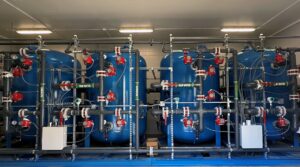

A water treatment system can work quietly in the background for years. You turn on the tap, fill a glass, take a shower, and get on with your day. It’s easy to forget that the equipment responsible for improving your water needs attention of its own. Then one day, the water pressure drops, mineral stains return to the bathroom, or the drinking water no longer tastes quite right. Suddenly, a system you rarely think about becomes impossible to ignore.
These changes don’t always mean you need a brand-new setup. Sometimes a filter replacement is enough. In other cases, a worn component needs attention, or the household has outgrown the system installed years ago. Understanding the difference between routine care, repairs, and upgrades can help you spend wisely while keeping your water treatment equipment dependable.
Recognizing When Your System Needs Attention
Water treatment systems often show signs of trouble gradually. A water softener may stop controlling hardness effectively, leaving spots on dishes and residue around faucets. A sediment filter may become clogged, reducing water flow. A reverse osmosis system might produce drinking water more slowly than usual because its filters are overdue for replacement or another component isn’t working correctly.
The trick is to notice changes before they become major inconveniences. Keep an eye on water pressure, taste, odor, and visible deposits. Listen for unfamiliar sounds from pumps or control valves, and look for damp areas around the equipment. None of these signs automatically identifies the cause, but they can tell you when further investigation is worthwhile.
It’s also important to distinguish between a treatment problem and a plumbing problem. If only one faucet has low pressure, the issue may be local to that fixture. If several taps are affected, a wider plumbing restriction or a treatment system problem could be involved.
When water quality changes unexpectedly, don’t rely on appearance alone to judge safety. Appropriate water testing can help identify contaminants or confirm whether the system is addressing the issue it was installed to treat.
Why Regular Maintenance Pays Off
Water treatment equipment contains components that wear down or become less effective with use. Filters capture particles, carbon media adsorbs certain compounds, and softeners require regeneration to continue removing hardness minerals. Each process depends on the system being maintained according to its design.
Following scheduled maintenance recommendations can help prevent avoidable breakdowns and make performance more consistent. Depending on the equipment, a service appointment might include replacing filters, inspecting seals, checking pressure, cleaning components, reviewing control settings, or confirming that automatic cycles are operating correctly.
The timing matters. Waiting too long to change a filter can restrict flow or reduce treatment effectiveness. Replacing components too early, on the other hand, may waste money when the parts are still performing properly. Manufacturer guidance provides a useful starting point, although actual water quality and household usage can affect how often service is needed.
A simple maintenance log makes life easier. Record installation dates, replacement intervals, service visits, and any problems you’ve noticed. If you have several pieces of equipment, keeping the information in one place helps you avoid missing an important task.
When Repairs Are the Right Solution
Not every malfunction calls for a replacement. A system that’s otherwise in good condition may need only a new valve, seal, pump component, or control part. In these cases, equipment repairs can restore performance without the cost of installing an entirely new system.
Common reasons to request professional attention include persistent leaks, unusual cycling, recurring error messages, inconsistent softening, and sudden changes in treated water flow. A technician can inspect the system, identify the likely cause, and explain which parts need attention.
Although some basic tasks are suitable for homeowners, internal repairs can be more complicated than they appear. Water treatment equipment may involve pressurized plumbing, electrical controls, and components that need precise adjustment. Taking a unit apart without understanding its design can cause further damage or create a safety risk.
Before approving a repair, ask for an explanation of the problem and an estimate of the cost. It may also help to ask whether replacement parts are readily available and whether the repair is likely to provide a reasonable period of reliable service. These questions aren’t difficult or confrontational; they’re simply part of making an informed decision.
Knowing When an Upgrade Makes Sense
Sometimes a system still operates, but it no longer meets the household’s needs. Perhaps the family has grown, water consumption has increased, or new testing has revealed a concern the existing equipment cannot address. An older system may also use components that are difficult to source or require increasingly frequent repairs.
In these situations, system upgrades may offer better long-term value than repeatedly fixing an unsuitable setup. An upgrade could mean replacing an outdated unit, increasing treatment capacity, adding a drinking water filtration stage, or improving the way several pieces of equipment work together.
However, bigger doesn’t automatically mean better. A system that’s too large or poorly matched to the water supply may add unnecessary costs without improving results. The best approach begins with understanding the incoming water and identifying the specific problem you want to solve.
For example, a household dealing mainly with hard water may benefit from an appropriately sized softener. A family concerned about a particular dissolved contaminant may need a different treatment technology, selected using reliable test results. A sediment filter alone won’t solve every water quality issue, just as a softener isn’t designed to remove every chemical or microorganism.
Ask potential installers to explain what their proposed equipment is designed to reduce, what performance you can reasonably expect, and what ongoing maintenance will cost.
Consider the Long-Term Cost, Not Just the Purchase Price
When comparing repair and replacement options, the initial price tells only part of the story. Consider replacement filters, salt or other consumables, service visits, energy use where applicable, and the expected availability of parts.
A less expensive unit may require frequent cartridge changes, while a more suitable system might cost more initially but fit the household’s water conditions and usage better. There isn’t a universal answer; the right choice depends on the equipment and the problem being addressed.
Water usage is worth considering, too. If a system struggles during busy mornings when several people shower or use the kitchen, its capacity and flow rating may need review. A professional can assess whether the equipment is undersized or whether another issue is limiting performance.
Look for clear product specifications and independently verified performance claims. Certifications from recognized organizations, such as NSF, can help consumers evaluate whether a product has been tested against relevant standards. Always check which specific contaminant or performance claim the certification covers.
Protect Your Investment After Installation
Whether you’ve repaired an older system or installed a new one, the next step is to understand how to look after it. Keep the owner’s manual, note the service schedule, and learn which warning lights or changes in operation require attention. Make sure everyone in the household knows where the equipment is located and whom to contact if a problem develops.
Periodic water testing may also be appropriate, particularly when the system is intended to reduce a specific contaminant or when your water comes from a private well. Equipment can appear to operate normally without proving that every treatment target is being met.
If you notice a sudden change in water quality that may indicate a health risk, follow advice from your water supplier or local public health authority while the cause is investigated.
Make Decisions With Confidence
Good water treatment isn’t simply a matter of buying equipment and hoping it lasts. It involves recognizing changes, maintaining components, repairing genuine faults, and upgrading when household needs or water conditions change.
With a little planning, these decisions become much less stressful. Pay attention to the early signs, keep useful records, and ask questions before committing to costly work. Most importantly, choose treatment based on reliable information rather than guesswork.
The goal is straightforward: a system that suits your home, performs the job it was designed to do, and remains manageable over the years. Sometimes that takes a small adjustment. Sometimes it means investing in new equipment. Either way, an informed decision is more likely to deliver dependable water and better value over time.