
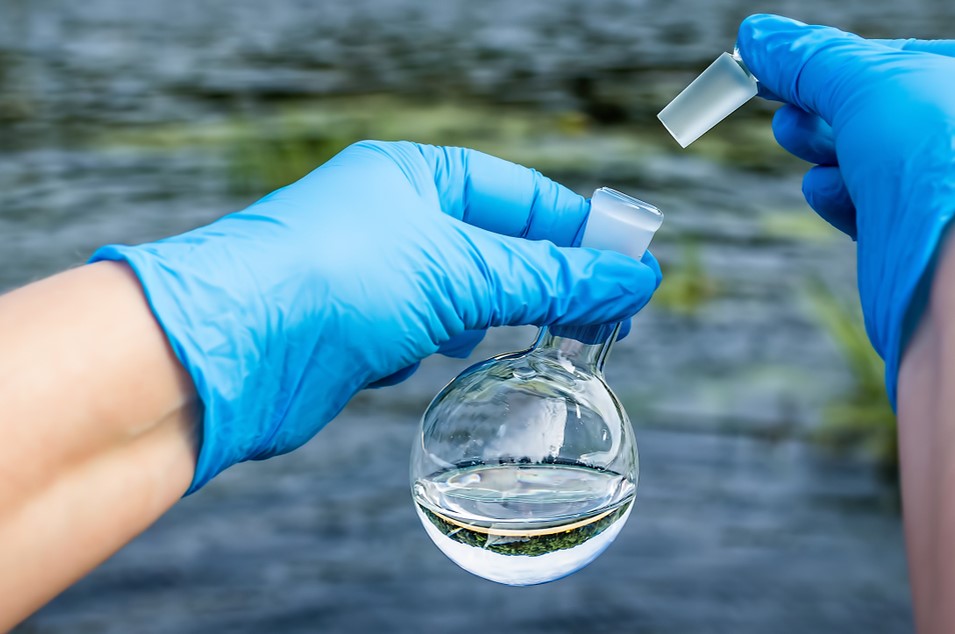
There’s something reassuring about having your own water source. If your home relies on a private well or borewell, you aren’t entirely dependent on a municipal supply, and water is available right where you need it. But that independence comes with a responsibility many homeowners underestimate: keeping an eye on what’s actually in the water.
Unlike public water systems, private wells generally don’t receive the same routine regulatory monitoring. The water may look clear, taste perfectly normal, and still contain substances that deserve attention. Natural minerals, agricultural runoff, damaged well structures, and nearby sanitation systems can all influence its quality.
The good news is that managing your water doesn’t have to become a complicated project. A little routine testing, some basic maintenance, and the right treatment when needed can make a real difference. It starts with understanding your water source rather than assuming that clear water is automatically safe.
Why Private Water Sources Need Attention
Groundwater moves through layers of soil and rock before reaching a well. Along the way, it can dissolve minerals such as calcium, magnesium, and iron. These are naturally occurring substances, but their concentrations vary considerably from one location to another.
Human activities can also affect groundwater. Poorly maintained septic systems, agricultural chemicals, leaking fuel tanks, and nearby industrial operations may introduce contaminants under certain conditions. Heavy rainfall and flooding can create additional risks by allowing contaminated surface water to enter a vulnerable well.
These are common well-water concerns, but they don’t mean every private water source is unsafe. Many wells provide suitable water for years. The important point is that conditions can change, and assumptions aren’t a substitute for checking.
Start by learning how your well is constructed, where its casing and cover are located, and whether surface water can drain towards it. Keep potential sources of contamination away from the wellhead and arrange inspections if the structure is damaged or showing signs of deterioration.
Water That Looks Clean May Still Need Testing
One of the biggest mistakes people make is judging water quality by appearance alone. Clear water is certainly preferable to water containing visible dirt, but clarity doesn’t reveal everything.
Certain bacteria, nitrates, and dissolved metals may be present without creating an obvious change in taste, smell, or colour. Depending on local geology and land use, groundwater may also contain substances that require specific laboratory analysis.
A routine water test can help identify potential problems before they become more serious. The appropriate testing schedule depends on local guidance, the type of well, previous results, and nearby environmental risks.
Common checks may include microbial indicators such as E. coli and total coliform bacteria, along with nitrate and locally relevant chemical contaminants. In some regions, testing for arsenic, fluoride, iron, or other naturally occurring substances may also be advisable.
Don’t assume that one test covers everything. A basic screening panel may be useful, but it won’t necessarily detect every contaminant. Contact a qualified laboratory or local public-health authority to find out which tests are appropriate for your water source.
It’s also sensible to test after flooding, repairs to the well, changes in nearby land use, or any unexplained shift in water quality.
Understanding Hardness, Iron, and Unusual Smells
Some water problems are noticeable long before you receive a laboratory report. White deposits on taps, orange stains in sinks, and unpleasant smells can all offer clues about what’s happening underground or inside your plumbing.
Hard water contains elevated levels of calcium and magnesium. It can leave mineral deposits on showerheads, make soap less effective, and contribute to scale buildup in kettles and water heaters. Although hardness is generally more of a household nuisance than a health hazard, severe scaling can affect appliance performance.
Iron may create reddish-brown stains on laundry, bathroom fixtures, and storage containers. In some cases, manganese contributes to dark staining. Testing helps distinguish these issues from corrosion or other causes of discolouration.
A rotten-egg smell may indicate hydrogen sulfide, although the source needs to be investigated rather than guessed. Sometimes the odour originates in the plumbing or water heater instead of the well itself.
Treatment should match the problem. A water softener can reduce hardness, while specialised filtration or oxidation systems may help manage iron and hydrogen sulfide. A sediment filter can capture certain particles, but it won’t remove every dissolved substance.
If the water suddenly changes colour or smell, investigate before installing equipment. The symptoms are clues, not a complete diagnosis.
Choosing a Treatment System That Makes Sense
Walk into the water-treatment market and you’ll find plenty of products promising cleaner, fresher, healthier water. Some are genuinely useful, but the best option depends on your test results and the performance of the equipment.
Activated carbon filters can reduce chlorine and certain organic compounds. Reverse osmosis systems can reduce many dissolved substances, depending on their design and certification. Ultraviolet systems can inactivate many harmful microorganisms when properly installed and maintained, but they don’t remove dissolved chemicals or metals.
In some homes, several treatment stages may be necessary. A sediment pre-filter, for instance, may protect downstream equipment, while a separate system addresses a specific dissolved contaminant. However, adding more filters doesn’t automatically produce safer water.
Check whether a product has independent certification for the substance you need to reduce. Ask about installation, replacement parts, servicing costs, and the manufacturer’s maintenance instructions.
If laboratory results indicate microbial contamination, follow public-health advice about safe water use while the problem is addressed. Boiling may be recommended for certain biological risks, but it does not remove chemical contaminants and may concentrate some dissolved substances. The right response depends on what’s present.
Maintaining Your Well Between Tests
A well isn’t something you install and forget. Routine checks can help prevent avoidable problems and identify damage before it becomes a larger issue.
Keep the well cover secure and the surrounding area clear of rubbish, standing water, and potential contaminants. Make sure surface drainage flows away from the wellhead. Have damaged casing, faulty covers, or plumbing defects inspected by a qualified professional.
If you use a storage tank, clean and maintain it according to local recommendations. Contamination can occur after groundwater has been pumped, so protecting the well alone may not be enough.
Keep records of laboratory results, repairs, and treatment-system maintenance. When results change over time, those records can help identify patterns and guide the next steps.
A Practical Approach to Safer Water
Private wells offer convenience and independence, but they also place more responsibility on the household. The most effective way to manage that responsibility is to replace guesswork with regular checks and informed decisions.
Understand your local risks, test the water using a qualified laboratory, and choose treatment based on verified results. Maintain the well structure, look out for sudden changes, and follow local health guidance when a problem is identified.
You don’t need the most expensive filtration system or a complicated maintenance routine to get started. What matters is knowing your water source, responding to evidence, and staying consistent. Those simple habits can help protect your household and provide greater confidence in the water you use every day.