Rainwater has a funny way of finding places where it doesn’t belong. A small leak along the roofline, an overflowing gutter, or a downspout that empties too close to the house can gradually create problems that nobody anticipated.
Most homeowners don’t think much about their gutters until something goes wrong. It’s understandable. There are plenty of other household responsibilities competing for attention, and drainage systems usually work quietly in the background.
For Minnesota homeowners, however, keeping gutters in good condition is particularly important. Between heavy summer thunderstorms, falling autumn leaves, and melting winter snow, residential drainage systems face considerable demands throughout the year.
Choosing suitable gutters and maintaining them regularly can help protect your property without turning exterior upkeep into a constant struggle.
What Makes Seamless Gutters Worth Considering?
Traditional gutters are assembled from individual sections connected by joints. While this design can work effectively, those connections may develop leaks as materials age or shift.
Seamless gutters take a different approach.
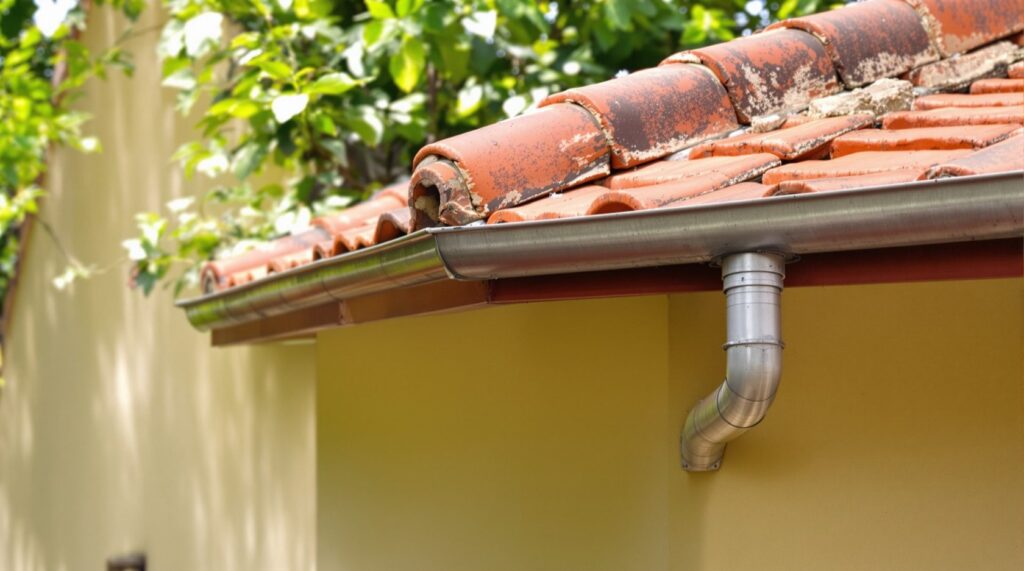
Professional seamless gutter system installation typically involves creating continuous gutter sections that fit the specific dimensions of your home’s roofline.
With fewer joints along straight runs, there are fewer potential leakage points. The finished appearance can also look cleaner and more consistent, particularly on properties with distinctive architectural features.
Aluminum is a commonly used material because it’s relatively lightweight, corrosion-resistant, and available in numerous colors.
Of course, seamless designs still require proper installation and maintenance. Corners, outlets, and end caps remain potential areas of concern.
Their biggest advantage lies in reducing unnecessary connections while providing a customized fit.
Why Proper Drainage Matters More Than You Realize
Imagine how much water flows off your roof during a particularly heavy thunderstorm. Without a dependable drainage arrangement, that runoff could end up collecting around your foundation or repeatedly splashing against exterior walls.
Over time, excessive moisture exposure may contribute to deteriorating siding, soil erosion, and damp basement conditions.
Even beautifully maintained landscaping can suffer when uncontrolled water washes away mulch and damages plants.
Properly positioned gutters and downspouts help manage these concerns by directing runoff toward suitable drainage locations.
It’s worth examining where your downspouts actually discharge water. If they empty directly beside your foundation, extensions or other drainage improvements may be necessary.
Sometimes, correcting a relatively simple drainage problem can make a surprisingly noticeable difference.
Keeping Your Gutters in Good Shape Throughout the Year
Gutters might not require daily attention, but completely forgetting about them isn’t a great strategy either.
Regular roof gutter maintenance provides opportunities to identify loose attachments, leaking joints, damaged fascia, and drainage problems before they become more complicated.
During rainfall, observe your gutters from a safe location. Water overflowing in one particular area may indicate a blockage, insufficient drainage capacity, or an alignment problem.
Sagging sections deserve attention as well. Accumulated debris or deteriorating attachment points can place unnecessary pressure on the system.
A seasonal inspection can help uncover these issues while repairs are still relatively manageable.
Nobody particularly enjoys spending money on unexpected exterior repairs. A little preventive care can help reduce that possibility.
Dealing With Leaves, Twigs, and Other Unwanted Debris
There’s no denying that Minnesota’s autumn scenery is beautiful. Unfortunately, many of those colorful leaves eventually collect inside residential gutters.
When debris accumulates, rainwater may struggle to reach the downspouts. The resulting overflow can create problems around roof edges, siding, and foundation walls.
Scheduling routine house gutter cleaning helps remove accumulated leaves, twigs, and sediment that could interfere with water movement.
Homes surrounded by mature trees may need more frequent cleaning than properties in open areas.
Gutter guards can help limit certain types of debris accumulation, but they’re not completely maintenance-free. Smaller particles may still enter the system, depending on the guard design.
For elevated or difficult-to-access rooflines, professional cleaning is generally safer than attempting the work yourself.
Preparing Your Drainage System for Minnesota Winters
Winter introduces challenges that go beyond ordinary rainfall.
Snow accumulation and freezing temperatures can place additional stress on gutters and their attachments. Repeated melting and freezing may also contribute to ice buildup around the roofline.
Ice dams often develop when heat escaping from the house melts rooftop snow, which then refreezes near colder roof edges.
Although gutters aren’t the primary cause of ice dams, accumulated ice can complicate drainage and place additional weight on exterior components.
Before winter arrives, consider arranging necessary repairs, removing debris, and checking downspout connections.
If ice dams occur regularly, investigating attic insulation and air sealing may help address underlying causes.
When Should You Consider Replacing Your Gutters?
Not every damaged gutter needs complete replacement. A loose bracket or leaking connection may require only a straightforward repair.
However, widespread corrosion, recurring leaks, and multiple sagging sections could indicate that the existing system is approaching the end of its useful life.
When comparing replacement options, consider material durability, drainage capacity, installation quality, and future maintenance requirements.
Request detailed estimates and ask contractors about warranty coverage and fastening methods.
The cheapest installation isn’t necessarily the most economical choice over several years.
A Small Exterior Investment With Lasting Value
Gutters rarely receive compliments, and perhaps that’s a good thing. When they’re working properly, there’s little reason to notice them.
With appropriately designed drainage, timely cleaning, and sensible seasonal maintenance, homeowners can reduce certain preventable moisture-related problems.
Your home deserves protection that extends beyond attractive roofing and fresh siding. Sometimes, the simplest exterior features provide some of the most practical benefits.
And when the next Minnesota thunderstorm rolls through, there’s genuine satisfaction in watching rainwater flow exactly where it’s supposed to go—away from the place you call home.