There are certain household annoyances that become so familiar we stop questioning them. White spots on freshly washed glasses. Soap that refuses to lather. Towels that feel a little stiff no matter how much fabric softener you use. Even the shower door seems to collect cloudy stains faster than you’d expect. It’s easy to shrug these things off as normal.
But often, they’re all connected by one quiet culprit: hard water.
Millions of homes deal with hard water every day, yet many homeowners don’t realize just how much it influences their plumbing, appliances, cleaning routines, and even personal comfort. It’s not necessarily unsafe to drink, but living with hard water can slowly become expensive, frustrating, and surprisingly time-consuming.
The good news? Once you understand what’s happening behind the scenes, improving your home’s water becomes much easier than most people imagine.
Understanding What Makes Water “Hard”
Water naturally travels through layers of soil, limestone, chalk, and rock before it reaches homes. Along the way, it picks up minerals—primarily calcium and magnesium. These minerals are completely natural, but when their concentration becomes high enough, the water is considered “hard.”
Unlike contamination, hard water isn’t usually a health concern. In fact, those minerals can even contribute small amounts of calcium and magnesium to your diet. The real challenge begins inside your plumbing system and throughout your home.
Every time hard water is heated or evaporates, tiny mineral deposits remain behind. Day after day, year after year, those deposits gradually build up inside pipes, faucets, water heaters, coffee makers, dishwashers, and washing machines.
The effects aren’t dramatic overnight—but they’re remarkably consistent.
The Everyday Cost of Mineral Buildup
Hard water has a funny way of making ordinary tasks slightly more difficult.
Laundry often requires extra detergent. Shampoo takes longer to rinse away. Dishes emerge from the dishwasher with cloudy spots that seem impossible to polish away. Soap scum collects faster in tubs and sinks, meaning more scrubbing and stronger cleaning products.
Meanwhile, the hidden costs continue behind walls and beneath floors.
Mineral scaling narrows plumbing pipes over time, forcing water heaters and household appliances to work harder than they should. That extra effort translates into higher energy use, increased maintenance, and shorter equipment lifespans.
Many homeowners don’t connect these ongoing expenses to their water because the changes happen so gradually.
Why Many Families Choose water softeners
When homeowners finally decide to address hard water, water softeners are often the first solution they explore.
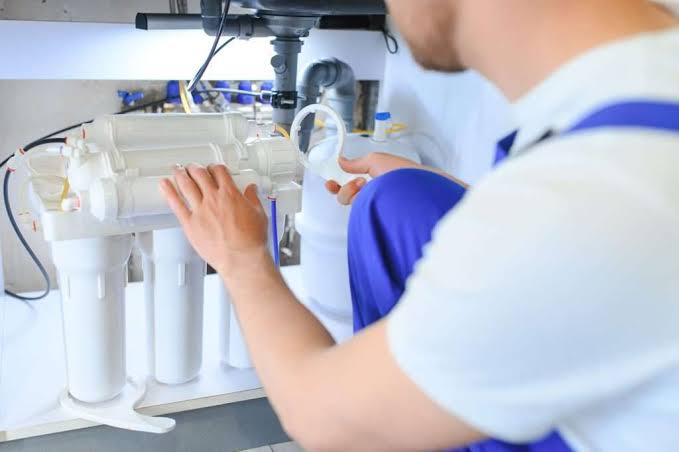
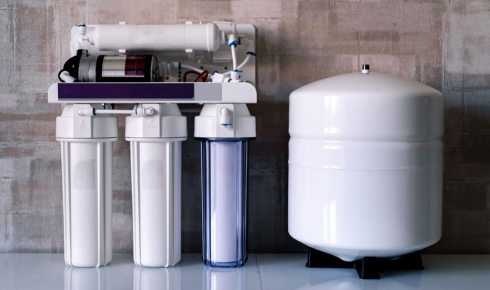
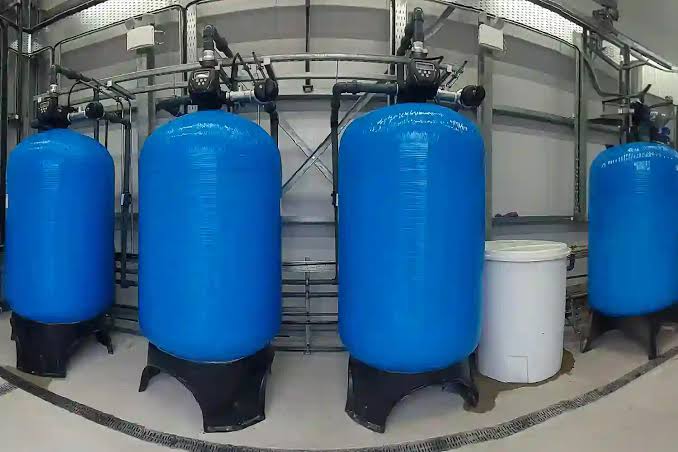
These systems work by removing or significantly reducing calcium and magnesium before the water travels throughout the home. Instead of allowing those minerals to settle inside plumbing and appliances, the treatment process exchanges them for sodium or potassium ions.
The difference isn’t always dramatic on the first day. Instead, it’s something people begin noticing over several weeks.
Soap lathers more easily. Hair feels smoother after washing. Dishes dry cleaner with fewer spots. Shower walls stay cleaner longer, and mineral crust around faucets slowly becomes a thing of the past.
Perhaps even more valuable are the changes homeowners don’t immediately see—reduced scale inside plumbing, improved appliance efficiency, and less wear on expensive equipment.
Not Every Home Needs the Same Treatment
One of the biggest misconceptions about water improvement is that every house requires identical equipment.
That’s rarely true.
Some homes experience extremely hard water that affects nearly every fixture. Others deal with moderate mineral levels but also have iron, manganese, sulfur odors, or sediment entering from private wells.
Because every water supply is unique, professionals often recommend testing before purchasing equipment. Understanding the exact mineral content makes it much easier to select water conditioning systems that match the home’s actual needs instead of relying on guesswork.
Sometimes a basic softener is sufficient. Other situations may benefit from filtration, iron removal, or additional treatment stages working together.
Choosing the right combination from the beginning often saves money and delivers better long-term performance.
Small Improvements That Change Daily Life
People often expect water treatment to produce dramatic, instant results.
Reality is usually quieter—and that’s actually a good thing.
Over time, showers become easier to clean. Less detergent is needed for laundry. Coffee makers continue working efficiently without frequent descaling. Water heaters maintain performance because mineral buildup slows dramatically.
Many families also notice personal comfort improvements.
Skin often feels less dry after bathing, especially during colder months. Hair becomes easier to manage, and soap rinses away without leaving behind that familiar slippery residue many hard water users know so well.
None of these changes transform life overnight, but together they create a noticeably more comfortable home.
Looking Beyond Quick Fixes
Walk through any home improvement store, and you’ll find countless products promising cleaner faucets or easier stain removal.
While those products can temporarily manage mineral deposits, they don’t address the source of the problem.
That’s why many homeowners eventually begin researching long-term hard water solutions instead of repeatedly buying cleaners designed to battle scale buildup after it appears.
Treating water before it enters the home’s plumbing protects everything downstream—from expensive appliances to everyday fixtures. Rather than constantly removing mineral deposits, homeowners prevent much of that buildup from occurring in the first place.
It’s a proactive approach instead of a reactive one.
Water Quality Is an Investment in Your Home
We often think about protecting our homes by maintaining roofs, replacing HVAC filters, sealing windows, or servicing heating systems.
Water deserves that same attention.
Every gallon flowing through your pipes touches countless parts of your home. It fills your washing machine, runs through your dishwasher, heats inside your water heater, and flows through every faucet multiple times each day.
Improving that water isn’t simply about convenience. It’s also about protecting equipment that represents thousands of dollars in household investments.
The longer appliances operate efficiently, the less homeowners spend on repairs and premature replacements.
Better Water Brings Lasting Peace of Mind
Hard water rarely announces itself with a major plumbing emergency. Instead, it quietly leaves its mark through slower appliances, stubborn cleaning jobs, fading fixtures, and growing maintenance costs.
Taking the time to understand your home’s water can change that entire experience.
Whether your goal is protecting plumbing, extending appliance life, improving everyday cleaning, or simply making showers feel more enjoyable, addressing hard water offers benefits that continue year after year.
Sometimes the biggest improvements inside a home aren’t the ones guests immediately notice. They’re the small daily comforts that quietly make life easier—clearer dishes, softer laundry, efficient appliances, and water that simply works the way it should.
And honestly, that’s something every homeowner can appreciate.