Category: Health

  • Weight Loss Drugs for Children: What Parents Need to Know

    Weight Loss Drugs for Children: What Parents Need to Know

    The rising rates of childhood obesity have prompted many families to seek solutions beyond traditional diet and exercise. As a result, interest in Weight Loss Drugs for Children has grown in recent years. While these medications may offer benefits in certain cases, they are not a one-size-fits-all solution. Understanding how these drugs work, when they are appropriate, and what risks they carry is essential for making informed decisions about your child’s health.

    The Growing Concern of Childhood Obesity

    Childhood obesity is a serious public health issue affecting millions of children worldwide. It increases the risk of developing chronic health conditions such as type 2 diabetes, high blood pressure, heart disease, and even certain cancers later in life. In severe cases where lifestyle changes have not been effective, pediatricians may consider medical interventions, including weight loss medications, as part of a comprehensive treatment plan.

    What Are Weight Loss Drugs?

    Weight loss drugs, also known as anti-obesity medications, are designed to help individuals lose weight by altering appetite, reducing fat absorption, or increasing feelings of fullness. These drugs are usually prescribed for adults, but in recent years, some medications have been approved for use in adolescents under strict medical supervision.

    Examples of weight loss drugs that may be used for children and teens include:

    • Orlistat (Xenical): Approved for children aged 12 and older, it works by blocking fat absorption in the digestive tract.
    • Phentermine/topiramate (Qsymia): Used off-label in some cases, but not officially approved for pediatric use.
    • GLP-1 agonists (such as semaglutide, brand name Wegovy): Recently approved for adolescents aged 12 and older in some countries.

    When Are Weight Loss Drugs Appropriate for Children?

    Doctors typically consider weight loss medications for children who:

    • Are severely obese (BMI above the 95th percentile for age and sex)
    • Have weight-related health conditions like type 2 diabetes or sleep apnea
    • Have not had success with traditional lifestyle interventions like diet and physical activity

    Before prescribing any medication, healthcare providers conduct a thorough evaluation of the child’s health history, eating habits, physical activity levels, and mental well-being.

    Benefits and Risks

    When used appropriately and under medical supervision, pediatric weight loss medications can help reduce body weight and improve obesity-related health conditions. However, these medications are not a magic fix. They must be combined with long-term lifestyle changes, including proper nutrition and regular exercise, to be truly effective.

    Possible side effects include:

    • Digestive issues such as nausea, diarrhea, or constipation
    • Increased heart rate or blood pressure
    • Mood changes or anxiety
    • Nutrient deficiencies due to decreased fat absorption

    Additionally, long-term effects of these drugs on growing bodies are still being studied. That’s why careful monitoring by a pediatrician or specialist is essential during treatment.

    Lifestyle Changes Come First

    Even when medications are prescribed, lifestyle modifications remain the foundation of effective weight management. Families should prioritize:

    • Healthy, balanced meals rich in whole foods
    • Limiting sugary beverages and processed snacks
    • Regular physical activity tailored to the child’s age and interests
    • Adequate sleep and stress management

    Support from parents, schools, and communities plays a crucial role in helping children make and maintain these changes.

    The Role of Healthcare Providers

    Parents should never give their children weight loss medications without professional guidance. Doctors, pediatricians, and pediatric endocrinologists are trained to evaluate whether a child is a good candidate for these drugs and to monitor progress and side effects. It’s also important to address any emotional or psychological challenges that may be contributing to unhealthy eating habits.

    Conclusion

    Weight loss drugs for children can be a helpful part of treatment in specific, carefully evaluated cases of severe obesity. However, they are not a substitute for healthy habits. Parents should work closely with healthcare professionals to create a personalized, holistic plan for their child’s long-term well-being. With the right support and strategies, children can achieve a healthier lifestyle and reduce their risk of serious health complications in the future.

  • Unlocking Better Health with Modern Posture Analysis Tools

    Unlocking Better Health with Modern Posture Analysis Tools

    In today’s fast-paced world, poor posture is more common than ever. Whether you’re spending long hours at a desk or glued to a smartphone, it’s easy to develop habits that harm your alignment and health. Thankfully, modern posture assessment tools are here to help identify and correct these issues before they lead to long-term pain or injury.

    These tools are designed to evaluate the alignment of the spine, shoulders, hips, and other key areas of the body. Using precise measurements and real-time feedback, professionals such as physiotherapists, chiropractors, and fitness trainers can accurately assess a person’s posture and recommend targeted interventions. The traditional “eyeballing” method has now been replaced with more advanced, objective technologies.

    One major breakthrough in this field is the advent of posture analysis software. These digital platforms capture and analyze postural data using images or video input. Some software can even map the body in 2D or 3D formats, providing detailed information about deviations from ideal posture. The insights gained allow health professionals to track progress over time, highlight problem areas, and tailor rehabilitation or exercise plans with pinpoint accuracy.

    In fact, posture assessment software takes things one step further. Many solutions today are cloud-based and compatible with mobile devices, making them incredibly convenient for both practitioners and patients. Users can perform assessments in real time and access data remotely, which is especially useful for telehealth consultations or when monitoring patients across different locations. This versatility makes such software ideal not only for clinics but also for gyms, wellness centres, and occupational health settings.

    A growing trend in the industry is the use of 3D posture analysis. Unlike traditional assessments, which rely on front and side views, 3D analysis provides a full, multi-dimensional view of the body. This immersive experience offers unparalleled accuracy and visual representation, allowing both practitioners and clients to clearly understand their postural imbalances. It’s particularly beneficial for athletes and individuals recovering from injury, as it helps guide more effective treatment plans.

    Adding even more precision to posture evaluations is the posture analysis machine. These sophisticated devices often combine sensors, cameras, and software to deliver real-time measurements. Some machines are equipped with force plates and motion detectors, which assess weight distribution and movement patterns. The result is a comprehensive, data-rich report that’s far superior to traditional methods.

    In conclusion, investing in modern posture technology is no longer a luxury—it’s a necessity. Whether you’re a healthcare professional or an individual aiming to improve your health, these tools provide the insights and precision needed for real improvement. Don’t let bad posture hold you back—use today’s innovative solutions to stand taller and live better.

  • How to Choose the Right Personal Injury Attorney for Your Needs

    How to Choose the Right Personal Injury Attorney for Your Needs

    Experiencing a personal injury can be overwhelming. On top of the emotional and physical toll, navigating the legal complexities makes the situation all the more challenging. Choosing the right personal injury attorney can make a significant difference in achieving the best possible outcome for your case. This blog is a guide to help you find a reliable advocate who will support you every step of the way.

    Why Picking the Right Attorney Matters

    Your selected attorney becomes your strongest ally in seeking justice. A skilled personal injury attorney will not only provide expert legal representation but also help you maximize compensation, manage insurance company negotiations, and ensure your rights are protected.

    Without an experienced attorney, you risk missed opportunities or poor outcomes, particularly if insurance companies take advantage of the situation. A strong advocate, however, ensures you are taken seriously and treated fairly.

    Key Qualities to Look For in a Personal Injury Attorney

    Not all attorneys are created equal. Prioritize the following traits when making your decision:

    Expertise in Personal Injury Law

    Choose an attorney who specializes in personal injury cases to ensure they have the expertise needed to navigate complex legal processes, calculate compensation accurately, and anticipate opposing strategies. Firms with a dedicated focus, like Hoffman Legal Group, LLC, are more equipped to deliver the detailed attention your case deserves, unlike generalists who may lack the same level of precision and experience.

    Track Record of Success

    Experience working on cases similar to yours can indicate whether an attorney has a history of obtaining favorable outcomes. Research past verdicts and settlements, and don’t hesitate to ask directly about their results in handling cases like yours.

    Communication and Accessibility

    A strong attorney should prioritize communication. You want someone who responds promptly to your questions, keeps you informed about progress, and breaks down complex legal jargon into understandable terms. Accessibility is vital, so think twice about hiring someone who seems distant or too busy to prioritize your case.

    Trial Readiness

    Most personal injury claims are settled out of court, but sometimes litigation is unavoidable. Choose an attorney who is not only comfortable but highly skilled in trial proceedings. Their willingness to take your case to court if needed can often strengthen your negotiating power with insurance companies.

    Transparency About Fees

    Understanding how your attorney charges for their services avoids unpleasant surprises later. Many personal injury attorneys work on a contingency fee basis, meaning they only get paid if you win the case. Verify the percentage they will take and request clarity about additional potential costs to ensure full transparency.

    Steps to Narrow Down Your Options

    The decision to hire a personal injury attorney should be thoughtful and meticulous. Follow these steps to find the right fit:

    Step 1: Begin with Research

    Start by seeking referrals from friends, family, or colleagues who have had positive experiences with personal injury lawyers. Alternatively, consult online directories or legal referral services for highly rated professionals in your area.

    Step 2: Read Reviews and Testimonials

    Once you have a list of potential attorneys, explore public reviews and client testimonials. They provide insights into the attorney’s service quality, client satisfaction, and success in managing cases similar to yours.

    Step 3: Conduct Initial Consultations

    Most personal injury attorneys offer free consultations, an opportunity to assess compatibility before making a commitment. During these consultations, evaluate their approach, expertise, and whether their communication style aligns with your expectations.

    Step 4: Assess Their Case Strategy

    Ask how they plan to handle your case, including their approach to negotiation and litigation if necessary. Understanding their strategy helps build your confidence in their ability to achieve a positive outcome.

    Step 5: Verify Credentials

    Check their licensing status and membership in professional organizations like the American Bar Association or state bar associations. Memberships in such organizations often reflect adherence to high professional standards.

    Step 6: Trust Your Instincts

    Finally, choose an attorney who makes you feel comfortable, valued, and heard. Trust and rapport are essential as you’ll be working closely with them throughout the legal process.

    Red Flags to Avoid

    While searching for a qualified attorney, beware of these red flags:

    • Exorbitant Promises: Be cautious of anyone guaranteeing a specific outcome or large settlement before thoroughly assessing your case.
    • Lack of Experience: An attorney without experience in personal injury law could compromise your case.
    • Poor Communication: Delays or evasiveness during the evaluation process might indicate poor client service.
    • No References: Hesitation to provide references or verifiable success stories is a potential warning sign.

    How a Good Attorney Enhances Your Case

    A qualified personal injury attorney brings order to complexity. They handle critical aspects such as evidence collection, understanding the statute of limitations, and assessing damages. They also represent you in negotiations or court, ensuring you receive the compensation and justice you deserve.

    Whether you’ve experienced a car accident, slip and fall, medical malpractice, or workplace injury, partnering with the right personal injury attorney equips you with knowledge, confidence, and peace of mind throughout the legal process.

    Take Your Time, Make the Right Choice

    Hiring the right personal injury attorney is a significant decision that can impact your future and financial security. By carefully assessing their experience, communication, and professional approach, you ensure your case is in capable hands. Trust your instincts, ask questions, and don’t hesitate to seek clarification until you feel confident in your choice.


  • The Importance of Maintaining Dental Health

    The Importance of Maintaining Dental Health

    Dental health is about more than just a bright smile. A well-maintained oral hygiene routine plays a vital role in overall well-being, impacting physical health, mental confidence, and even social interactions. Neglecting this aspect of self-care can lead to consequences far beyond cavities or bad breath. This blog will explore how proper dental care influences your health and provide insights into why a proactive approach is essential.

    How Oral Health Contributes to Physical Well-being

    A Gateway to the Overall Body

    Your mouth serves as the entry point to your body’s internal systems. Harmful bacteria, if left unchecked, can travel from the oral cavity into the bloodstream. This can lead to infections that affect organs like the heart and lungs. Gum disease has even been linked to increased risks of cardiovascular complications. Healthy teeth and gums not only enable you to eat nutritious foods but also act as a protective barrier against pathogens.

    Digestive Health Starts with Your Teeth

    Proper chewing is essential for digestion. Well-maintained teeth allow food to be broken down effectively, which aids the digestive process. Poor dental health can make chewing painful or inefficient, leading to issues ranging from undernutrition to digestive discomfort.

    Prevention of Chronic Diseases

    There is a strong connection between oral health and chronic diseases like diabetes. Gum disease can exacerbate blood sugar instability, creating a loop where poor dental care and diabetes worsen each other. By addressing gum health, individuals with diabetes can improve their overall management of the condition.

    Mental and Social Benefits of Healthy Teeth

    Building Confidence through a Smile

    A confident smile often begins with clean, well-cared-for teeth. For many, the appearance of their teeth impacts self-esteem. Yellowing, stains, or missing teeth can make social interactions uncomfortable, whereas a clean and healthy smile fosters self-assurance and encourages positive interactions.

    Preventing the Mental Toll of Dental Issues

    Dental pain, constant discomfort, or bad breath can lead to stress, anxiety, or even depression. People suffering from untreated oral issues often avoid eating, speaking, or smiling in public to avoid embarrassment. Prioritizing dental care eliminates these challenges, boosting one’s mental and emotional health.

    Key Practices to Maintain Optimal Dental Health

    Daily Practices to Protect Your Smile

    The foundation of good dental care lies in a consistent, effective routine. This should include brushing twice daily using fluoride toothpaste and a toothbrush with soft bristles. Flossing removes debris and plaque from areas that brushing alone cannot reach, while mouthwash provides an added layer of cleanliness by reducing bacteria.

    Scheduling Regular Check-Ups

    Regular dental checkups play a crucial role in catching potential issues early, such as cavities, gum disease, or tartar buildup. Professional cleanings help target those hard-to-reach areas, ensuring a healthier smile. With expert care available at practices like Lincoln Dental Arts, it’s easier than ever to stay on top of your oral health and prevent small problems from becoming major concerns.

    Maintaining a Balanced Diet

    The foods you eat directly impact your oral health. Sugary snacks and acidic beverages weaken enamel and contribute to cavities. Opt for foods rich in calcium, like dairy products, leafy greens, and nuts, to strengthen your teeth. Hydration also plays a crucial role, as saliva helps wash away food particles and neutralize harmful acids.

    The Risks of Ignoring Dental Health

    Failing to maintain proper dental hygiene can lead to a range of complications. Cavities, while easily preventable, can escalate into more significant concerns like root canal infections or tooth loss if untreated. Gum disease, which begins as gingivitis, can progress to periodontal disease, which has long-term impacts on bone health and even the structure of the jaw. Additionally, untreated bacterial infections can lead to severe complications such as abscesses or systemic infections.

    On a broader scale, the financial cost of neglecting dental care can be substantial. Preventive visits and minor treatments are far less expensive than emergency procedures required to address advanced issues.

    Proactive Steps for Lifelong Oral Health

    Committing to dental care isn’t just about reacting to issues; it involves cultivating habits that ensure lifelong health. Teaching children to brush and floss early sets them on a positive path while encouraging adults to incorporate dental habits into their daily schedules promotes lasting well-being.

    For those unsure where to start, building familiarity and comfort with a trusted dentist can make a significant difference. Professional advice and support ensure that dental care becomes an integral part of your overall wellness routine.

    Elevate Your Health by Elevating Your Dental Care

    Dental health is often underestimated, yet it forms the foundation for a healthy, confident, and fulfilling life. From reducing risks of chronic diseases to improving mental health and social confidence, the benefits extend far beyond a beautiful smile. Maintaining a proper oral hygiene routine and prioritizing regular dental visits are investments in your future well-being.

    If it’s been a while since your last check-up or if you’re ready to elevate your dental care routine, consider consulting a dental professional today. The path to better health truly begins with your teeth.


  • How Inpatient Eating Disorder Treatment Can Help You Achieve Long-Term Recovery

    How Inpatient Eating Disorder Treatment Can Help You Achieve Long-Term Recovery

    Eating disorders are serious mental health conditions that affect individuals physically, emotionally, and socially. They can manifest in various forms, such as anorexia nervosa, bulimia nervosa, and binge eating disorder. Recovery from these conditions is challenging but possible, and inpatient eating disorder treatment offers a structured, supportive environment that can be crucial in achieving long-term recovery. In this article, we will explore how inpatient treatment can provide the necessary tools and care to support individuals in their journey to lasting health.

    What is Inpatient Eating Disorder Treatment?

    Inpatient eating disorder treatment involves a residential care program where individuals stay at a facility for an extended period. This type of treatment is typically recommended for those who have severe eating disorders that require intensive care and monitoring. Patients live in the facility while receiving round-the-clock support from a multidisciplinary team, including therapists, dietitians, doctors, and psychiatric professionals.

    Inpatient programs provide a safe, controlled environment where patients can focus entirely on their recovery, free from the triggers and distractions of daily life. These programs usually include therapy, medical care, nutritional support, and family involvement, all tailored to the individual’s unique needs.

    Comprehensive Treatment for the Whole Person

    One of the primary benefits of inpatient eating disorder treatment is its holistic approach to care. Eating disorders are complex and often stem from underlying emotional, psychological, and social issues. Inpatient programs address not only the physical aspects of recovery but also the mental and emotional struggles that fuel disordered eating behaviors.

    Therapy and Counseling

    Therapy is a core component of inpatient treatment. Cognitive-behavioral therapy (CBT) and dialectical behavior therapy (DBT) are commonly used to help patients identify and challenge negative thought patterns and behaviors related to food, body image, and self-worth. These therapeutic approaches teach patients healthier coping mechanisms and help them rebuild a positive relationship with food.

    Family therapy is also often incorporated into inpatient treatment. Eating disorders can impact family dynamics, and involving loved ones in the recovery process can promote better communication and understanding. Family therapy helps individuals and their families work through issues that may contribute to the eating disorder, fostering a supportive home environment upon discharge.

    Medical and Nutritional Care

    Inpatient eating disorder treatment ensures that patients receive comprehensive medical care, including regular health assessments and monitoring of vital signs. Medical professionals are on hand to address any immediate health risks, such as malnutrition, dehydration, or electrolyte imbalances, which are common in those with eating disorders.

    Nutritional support is equally important. Dietitians work with patients to develop personalized meal plans that focus on restoring healthy eating habits and addressing nutritional deficiencies. They also teach patients how to develop a balanced approach to food, helping them move beyond restrictive eating or bingeing behaviors.

    24/7 Support and Monitoring

    One of the most critical aspects of inpatient eating disorder treatment is the level of support and monitoring patients receive. The residential setting provides constant supervision, which is particularly beneficial for those who may struggle with self-harm or other dangerous behaviors associated with eating disorders. This level of care ensures that individuals receive immediate intervention if necessary, significantly reducing the risk of relapse.

    Being in a structured environment where meals are scheduled and supervised also helps patients break free from the harmful cycles of disordered eating. It provides them with the space to focus on healing and to learn new, healthier behaviors that they can carry with them once they transition back to daily life.

    Building Healthy Habits for Long-Term Success

    The ultimate goal of inpatient eating disorder treatment is not just to achieve short-term stabilization but to equip individuals with the tools and skills needed for long-term recovery. Through therapy, patients gain insight into the root causes of their eating disorder and learn how to manage triggers, emotional stress, and other factors that may lead to relapse.

    Additionally, inpatient treatment offers opportunities for patients to practice self-care, build resilience, and establish a strong support network. These elements are essential for maintaining progress once the individual leaves the inpatient setting. Aftercare programs, such as outpatient therapy and support groups, are often recommended to continue the healing process and ensure that patients stay on track in their recovery journey.

    Conclusion

    Inpatient eating disorder treatment offers an intensive, compassionate approach to addressing the complex nature of eating disorders. By providing comprehensive medical, therapeutic, and nutritional care in a structured environment, inpatient treatment helps individuals build the skills, insights, and support systems necessary for long-term recovery. While the path to recovery can be difficult, inpatient care provides a crucial foundation that enables individuals to achieve lasting well-being and reclaim their lives.

  • Understanding Weight-Loss Surgery: Benefits and Risks

    Understanding Weight-Loss Surgery: Benefits and Risks

    Weight-loss surgery, also known as bariatric surgery, is a significant step towards achieving sustainable health goals for individuals struggling with obesity. While diet and exercise are common methods of addressing excess weight, these approaches may not be effective for everyone—especially for those with severe obesity. For certain individuals, weight-loss surgery can be a life-changing solution.

    This guide explores the benefits and risks of weight-loss surgery, providing a comprehensive overview to help individuals make informed decisions about their health.

    What Is Weight-Loss Surgery?

    Weight-loss surgery, offered by providers like South Shore Health, includes various procedures designed to reduce the stomach’s size or modify the digestive system to aid in weight loss. Common types include gastric bypass, sleeve gastrectomy, and adjustable gastric banding. These surgeries are typically recommended for individuals with a body mass index (BMI) of 40 or higher, or those with a BMI of 35 or higher with weight-related health issues like diabetes or hypertension.

    Weight-loss surgery is not a one-size-fits-all solution. It is a medical procedure that requires careful consideration, preparation, and lifelong commitment to lifestyle changes.

    The Benefits of Weight-Loss Surgery

    Improved Health Outcomes

    One of the most significant benefits of weight-loss surgery is the improvement in health outcomes. Many individuals experience a reduction or even complete resolution of conditions associated with obesity, such as type 2 diabetes, high blood pressure, sleep apnea, and joint pain. For example, altering the digestive system can positively affect blood sugar levels, helping individuals manage or even reverse diabetes.

    Sustainable Weight Loss

    For individuals who have struggled with weight reduction for years, weight-loss surgery can provide a sustainable solution. Procedures like sleeve gastrectomy reduce the size of the stomach, leading to smaller portions and a feeling of fullness sooner. Consistent weight loss can alleviate pressure on joints, boost energy levels, and improve overall quality of life.

    Enhanced Mental and Emotional Well-Being

    Obesity often impacts mental and emotional health, contributing to low self-esteem, depression, and anxiety. Many individuals report a boost in confidence and overall happiness following surgery as they gain control over their health, appearance, and abilities.

    Increased Longevity

    Obesity-related complications often decrease overall life expectancy. By addressing severe obesity through weight-loss surgery, many individuals can reduce their risk of premature death and achieve a healthier, more fulfilling future.

    Improved Overall Quality of Life

    Weight-loss surgery can improve mobility, allowing individuals to participate in activities they may have found challenging before. Daily routines become easier, and a sense of empowerment often replaces previous feelings of limitation due to excessive weight.

    The Risks of Weight-Loss Surgery

    While the potential benefits are significant, it’s important to consider the potential risks and complications associated with weight-loss surgery.

    Surgical Risks

    Like any surgical procedure, weight-loss surgery comes with risks such as bleeding, infection, and adverse reactions to anesthesia. Less common complications may include blood clots, lung problems, or leakage at the surgical site.

    Nutritional Deficiencies

    Certain procedures, such as gastric bypass, alter how the body absorbs nutrients. This can lead to deficiencies in vitamins and minerals if dietary adjustments and supplements are not maintained. Nutritional counseling and routine blood work are essential for long-term health.

    Dumping Syndrome

    Dumping syndrome is another potential side effect, particularly in gastric bypass patients. This occurs when food moves too quickly from the stomach to the small intestine, causing symptoms like nausea, vomiting, diarrhea, and dizziness. Dietary adjustments can often help manage or prevent these symptoms.

    Mental and Emotional Adjustments

    Adjusting to life after weight-loss surgery can be mentally and emotionally challenging. Changing eating habits, managing expectations, and dealing with shifting body image require ongoing support and commitment. Accessing counseling or support groups can be instrumental in navigating these changes.

    Weight Regain

    While weight-loss surgery can lead to significant weight reduction, it is not a quick fix. Maintaining weight loss requires adherence to lifestyle changes, including a balanced diet and regular exercise. Without these changes, individuals may experience weight regain over time.

    Is Weight-Loss Surgery Right for You?

    Deciding to undergo weight-loss surgery is deeply personal and should be made in consultation with a healthcare professional. Factors such as overall health, medical history, lifestyle, and weight-loss goals all play a role in determining whether surgery is the right fit.

    It’s also essential to consider the long-term commitment involved. Weight-loss surgery is not a standalone solution; it is part of a lifelong approach to maintaining health. This includes adhering to dietary guidelines, regular follow-up appointments, and addressing any emotional or psychological challenges along the way.

    Preparing for Weight-Loss Surgery

    Preparation for weight-loss surgery involves several steps. These include medical evaluations, consultations with dietitians and psychologists, and implementing pre-surgery lifestyle changes. Setting realistic expectations and being well-informed about the process and outcomes can contribute to a smoother experience.

    Post-surgery, individuals will need to commit to a structured aftercare plan that includes follow-up appointments, dietary adjustments, and physical activity. Achieving long-term success requires dedication and a willingness to make the necessary changes to support a healthier lifestyle.

    Making an Informed Decision

    Weight-loss surgery can be a life-changing solution for individuals struggling with severe obesity when used as part of a comprehensive approach to health. Understanding the benefits and risks is crucial in making an informed decision. Consulting with healthcare professionals and researching thoroughly will provide clarity and confidence in taking this significant step toward better health.

    For those exploring their weight-loss options, weight-loss surgery is one of many available tools. With determination, support, and proper preparation, individuals can achieve their health and wellness goals.


  • Unlocking the Anti-Aging Potential of Carbon 60

    Unlocking the Anti-Aging Potential of Carbon 60

    Introduction

    The search for ways to live longer and keep our skin looking young has led many people to explore new solutions like C60 Anti-Aging. Carbon 60, also known as fullerene, is becoming a promising compound in the world of skincare and wellness. Its unique molecular structure and powerful antioxidant properties suggest potential benefits for skin health and overall well-being.

    In today’s world, where anti-aging solutions are more popular than ever, it’s important to find effective and sustainable options. The stresses of modern life can take a toll on our bodies, making it essential to prioritise maintaining our vitality and appearance. This article explores how C60 can be a game-changer in this area.

    You’ll learn about the science behind C60’s anti-aging abilities, its role in reducing wrinkles, and how it compares to other compounds. We’ll also look at its broader health benefits and discuss ethical considerations surrounding its use.

    Understanding Carbon 60 (C60)

    Carbon 60, also known as C60 or fullerene, is a fascinating molecule composed of 60 carbon atoms arranged in a spherical structure. This unique arrangement resembles a soccer ball and is scientifically known as a fullerene structure. The discovery of this molecular form dates back to 1985 when scientists Robert Curl, Harold Kroto, and Richard Smalley identified it while researching space dust. Their work led to them being awarded the Nobel Prize in Chemistry in 1996.

    The carbon molecule structure of C60 contributes to its remarkable chemical properties, especially its ability to act as a potent antioxidant. Antioxidants are crucial for neutralising free radicals—unstable molecules that can damage cells and contribute to aging and various diseases. By stabilising these free radicals, C60 helps reduce oxidative stress within the body.

    The antioxidant properties of C60 have sparked interest for their potential health benefits. Its ability to fight oxidative stress makes it a promising candidate for anti-aging solutions and other wellness applications. Scientists continue to explore how these properties might translate into tangible health advantages, including improved skin health and overall well-being.

    In this article, we will explore how C60’s antioxidant capabilities translate into real-world benefits, specifically in skincare and beyond.

    The Science Behind C60 and Anti-Aging

    To understand why we age, we need to look at how free radicals affect our skin and cells. Free radicals are unstable molecules that come from normal cell activities. They can cause oxidative stress, which is a major cause of early aging and skin damage. When there are too many free radicals, they break down collagen and elastin, leading to wrinkles and less flexible skin.

    How C60 Works

    Carbon 60 (C60) is a new solution that shows promise in fighting oxidative stress. Its unique structure allows it to absorb free radicals like a sponge, stopping them from causing more harm. This action not only keeps the skin healthy but also benefits the entire body by reducing oxidative damage.

    Key Benefits of C60:

    • Oxidative Stress Mitigation: C60 efficiently scavenges free radicals, helping to prevent skin deterioration and maintain youthful appearance.
    • Inflammation Reduction: Studies have shown that C60 can reduce inflammation at the cellular level, offering protection against conditions exacerbated by chronic inflammation.

    Scientific studies back up the effectiveness of C60 in improving skin health. For example, research shows that C60 has a much stronger antioxidant capacity compared to many traditional antioxidants. This makes it a powerful ingredient in anti-aging skincare products.

    While regular antioxidants offer some protection, C60’s unique ability to neutralise multiple free radicals at once provides even better defence against environmental damage. This highlights its potential as a key ingredient in anti-aging solutions.

    C60 in Skincare: Wrinkle Reduction and Longevity

    Exploring the role of Carbon 60 (C60) in skincare reveals its potential for wrinkle reduction and enhancing skin appearance. Clinical studies underline the effectiveness of C60, particularly its capability to reduce the appearance of wrinkles. Researchers have examined how C60 interacts with skin cells, noting its ability to improve both elasticity and overall texture. This improvement is attributed to C60’s unique molecular structure, which allows it to penetrate deeply into the skin layers.

    Mechanism of Action

    The mechanism behind C60’s effectiveness lies in its powerful antioxidant properties. By neutralising free radicals, C60 helps prevent oxidative damage that often leads to premature ageing. This not only aids in maintaining a youthful appearance but also enhances skin firmness and elasticity. When applied topically, C60 acts as a protective barrier against environmental stressors, further contributing to its anti-aging benefits.

    Comparison with Other Anti-Aging Compounds

    Comparing C60 with other anti-aging compounds highlights several advantages:

    • Retinoids: Known for promoting cell turnover and collagen production, but they can cause irritation and sensitivity.
    • Vitamin C: Offers brightening effects and boosts collagen synthesis, yet it may oxidise quickly and lose efficacy.
    • Hyaluronic Acid: Excellent for hydration but lacks antioxidant protection.

    C60 stands out due to its longevity-enhancing properties without the common drawbacks associated with other compounds. This positions it as a promising ingredient in the realm of anti-aging skincare solutions.

    Engaging more deeply with these insights into C60’s role in skincare provides a pathway to understanding its broader health benefits beyond just aesthetics.

    Topical Applications of C60

    Exploring the world of skincare, products infused with Carbon 60 are gaining popularity for their unique anti-aging benefits. Among these, ATGHealth’s Carbon 60 Balm stands out as a noteworthy example. This balm combines the powerful effects of fullerene with natural ingredients to create a solution aimed at enhancing skin health.

    Benefits of Natural Ingredients Combined with Fullerene:

    • Enhanced Skin Protection: Fullerene’s antioxidant properties work in synergy with natural oils and extracts to protect skin from environmental stressors.
    • Deep Hydration: Ingredients like jojoba oil and shea butter offer deep moisturisation, helping to maintain the skin’s elasticity and suppleness.
    • Soothing Effects: Natural botanicals included in these formulations often provide calming effects on irritated or sensitive skin.

    Consumer testimonials serve as powerful endorsements for C60 skincare products. Many users report noticeable improvements in skin texture and firmness after consistent use. Anecdotal evidence highlights how individuals experience fewer wrinkles and brighter complexion, attributing these changes to regular application of products like the Carbon 60 Balm.

    This growing interest in C60-infused skincare underscores its potential as a natural remedy in the fight against aging, drawing attention from both consumers and researchers alike.

    Health Benefits of C60 Beyond Skincare

    Exploring the potential of Carbon 60 (C60) extends beyond its remarkable skincare benefits. This powerful molecule may play a pivotal role in enhancing immunity and boosting energy levels, contributing to holistic health.

    Immunity Enhancement

    C60’s antioxidant properties are believed to neutralise free radicals, which can otherwise weaken the immune system. By mitigating oxidative stress, C60 may support immune function, helping the body fend off infections and maintain overall health.

    Energy Levels

    There’s growing interest in how C60 might influence energy levels. Some research suggests that it can improve mitochondrial function—the powerhouse of cells—thereby enhancing cellular energy production. This potential boost in energy could lead to improved physical performance and vitality.

    Holistic Health

    As a supplement, C60 has garnered attention for its broader wellness benefits. Products like the Adaptogens from ATGHealth incorporate C60 with natural ingredients to promote stress relief and well-being. These formulations aim to support the body’s resilience against stressors, contributing to a balanced and holistic lifestyle.

    By integrating C60 into wellness routines, individuals may experience enhanced vitality and immune support, offering a compelling addition to modern health practices.

    Ethical Considerations and Sustainability in C60 Products

    In today’s world, where environmental concerns are paramount, the sustainability of skincare products like those containing C60 becomes increasingly significant. With its potent antioxidant properties, C60 Anti-Aging formulations are gaining traction. However, the manner in which these products are sourced and produced plays a crucial role in their acceptance among eco-conscious consumers.

    Importance of Sustainability

    1. Ethically-Sourced Ingredients

    The foundation of sustainable skincare lies in the responsible sourcing of ingredients. For C60 products, this means ensuring that all components are derived ethically, avoiding harm to ecosystems or communities.

    2. Sustainable Practices

    Employing sustainable practices not only supports the environment but also enhances product integrity. This involves using renewable energy sources, reducing waste through eco-friendly packaging, and adopting processes that minimise carbon footprints.

    ATGHealth’s Commitment

    ATGHealth exemplifies dedication to sustainability through its conscientious business model:

    1. Ethical Sourcing

    Ingredients used in ATGHealth’s products are meticulously selected for their ethical origins. This commitment ensures that every element of their product line supports both environmental and social well-being.

    2. Local Production

    By producing skincare items locally, ATGHealth reduces transportation emissions, supporting local economies while maintaining stringent quality control over its C60 Anti-Aging range.

    The emphasis on these sustainable practices not only benefits the planet but also aligns with the values of consumers seeking holistic wellness solutions that respect our natural world.

    Potential Risks, Limitations, and the Future of C60 in Anti-Aging Solutions

    The safety profile of Carbon 60 (C60) is a topic of growing interest in the skincare and wellness industries. While C60’s antioxidant properties have shown promising results, there are significant gaps in clinical research, particularly regarding its long-term effects.

    Currently, the scientific community lacks comprehensive studies that thoroughly examine the impact of C60 when used consistently over extended periods. This absence of data raises important questions about its safety for both oral and topical applications. As with many emerging compounds, further studies are essential to validate the claims made by manufacturers concerning its efficacy and safety as an anti-aging supplement.

    Looking ahead, the potential for fullerene-based products seems vast. The unique properties of C60 could revolutionise skincare and wellness solutions if ongoing research supports its benefits and ensures safe usage. The future may hold a plethora of advanced formulations that harness this molecule’s full potential, fostering innovation within the industry.

    As we continue to explore these possibilities, it is crucial to approach them with scientific rigour and caution. Emphasising responsible development will be key to integrating C60 effectively into mainstream health and beauty practices without compromising consumer safety.

    Embracing Sustainable Beauty with C60 Antioxidants for Skin Health

    Exploring sustainable beauty options has never been more crucial. ATGHealth champions this cause by offering ethically-sourced, Australian-made skincare products enriched with C60 antioxidants. These solutions promise not just enhanced skin health but a commitment to eco-friendly practices. By choosing products like ATGHealth’s Carbon 60 Balm, you contribute to a more sustainable future while unlocking the anti-aging potential of C60. Consider integrating these mindful choices into your skincare routine and join the movement towards responsible beauty.

  • What is Spondylosis? Causes, Symptoms and Treatment Options

    What is Spondylosis? Causes, Symptoms and Treatment Options

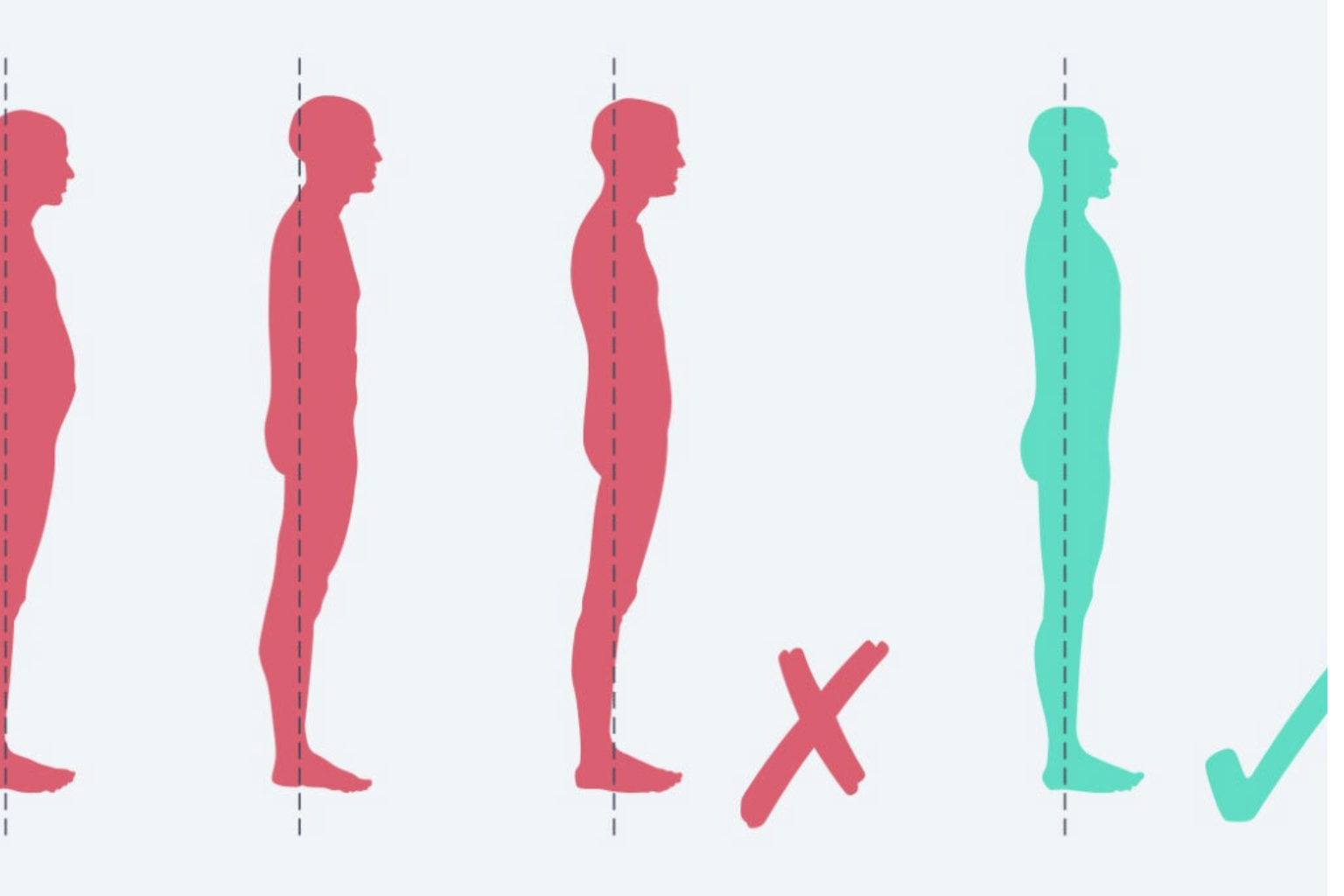
    As people start to age, degenerative health conditions grapple with them. With the modern lifestyle, it’s quite common to have spinal issues as people are either working too hard or not working at all. Spondylosis is one such degenerative condition, which causes the degeneration of the vertebral discs at various regions. 

    People suffering from this condition must get immediate spondylosis treatment, as it requires medical management. As Spondylosis is a blanket term for the condition, the actual disease may indicate the location of the issue. For example, cervical spondylosis or lumbar spondylosis can occur. If you want to know everything about this spinal condition, then you are at the right place. 

    Symptoms of Spondylosis 

    The symptoms of spondylosis may differ depending on its location. For example, the symptoms may differ for lumbar and cervical spondylosis. 

    ● Neck pain

    ● Stiffness of muscles in the neck

    ● A bump in your neck or anywhere on the spine

    ● Muscle spasm.

    ● It makes a weird sound when you move your neck

    ● Dizziness.

    ● Headache

    ● Lumbar pain

    These are a few common symptoms of spondylosis. If you experience any of the symptoms, then it’s important to visit the doctor for an appropriate diagnosis. 

    Causes of Spondylosis

    There are more than a few causes of spondylosis of the lumbar or cervical region of the spine. Here are the reasons behind this degenerative condition. 

    ● Degenerative disk disease

    ● Herniated disk

    ● Osteoarthritis

    ● Bone spurs 

    ● Spinal stenosis

    ● Accidental trauma

    These are the medical conditions that can cause the serious degeneration of the spine and alleviate the pain. In such cases, getting immediate treatment is highly recommended. 

    Spondylosis Treatment Options 

    There are more than a few treatment options available for Spondylosis. The most popular treatment options the pain relief and muscle-relaxing medications. The doctors prescribe the medications to relieve the pain and let patients live a pain-free life. 

    Physiotherapy is one of the non-surgical treatment options for pain relief and reducing the severity of the condition. The physiotherapists provide the exercise support to reduce the pain, improve the muscle mobility and also fix the issue with regular exercises. 

    Surgery is the final stage and is opted for only in serious conditions. If the degeneration is too much and causes intense pain, then the doctors might need to operate on the patient to permanently treat the condition. 

    Final Words

    Identifying the causes, symptoms and getting the appropriate treatment for Spondylosis is very important to avoid complications. The doctors at ANSSI Wellness provide spinal decompression therapy,which has helped thousands of patients to get pain relief from spinal conditions. 

  • Exploring Recombinant Antibody Production – A Focus on Mammalian Cell Systems

    Exploring Recombinant Antibody Production – A Focus on Mammalian Cell Systems

    Recombinant antibody production is a groundbreaking innovation in the field of biotechnology. This technology has revolutionized therapeutic treatments, diagnostics, and research applications. Antibodies, vital for targeting specific antigens, are now produced through engineered processes that involve recombinant antibody production, enabling faster, more efficient, and highly specific results. One of the primary systems used for this production is the mammalian cell, particularly the CHO cell (Chinese Hamster Ovary cell), which has become the gold standard for protein expression. This article delves into the critical aspects of mammalian expression systems and antibody expression, providing insights into the advantages, challenges, and applications in modern medicine.

    What is a Recombinant Antibody?

    A recombinant antibody is a type of antibody that is produced through genetic engineering techniques. Unlike traditional methods of antibody production, which rely on hybridoma technology, recombinant antibodies are created by inserting the genes encoding the desired antibody into a host system, such as a mammalian cell. This method allows for the production of highly specific antibodies that can be tailored to target particular antigens with great precision.

    The key benefit of recombinant antibodies is that they are more consistent and reliable than those produced by conventional means. The ability to manipulate their genetic sequence allows researchers to create antibodies with improved affinity, stability, and reduced immunogenicity, making them ideal for therapeutic use.

    Mammalian Cell Systems in Recombinant Antibody Production

    The most widely used system for producing recombinant antibodies is the mammalian cell system. These cells, particularly CHO cells, are chosen for their ability to perform post-translational modifications, such as glycosylation, which are essential for the proper folding and function of complex proteins like antibodies.

    Why Use Mammalian Cells?

    Mammalian cells, unlike bacterial or yeast systems, can produce proteins that are nearly identical to those found in humans. This is crucial when producing therapeutic antibodies, as human-like glycosylation patterns are often required for efficacy and to reduce the risk of adverse immune reactions. The following are the primary advantages of using mammalian cells:

    • Post-Translational Modifications: Mammalian cells can add sugars to proteins in a process called glycosylation, which is necessary for the stability and function of many therapeutic proteins.
    • Folding and Assembly: Proper folding and assembly of complex proteins like antibodies occur more efficiently in mammalian cells, ensuring functional activity.
    • Biological Relevance: Proteins produced in mammalian cells are more likely to mimic their natural human counterparts, making them safer and more effective for therapeutic applications.

    CHO Cells: The Gold Standard in Antibody Production

    Among mammalian systems, CHO cells have emerged as the most commonly used for recombinant protein production. CHO cells offer several advantages that make them ideal for large-scale antibody production:

    1. High Yield: CHO cells are capable of producing high amounts of recombinant proteins, making them ideal for commercial production.
    2. Adaptability: They can be easily adapted to grow in suspension cultures, which are suitable for large-scale production in bioreactors.
    3. Scalability: CHO cells are well-suited for scale-up, allowing for the production of therapeutic antibodies on an industrial scale.
    4. Regulatory Approval: Proteins and antibodies produced in CHO cells have a long history of regulatory approval, making it easier to navigate the clinical and regulatory processes.

    Protein Expression in Mammalian Systems

    Protein expression in mammalian systems involves the insertion of a gene encoding the desired antibody into the host cell’s DNA. Once inside the cell, the gene is transcribed into messenger RNA (mRNA), which is then translated into a protein (the antibody). The protein undergoes post-translational modifications to ensure proper folding, stability, and functionality.

    The Process of Mammalian Expression
    1. Gene Cloning: The first step in mammalian expression is to clone the gene of interest into a plasmid, a small DNA molecule that can replicate independently.
    2. Transfection: The plasmid is then introduced into the mammalian cell, such as a CHO cell, through a process called transfection. Several transfection methods exist, including chemical, physical, and viral methods.
    3. Protein Production: Once the gene is inside the cell, it is transcribed into mRNA, which is then translated into the protein. The cells are cultured, and as they grow, they produce the recombinant antibody.
    4. Purification: After sufficient amounts of the protein have been produced, it is purified from the culture medium. This involves several steps, including filtration and chromatography, to ensure the final product is pure and free of contaminants.

    Applications of Antibody Expression

    The ability to produce antibodies through antibody expression in mammalian cells has led to significant advancements in several fields, including:

    1. Therapeutic Antibodies: Recombinant antibodies are now commonly used in the treatment of diseases such as cancer, autoimmune disorders, and infectious diseases. Drugs like Rituximab and Trastuzumab, which are used to treat certain cancers, are examples of therapeutic antibodies produced in CHO cells.
    2. Diagnostics: Recombinant antibodies are also used in diagnostic tests to detect diseases or conditions in patients. These antibodies can be designed to specifically bind to markers of disease, allowing for early detection and treatment.
    3. Research: In scientific research, recombinant antibodies are used as tools to study cellular processes, protein interactions, and disease mechanisms. The precision with which these antibodies can be engineered makes them invaluable in laboratory settings.

    Challenges in Recombinant Antibody Production

    While the use of mammalian cells in antibody production offers many advantages, there are also challenges to consider:

    • Cost: Mammalian systems are more expensive to operate than bacterial or yeast systems. The need for specialized growth media and equipment increases production costs.
    • Time-Consuming: The production process in mammalian cells is slower compared to other systems, often taking weeks or months to achieve sufficient yields.
    • Complexity: The complexity of mammalian cells can lead to variability in protein production, requiring careful monitoring and optimization of culture conditions.

    Conclusion

    The use of recombinant antibody production through mammalian cell systems like CHO cells has revolutionized modern medicine, offering tailored therapeutic solutions and advancing research capabilities. The process of protein expression and antibody expression in mammalian systems provides the precision and biological relevance necessary for producing safe and effective antibodies. Despite the challenges, the advantages of using mammalian cells far outweigh the difficulties, making them the preferred choice for producing high-quality recombinant antibodies in the pharmaceutical and biotechnology industries.

  • Fostering Independence through ABA Therapy Techniques

    Fostering Independence through ABA Therapy Techniques

    Introduction

    Therapy using Applied Behavior Analysis (ABA) is a recognized approach used to support individuals, particularly those with autism spectrum disorder (ASD), by promoting desirable behaviors and reducing undesired ones. The main objective of ABA therapy is to foster independence in daily life, empowering individuals to navigate their environments more effectively. Independence is crucial for enhancing self-esteem and improving overall quality of life. This article delves into various ABA therapy techniques that can be utilized to encourage independence in different contexts.

    Understanding Independence in ABA Therapy

    Independence is generally understood as the capacity for tasks and making decisions without relying on others. In the context of ABA, promoting independence involves breaking down tasks into manageable components, teaching these components systematically, and reinforcing successful completion. This approach not only aids in acquiring new skills but also fosters confidence and autonomy in individuals.

    Critical Components of Fostering Independence

    1. Functional Assessment: Understanding the individual’s specific needs and capabilities is essential. A functional assessment gathers information about the individual’s strengths, challenges, and motivations. This data informs the creation of personalized goals and objectives that target specific skills necessary for independence.
    2. Skill Acquisition: Teaching new skills is critical to fostering independence. ABA uses techniques such as task analysis to break down complex tasks into smaller, teachable steps. For example, if the goal is to teach an individual to prepare a simple meal, the steps may include gathering ingredients, washing hands, and following a recipe.
    3. Reinforcement: Positive reinforcement is central to ABA therapy. People are more prone to repeat actions that have been positively reinforced. By applying reinforcement strategies effectively, therapists can encourage the consistent practice of newly learned skills, thereby promoting independence.
    4. Generalization: An essential aspect of ABA is ensuring that learned behaviors transfer to different settings and situations. Generalization strategies may involve practicing skills in various environments or with other people to enhance the individual’s ability to act independently outside the therapy context.
    5. Self-Monitoring and Self-Management: Teaching individuals to monitor their behavior and manage tasks independently is crucial for long-term success. Techniques such as self-recording progress and setting personal goals enable people to take charge of their education.

    ABA Techniques for Fostering Independence


    Task Analysis

    Task analysis is a systematic approach that breaks down tasks into smaller, manageable components. This technique is beneficial for teaching complex skills such as daily living activities, academic assignments, or social interactions. For instance, using task analysis to teach a child how to brush their teeth might include the following steps:

    1. Get the toothbrush.
    2. Apply toothpaste.
    3. Wet the toothbrush.
    4. Brush teeth for two minutes.
    5. Rinse the mouth.
    6. Clean the toothbrush.

    Each step can be taught sequentially, with reinforcement provided as the individual successfully completes each stage.

    Prompting and Fading

    Prompting involves providing cues or assistance to help an individual perform a desired behavior. Various prompting strategies include verbal prompts, gestures, and physical guidance. Over time, the therapist gradually removes these prompts, a process known as fading. This method helps the individual learn to complete a task independently. For example, a therapist may begin by guiding a child’s hand while they learn to tie their shoelaces, then slowly reduce assistance as the child’s competence grows.

    Visual Supports

    Visual support is a powerful way to enhance understanding and retention of information. Tools such as pictorial schedules, checklists, and visual timers can aid individuals in completing tasks independently. For instance, a visual schedule outlining the steps to complete morning routines can help an individual become more self-reliant in getting ready for school.

    Natural Environment Teaching (NET)

    Natural Environment Teaching is an ABA technique that involves teaching skills in the environment where the skills are typically used. By incorporating natural scenarios into learning, individuals can practice skills in real-life contexts. For example, grocery shopping can teach budgeting and decision-making skills, allowing learners to apply what they’ve been trained in in a meaningful situation.

    Peer Modeling

    Peer modeling leverages the social learning theory by allowing individuals to learn from their peers. Pairing individuals with peers demonstrating desired behaviors can encourage imitation and practice in structured environments. This technique is especially effective in fostering social skills and promoting independence in group settings.

    Social Stories

    Social stories are narratives that outline specific social situations and appropriate responses. These relatable stories help individuals understand social cues and expectations, facilitating their participation in social interactions. Individuals can confidently navigate social engagements independently by clearly defining situations and desired behaviors.

    Measuring Progress and Adjustments

    Continuous monitoring and assessing the individual’s progress are vital components of ABA therapy. Regular data collection allows therapists to evaluate the effectiveness of ongoing techniques and make necessary adjustments. Strategies could be modified depending on the person’s growth, shifting goals, and varying contexts.

    Setting Realistic Goals

    Establishing realistic and achievable goals is critical for fostering independence. Objectives should be time-bound, relevant, quantifiable, attainable, and specific (SMART). Creating smaller benchmarks out of bigger ones will be beneficial. Track progress and maintain motivation.

    Collaboration with Families and Caregivers

    Incorporating the insights and involvement of families and caregivers is essential for the success of ABA therapy and fostering independence. Collaboration ensures that goals align with the individual’s daily life and enhances the consistency of support provided. Involving families in the learning process can empower them to reinforce skills at home, providing additional opportunities for practice and motivation. Training and resources should be offered to caregivers to equip them with the tools required to effectively support the individual’s development. This partnership promotes accountability and builds a supportive environment conducive to long-lasting independence.

    Celebrating Achievements

    Recognizing and Recognizing accomplishments, no matter how tiny, is essential for maintaining motivation and promoting self-esteem. Providing positive feedback and acknowledging progress fosters a sense of accomplishment and encourages further learning. Celebrations can be formal, such as a small ceremony highlighting milestones, or informal, such as personal praises during daily interactions. Establishing a culture of recognition can significantly impact an individual’s drive to continue pursuing independence and mastering new skills. This positive reinforcement creates an atmosphere that nurtures growth and resilience, further enhancing their journey towards autonomy. 

    Conclusion

    Fostering independence through Move Up ABA therapy techniques is an ongoing process that requires a tailored approach to meet the unique needs of each individual. By utilizing methods such as task analysis, prompting and fading, visual supports, and natural environment teaching, therapists can equip individuals with the skills they need to thrive. Ultimately, encouraging independence enhances the individual’s quality of life and sense of self-efficacy and autonomy, making the learning journey a more fulfilling experience. As we explore the potential of ABA therapy, we must advocate for practices that empower individuals to live independently while enjoying meaningful connections within their communities.