Walk into a busy office, retail store, medical clinic, or restaurant, and you’ll probably notice the atmosphere before anything else. The space feels comfortable, the air is fresh, and customers or employees can focus on what they came to do. Rarely does anyone stop to think about the heating and cooling system quietly working behind the scenes to make all of that possible.
That’s actually the sign of a well-maintained HVAC system. When everything works as it should, nobody notices it.
For business owners and property managers, though, HVAC equipment deserves far more attention than it usually gets. A single unexpected breakdown can interrupt operations, affect customer satisfaction, increase operating costs, and create unnecessary stress for everyone involved. Preventive maintenance is one of the simplest ways to reduce those risks while protecting one of the most valuable systems in any commercial building.
Every Business Depends on Reliable Indoor Comfort
No matter the industry, indoor comfort matters.
Employees are generally more productive when temperatures remain consistent throughout the workday. Customers tend to spend more time browsing in comfortable retail spaces. Healthcare facilities rely on stable indoor conditions for both patients and staff, while restaurants depend on proper climate control to create a pleasant dining experience.
Reliable commercial heating and cooling systems make all of this possible without demanding constant attention.
Unlike residential equipment that may cycle on and off depending on household activity, commercial systems often operate for extended hours every day. Office buildings may run HVAC equipment from early morning until late evening, while hotels, hospitals, and manufacturing facilities may require climate control around the clock.
That continuous workload naturally creates wear over time, making regular maintenance even more important.
Small Issues Can Become Expensive Quickly
One of the biggest misconceptions about commercial HVAC equipment is that it will clearly signal when something is wrong.
Sometimes it does.
More often, however, problems develop gradually.
Air filters slowly become clogged.
Belts begin showing signs of wear.
Electrical terminals loosen slightly.
Coils collect dirt that restricts heat transfer.
The system continues operating, but it has to work much harder to maintain comfortable temperatures. That extra strain affects efficiency, increases utility costs, and shortens equipment life.
By the time cooling performance noticeably declines, the underlying issue may already be much more expensive to repair.
The Value of scheduled maintenance
Rather than waiting for equipment to fail unexpectedly, many businesses invest in scheduled maintenance throughout the year.
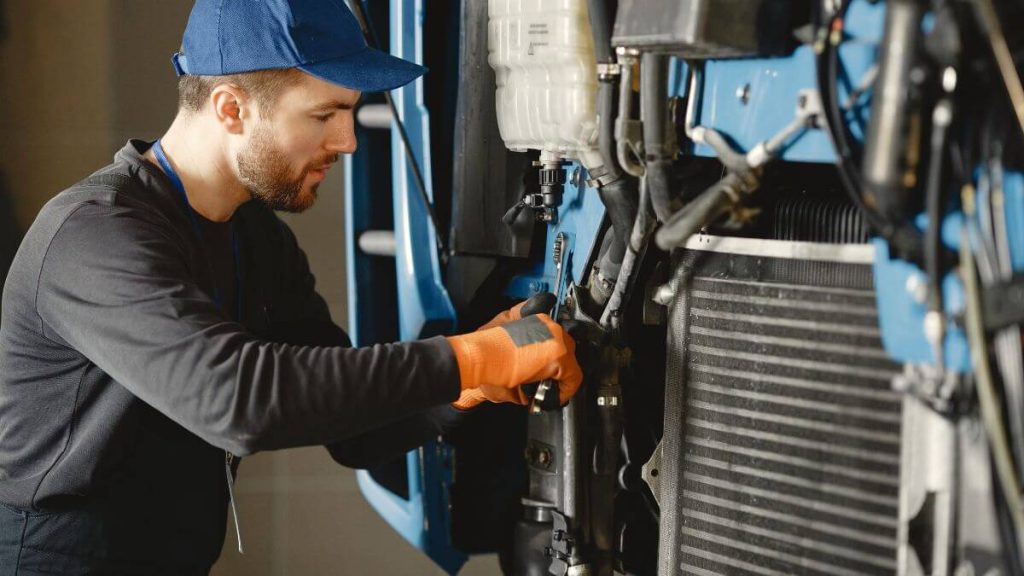
This proactive approach allows technicians to inspect critical components, clean important system parts, verify refrigerant levels, examine electrical connections, evaluate airflow, and identify developing concerns before they interrupt normal business operations.
Scheduling maintenance during planned service windows also minimizes disruption. Instead of responding to emergency failures during peak business hours, companies can choose maintenance times that fit their operational schedule.
Planning ahead almost always proves easier than reacting under pressure.
Better Efficiency Means Lower Operating Costs
Commercial HVAC equipment represents one of the largest energy consumers in many buildings.
When systems become dirty or poorly maintained, they consume more electricity while delivering less effective heating or cooling.
Dirty condenser coils reduce heat transfer.
Restricted airflow forces fans to operate longer.
Loose electrical connections create unnecessary resistance.
Minor refrigerant issues reduce cooling capacity.
Individually, these problems may appear insignificant.
Collectively, they can noticeably increase monthly utility expenses.
Routine maintenance restores system efficiency, helping businesses reduce unnecessary energy consumption while maintaining consistent indoor comfort.
Over the course of a year, those savings often outweigh much of the maintenance investment itself.
Employee Comfort Affects Productivity
Comfortable employees tend to work more effectively.
It’s difficult to stay focused in an office that’s too warm during summer or too cold in winter. Temperature fluctuations, poor airflow, and excessive humidity create distractions that influence productivity more than many managers realize.
A properly maintained HVAC system helps create stable working conditions where employees can concentrate on their responsibilities rather than adjusting fans, opening windows, or complaining about uncomfortable temperatures.
The improvement may seem subtle, but over time it contributes to a better overall workplace experience.
Indoor Air Quality Matters More Than Ever
Heating and cooling systems do more than regulate temperature.
They also circulate the air everyone breathes throughout the building.
Clean filters, properly maintained coils, and unrestricted airflow help reduce dust accumulation while supporting healthier indoor air quality.
This becomes especially important in offices, schools, healthcare facilities, and businesses where customers spend significant amounts of time indoors.
Routine maintenance helps ensure that ventilation systems continue performing as intended, creating a cleaner and more pleasant environment for both employees and visitors.
Reliable Equipment Leads to reduced downtime
Unexpected HVAC failures rarely happen at convenient times.
They often occur during extreme weather when systems are working hardest and HVAC contractors are handling their busiest schedules.
For businesses, these breakdowns can delay operations, interrupt customer service, and even force temporary closures in certain situations.
One of the biggest benefits of preventive maintenance is reduced downtime.
Technicians identify worn components before they fail, allowing repairs to be completed during planned maintenance visits rather than emergency service calls.
That reliability helps businesses continue serving customers without unnecessary interruptions.
Protecting Expensive Equipment
Commercial HVAC equipment represents a substantial investment.
Replacing rooftop units, air handlers, or integrated climate control systems requires significant capital that most businesses would rather invest elsewhere.
Preventive maintenance helps maximize that investment.
Lubricated moving parts experience less friction.
Clean coils improve operating efficiency.
Proper airflow reduces stress on motors and compressors.
Electrical inspections help prevent overheating and premature component failure.
While maintenance cannot stop equipment from aging, it can significantly reduce unnecessary wear and help systems reach or even exceed their expected service life.
Maintenance Helps With Long-Term Planning
Another overlooked advantage of routine service is predictability.
Instead of facing sudden repair bills without warning, property managers receive valuable information about equipment condition during maintenance visits.
Technicians can identify aging components that may eventually require replacement, allowing businesses to budget for future repairs rather than scrambling to respond to emergencies.
That level of planning supports better financial management while reducing operational surprises.
It’s a much more comfortable position to be in than discovering a major system failure during the busiest week of the year.
Investing in Reliability Pays Off Every Day
Commercial HVAC maintenance isn’t simply another operating expense.
It’s an investment in reliability, efficiency, employee comfort, customer satisfaction, and long-term cost control.
Well-maintained systems consume less energy, experience fewer emergency repairs, last longer, and provide more consistent indoor comfort throughout changing seasons.
Perhaps most importantly, they allow business owners and facility managers to focus on running their organizations instead of worrying about unexpected equipment failures.
In the end, the goal isn’t perfection. Mechanical systems will always require attention from time to time. The real value lies in staying ahead of problems before they disrupt your business.
A consistent maintenance plan helps create exactly that kind of reliability—quiet, dependable performance that supports your employees, serves your customers, and keeps your business operating smoothly no matter what the weather looks like outside.