Most people think about water treatment in terms of the end result. They picture a glass of clean water coming from the kitchen tap or maybe a large industrial filtration system quietly operating in the background. But what many homeowners and businesses don’t realize is that the real magic often happens before the main filtration stage even begins.
Good water treatment is rarely about one single filter doing all the work.
It’s more like a team effort — layers of protection working together to improve efficiency, extend equipment life, and create more reliable results over time. And honestly, once you understand how water systems actually function, it becomes pretty obvious why preparation matters so much.
Especially when reverse osmosis enters the picture.
Reverse Osmosis Systems Need Protection Too
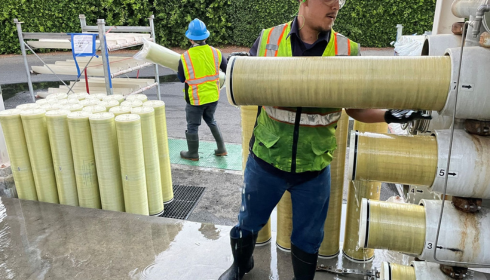
Reverse osmosis is one of the most effective filtration methods available today. It’s capable of reducing dissolved solids, minerals, and many impurities that standard filters simply can’t handle as efficiently.
But here’s the thing people sometimes overlook: reverse osmosis membranes are delicate compared to other filtration components.
If untreated water loaded with sediment, chlorine, scale-forming minerals, or organic material reaches those membranes directly, performance begins declining much faster. Efficiency drops. Maintenance costs increase. Filters require replacement earlier than expected.
That’s exactly why reverse osmosis pretreatment plays such an important role in both residential and commercial water systems.
Pretreatment stages help condition the water before it reaches the main membrane. Sediment filters capture particles. Carbon filtration removes chlorine that could damage sensitive membranes. Water softeners may reduce scale buildup caused by calcium and magnesium.
Think of it like preparing a surface before painting. The final result depends heavily on what happens beforehand.
Water Problems Usually Build Slowly
One frustrating thing about poor water quality is how quietly the problems develop.
You rarely wake up one morning to catastrophic failure caused by untreated water. Instead, small issues slowly pile up over time. Water pressure decreases. Filters clog faster. Appliances become less efficient. Equipment maintenance becomes more frequent.
And because these problems emerge gradually, homeowners and businesses often adapt to them without realizing water quality is the underlying issue.
That’s why effective contaminant removal matters so much beyond simple drinking water concerns. Water carries all kinds of substances depending on local conditions — sediment, chlorine, dissolved minerals, bacteria, organic compounds, and other impurities that affect both system performance and daily use.
Different locations face different challenges too.
Municipal water supplies may contain chlorine-heavy treatment residues. Well water can introduce iron, sulfur, or sediment issues. Industrial facilities sometimes deal with highly variable water conditions depending on operational demands and regional infrastructure.
There’s no universal solution because water itself isn’t universal.
Pretreatment Improves More Than Just Filtration
One thing people often assume is that pretreatment only exists to “help the filter.” Technically true, but it does much more than that.
Proper pretreatment improves system longevity, energy efficiency, maintenance schedules, and overall reliability. In commercial or industrial environments, those improvements can translate into serious operational savings over time.
For example, scaling inside reverse osmosis membranes reduces flow rates and increases energy demands because the system must work harder to push water through partially blocked surfaces. Pretreatment minimizes those risks before they become expensive problems.
And honestly, prevention is almost always cheaper than constant repairs.
The same principle applies in residential systems too. Homeowners may notice fewer filter replacements, more consistent water pressure, and longer appliance lifespan when water is properly conditioned before advanced filtration occurs.
Better Water Changes Everyday Experiences
Of course, technical performance matters, but people also notice practical lifestyle improvements pretty quickly once water systems are functioning properly.
Coffee tastes cleaner. Shower doors collect less residue. Ice cubes lose that faint chemical smell some municipal water carries. Laundry feels softer. Even simple things like washing fruits and vegetables feel different somehow.
Those small experiences shape how people think about their home environment more than they realize.
And ultimately, that’s why conversations around water quality have expanded so much over the last decade. People aren’t just asking whether water is technically safe anymore. They care about taste, comfort, appliance protection, sustainability, and long-term reliability too.
Water affects daily life constantly, even when we barely think about it.
Every Water System Should Be Customized
One mistake homeowners sometimes make is buying advanced filtration equipment without fully understanding the condition of their incoming water.
That usually leads to frustration.
A high-end reverse osmosis system won’t perform optimally if sediment overloads the membranes constantly. A softener alone won’t remove certain contaminants. Carbon filtration helps with chlorine, but not every dissolved mineral issue.
That’s why professional water testing matters so much before choosing equipment.
Proper analysis identifies what’s actually present in the water supply so treatment stages can be customized appropriately. Some homes need simple sediment reduction and carbon filtration. Others require softening, iron removal, UV sterilization, or multiple layers working together.
The smartest systems are designed around real conditions rather than assumptions.
Businesses Depend on Consistent Water More Than Ever
Commercial and industrial facilities especially understand the importance of stable water conditions because inconsistency directly affects operations.
Restaurants rely on water for food preparation and beverage quality. Manufacturing plants need consistent processing conditions. Healthcare facilities depend on sanitation standards. Hotels care about guest comfort and equipment reliability.
Poor water quality quietly creates friction everywhere.
That’s why pretreatment has become such an essential component in larger filtration systems across industries. It protects expensive equipment while helping businesses maintain more predictable results day after day.
And honestly, customers notice more than businesses sometimes expect. Taste differences, cloudy glassware, appliance issues, or inconsistent product quality all shape perception over time.
The Best Water Systems Feel Invisible
What’s interesting about well-designed water treatment systems is that when they work properly, people stop thinking about them altogether.
The water tastes good. Equipment runs smoothly. Filters last longer. Appliances stay cleaner. Daily routines feel easier.
That quiet consistency is really the goal.
Because at the end of the day, most people don’t want to become water treatment experts. They simply want reliable systems that remove unnecessary stress from daily life without demanding constant attention in return.
And honestly, the best water solutions usually do exactly that — quietly supporting everything in the background while people focus on living their lives instead.