Water is one of those things we rarely question—until something feels off. Maybe it’s the chalky film on your dishes, the faint metallic taste in your glass, or the way your skin feels oddly dry after a shower. Most of us assume tap water is “good enough,” but if you’ve ever paused and wondered what’s really in it, you’re not alone.
In homes across the country, people are quietly rethinking their relationship with water. Not in a dramatic, alarmist way—but in a practical, thoughtful way. Because once you start paying attention to the quality of the water you drink, cook with, and bathe in every day, it becomes surprisingly hard to ignore.
The Everyday Reality of Hard Water
Hard water is incredibly common, though many homeowners don’t realize they’re dealing with it. The signs are subtle at first—soap that doesn’t quite lather, mineral spots on faucets, or appliances that seem to age faster than expected.
That’s where water softeners quietly change the game.
These systems remove minerals like calcium and magnesium that cause hardness. The result? Water that feels smoother, works better with soap, and is gentler on everything from plumbing to your favorite coffee maker.
But the real surprise tends to be how noticeable the difference becomes once the change happens. Towels feel softer. Glassware looks clearer. Even everyday chores—like washing dishes—suddenly seem easier. It’s one of those upgrades that doesn’t scream luxury, yet it subtly improves daily life.
And interestingly, homeowners often say the same thing after installing one: they wish they had done it sooner.
The Question of Drinking Water
Of course, water quality isn’t only about minerals. When it comes to the water we drink, the conversation becomes a little more complex.
Municipal water treatment does an important job, but by the time water reaches your kitchen tap, it can still carry trace contaminants, chlorine taste, or dissolved solids that affect flavor.
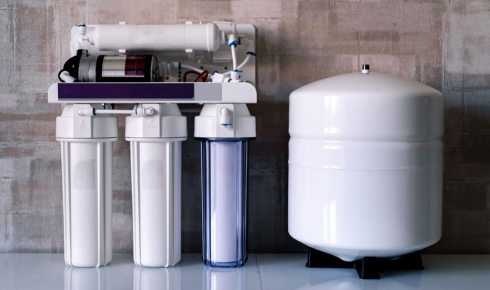
This is where reverse osmosis drinking water systems come into play.
Reverse osmosis (often shortened to RO) works by pushing water through a semi-permeable membrane that filters out a wide range of impurities. The process sounds technical—and honestly, it is—but the result is something simple: water that tastes noticeably cleaner.
You might notice it most in your morning coffee or tea. Or maybe when filling a glass late at night, when the quiet house makes small details stand out more clearly.
Some people describe RO water as “crisp.” Others say it simply tastes neutral. Either way, it removes that lingering uncertainty about what’s in your drinking water.
And peace of mind, as it turns out, is a powerful upgrade.
Why Filtration Is Becoming a Household Priority
There’s been a quiet shift happening over the past decade. More homeowners are beginning to view water quality the same way they view air quality—something that deserves attention rather than blind trust.
That’s partly because awareness has grown. News stories about contaminants, aging infrastructure, and regional water challenges have nudged people to look closer at what’s flowing through their pipes.
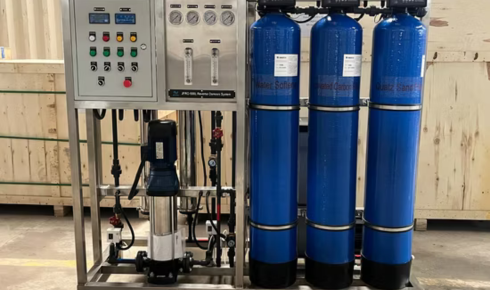
As a result, many households are exploring advanced filtration systems that treat water more comprehensively throughout the home.
These systems can address issues like sediment, chlorine, heavy metals, and other impurities before the water even reaches your kitchen sink or showerhead. Think of it as treating water at the source, rather than reacting to it later.
The benefits tend to ripple outward. Showers feel cleaner. Laundry lasts longer. And drinking water—arguably the most important part—becomes consistently reliable.
It’s not about fear. It’s about control.
The Unexpected Ways Better Water Changes Daily Life
What’s fascinating about improving water quality is that the impact rarely stays limited to one area. It tends to influence a whole string of small, everyday experiences.
Cooking becomes more enjoyable because ingredients taste the way they’re supposed to. Pasta water doesn’t carry odd flavors. Vegetables retain their natural brightness.
Skin and hair care often improve, too. Hard water minerals can leave behind residues that irritate sensitive skin or make hair feel dull. Once those minerals are removed, many people notice subtle improvements they hadn’t even been looking for.
Then there’s the practical side. Appliances—from dishwashers to water heaters—often operate more efficiently when mineral buildup is reduced. That means fewer repairs, longer lifespans, and less frustration over time.
Not exactly glamorous benefits, perhaps. But incredibly useful.
Finding the Right Balance
It’s easy to assume that better water requires complicated solutions or expensive technology. In reality, most modern systems are surprisingly straightforward.
Many homes combine multiple approaches—softening for mineral control, filtration for broader contaminants, and reverse osmosis for drinking water. Together, they create a layered approach to water quality that feels both practical and reassuring.
The key is understanding your local water conditions. What works perfectly in one region may not be necessary in another. A simple water test often reveals more than you might expect.
And once you know what’s in your water, the path forward tends to become clearer.
A Small Change With Lasting Impact
At the end of the day, water quality is one of those quiet home upgrades that rarely gets the spotlight. It doesn’t transform the look of your living room or impress guests at dinner.
But it does something arguably more meaningful.
It improves the small moments—your first sip of water in the morning, the way your skin feels after a shower, the taste of a home-cooked meal. Those moments add up quickly, and before long, better water simply becomes part of everyday comfort.
And perhaps that’s the real point.
Clean, reliable water shouldn’t be something we think about constantly. Ideally, it should be something we can trust without a second thought.
When that trust is in place, life flows a little more smoothly—just like the water from your tap.