There’s a certain kind of comfort that doesn’t shout for attention. It doesn’t blast cold air into your face or crank out heat like a furnace trying to prove a point. It just… stays steady. Quiet. Reliable in a way that feels almost effortless.
That’s usually when people start noticing something different about geothermal homes. Not because they look different—but because they feel different.
And the interesting part? Most of that magic is happening underground, completely out of sight.
Looking Beyond the Usual Heating and Cooling
Most homes rely on systems that react to the weather. It’s hot outside, so the AC works harder. It’s freezing, so the heater kicks in. There’s always this push and pull, like your home is constantly trying to catch up with the environment.
Geothermal systems take a different approach.
Instead of fighting the outdoor temperature, they work with the earth itself. A few feet below the surface, the ground maintains a relatively stable temperature year-round. It’s not freezing in winter or scorching in summer—it just stays… consistent.
That consistency is what makes energy efficient heating and cooling possible in a way that feels almost natural. The system doesn’t have to overwork itself because it’s not battling extremes. It’s simply transferring heat to and from a stable source.
And when your system isn’t constantly straining, everything else improves—efficiency, longevity, even the way your home feels day to day.
What Installation Really Involves (And Why It’s Worth It)
Now, let’s be honest—geothermal system installation isn’t as simple as swapping out a traditional HVAC unit. It requires planning, space, and a bit of upfront investment.
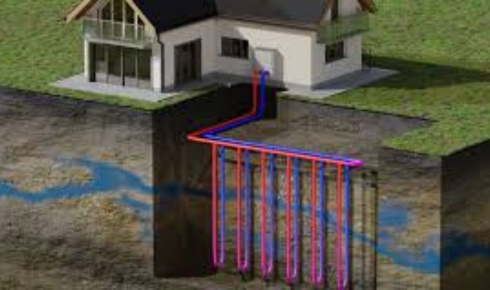
There’s drilling or trenching involved to place the underground loops. These loops circulate fluid that absorbs or releases heat depending on the season. It sounds technical—and it is—but once it’s set up, the system becomes incredibly low-maintenance.
I remember talking to a homeowner who described the installation as “a bit of a project, but a one-time one.” That stuck with me. Because unlike traditional systems that might need replacing every 10–15 years, geothermal setups are built to last much longer, especially the underground components.
So yes, it asks for more at the beginning. But in return, it offers something rare—long-term stability without constant upgrades or surprises.
The Science That Makes It All Work
At the heart of geothermal systems is something called ground source heat exchange. It sounds complicated, but the concept is actually pretty straightforward.
In winter, the system pulls heat from the ground and transfers it into your home. In summer, it does the opposite—removing heat from your home and sending it back into the earth.
It’s less about generating heat and more about moving it. And because the ground temperature is stable, the system can operate efficiently no matter what’s happening above the surface.
What’s fascinating is how quiet this process is. There’s no loud outdoor unit struggling against extreme weather. No sudden spikes in energy use. Just a steady exchange happening beneath your feet, unnoticed but effective.
Why the Comfort Feels Different
People often struggle to explain what makes geothermal comfort unique. It’s not colder or warmer—it’s smoother.
Traditional systems tend to cycle on and off, creating noticeable shifts in temperature. You feel the burst of cold air, then the room slowly warms up again, and the cycle repeats.
Geothermal systems, on the other hand, maintain a more consistent flow. The temperature stays even, without those sharp fluctuations. It’s subtle, but once you experience it, it’s hard to go back.
There’s also the added benefit of quieter operation. Without the constant hum of an overworked compressor, your home feels calmer. Almost like the system isn’t there at all.
The Long-Term Perspective Most People Miss
It’s easy to focus on upfront costs when considering a geothermal system. And that’s fair—it’s not a small investment.
But what often gets overlooked is the long-term picture.
Lower energy bills. Fewer repairs. Longer system lifespan. These things add up over time. And then there’s the environmental impact—reduced energy consumption means a smaller carbon footprint, which matters more now than ever.
It’s not just about saving money, though. It’s about predictability. Knowing your system isn’t going to struggle during extreme weather. Knowing your comfort isn’t tied to rising energy costs.
That kind of reliability has its own value.
Is It the Right Fit for Everyone?
Not necessarily. And that’s okay.
Geothermal systems work best in certain conditions—homes with enough space for installation, homeowners planning to stay long-term, and those willing to invest upfront for future benefits.
It’s not a quick fix or a trendy upgrade. It’s a thoughtful decision, one that makes sense when you’re looking at the bigger picture.
But for those who do make the switch, the feedback is often the same: it just feels better. Not in a dramatic, life-changing way—but in the quiet, everyday moments that matter most.
A Final Thought: Comfort That Doesn’t Compete
What makes geothermal systems stand out isn’t just their efficiency or their technology. It’s the way they integrate into your life without demanding attention.
They don’t compete with the weather—they work around it. They don’t create extremes—they maintain balance.
And maybe that’s what comfort should be.
Not something you have to adjust constantly. Not something that reminds you it’s working.
Just a steady, reliable presence in the background, letting you live your life without thinking twice about the temperature.
And all of it, quietly powered by the ground beneath your feet.