We usually don’t think much about the water and air inside our homes until something feels off. Maybe the water leaves a strange taste in your morning coffee, or mineral deposits keep appearing around the kitchen faucet. Perhaps the air feels dusty even after cleaning, and certain rooms seem harder to keep fresh.
These small frustrations can add up.
The good news is that modern home treatment options can address many of these concerns. Water filtration, disinfection, and indoor air solutions each have a different purpose, and understanding those differences makes it much easier to choose wisely.
The goal isn’t to fill your home with technology. It’s to create a cleaner, more comfortable environment with solutions that actually fit your household.
Start With the Problems You Notice
Every home has different conditions. One family may mainly struggle with hard water, while another may be concerned about sediment, taste, or odor. Indoor air can vary just as much depending on pets, ventilation, dust, humidity, and outdoor conditions.
Before buying equipment, pay attention to the signs.
Are there spots on dishes? Does water have an unusual smell? Is the showerhead covered with scale? Do you notice excessive dust shortly after cleaning?
These observations don’t provide a complete diagnosis, but they’re useful clues.
Testing water and evaluating indoor conditions can provide a much clearer picture of what needs attention.
Water Filtration Is Not One-Size-Fits-All
The word “filtration” covers a surprisingly wide range of technologies.
Some systems are designed to reduce sediment or particles. Others focus on taste and odor. Certain systems are built for drinking-water applications, while whole-home systems are designed to treat water before it travels throughout the property.
This distinction matters.
Buying a filter simply because it has a good reputation doesn’t guarantee that it will address your particular concern. The equipment needs to match the water characteristics you’re trying to improve.
It’s a little like buying a tool for a repair. A beautiful toolbox doesn’t help much if you don’t have the right wrench inside it.
Where Activated Carbon Fits In
One widely used filtration approach is activated carbon water filtration.
Carbon filtration can be useful for certain taste and odor concerns and may reduce some substances depending on the type and design of the filter. That’s why carbon appears in many residential water-treatment products.
However, carbon filtration isn’t designed to solve every water problem.
For example, homeowners dealing primarily with hardness minerals may need a water softening approach rather than relying on a carbon filter alone. Likewise, specific contaminants may require specialized treatment.
Knowing the intended purpose of a filter is just as important as knowing its brand.
What UV Water Disinfection Does
Filtration and disinfection aren’t exactly the same thing.
uv / water disinfection uses ultraviolet light as a treatment method intended to inactivate microorganisms when the system is properly designed and operated. UV treatment is often considered in situations where microbial concerns are part of the water-treatment picture.
But UV doesn’t remove everything from water.
It doesn’t replace every type of filtration, and it isn’t designed to solve issues such as hardness or all dissolved substances. Depending on the water source, it may be used alongside other treatment technologies.
That combination approach can sometimes make more sense than expecting one system to handle every concern.
Why Drinking Water May Need a Different Approach
The water you drink is only a small percentage of the total water used in a home, but it’s understandably one of the areas people care about most.
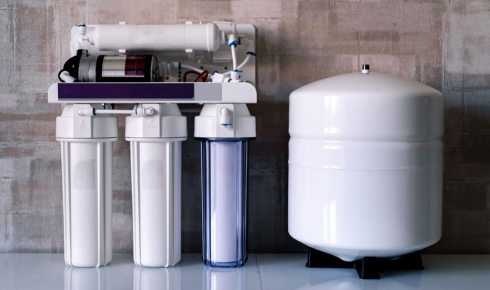
Point-of-use systems can provide additional treatment at a kitchen faucet or another selected location. Reverse osmosis is another option homeowners sometimes consider when they want more extensive drinking-water treatment.
The right system depends on the water source and the substances you’re trying to reduce.
Testing is useful here because it can help prevent unnecessary treatment. You don’t want to spend money addressing a problem your water doesn’t actually have.
Don’t Ignore Whole-Home Water Quality
While drinking water gets plenty of attention, water used for showers, laundry, cleaning, and appliances matters too.
If hard water is affecting faucets throughout the house, treating only the kitchen sink won’t solve the larger issue. Similarly, if sediment is entering the home through the main supply, a small under-sink filter may not address what happens at other fixtures.
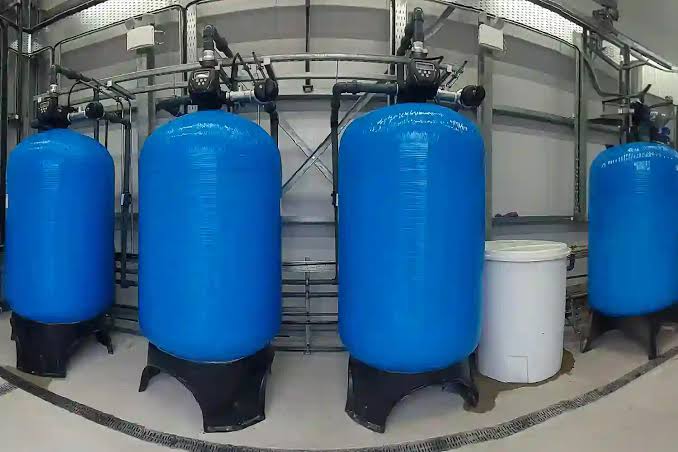
Whole-home treatment can make sense when the concern is widespread.
The appropriate setup depends on water quality, household usage, plumbing configuration, and the goals of the homeowner.
Air Quality Deserves a Place in the Conversation
Water isn’t the only thing affecting how comfortable a home feels.
Indoor air can contain dust, airborne particles, odors, and other pollutants. The amount varies considerably from one home to another. Pets, cooking, cleaning products, ventilation, building materials, and outdoor air can all play a role.
That’s where air purification can become part of a broader indoor-environment strategy.
Different air-purification technologies target different types of airborne particles or pollutants. Some systems focus heavily on particulate matter, while others may incorporate additional technologies for specific indoor-air concerns.
As with water treatment, the best choice starts with understanding the problem.
Maintenance Is Easy to Forget
Treatment systems usually work quietly, which is convenient until you forget that they need maintenance.
Filters eventually need to be replaced. UV equipment may require lamp replacement and cleaning according to the manufacturer’s instructions. Other treatment components can need inspection or servicing.
Skipping maintenance can affect performance.
A simple calendar reminder is surprisingly effective. Keep track of replacement dates, service appointments, and any manufacturer recommendations.
It takes only a few minutes to stay organized, and it can help protect the investment you’ve already made.
Don’t Buy More Technology Than You Need
There is a natural temptation to choose the system with the longest list of features.
But more isn’t always better.
A complicated system can mean higher installation costs, more components to maintain, and greater long-term expense. If a simpler solution addresses the actual problem, there’s nothing wrong with choosing it.
On the other hand, trying to save money by choosing equipment that isn’t designed for your water or air conditions can create frustration later.
The sweet spot is a system that is capable enough for the job without being unnecessarily complicated.
Professional Advice Can Help
Water and air treatment can become technical pretty quickly. Terms like flow rate, filtration media, UV dose, membrane rejection, replacement intervals, and contaminant reduction aren’t exactly everyday conversation.
A qualified professional can help translate all of that into practical choices.
Ask what the system is designed to address. Ask about maintenance. Ask what happens if the equipment needs service later.
A good recommendation should make sense to you, not just sound impressive.
Creating a Home That Feels Better
Improving water and indoor air quality doesn’t require turning your house into a laboratory.
Start small. Identify the problems you’re actually experiencing. Test when appropriate, compare treatment methods, and choose equipment based on real needs rather than marketing promises.
Water filtration can help address certain quality concerns. Disinfection can serve a different purpose when microbial treatment is needed. Air treatment can help create a more comfortable indoor environment.
The important thing is matching the solution to the situation.
When everything is working properly, you probably won’t notice the technology at all. You’ll simply enjoy better-tasting water, cleaner fixtures, fresher-feeling rooms, and a home that feels a little more comfortable.
And really, that’s the point. Good home treatment shouldn’t become another thing you have to worry about. It should quietly make everyday living easier.