A home’s plumbing system doesn’t usually ask for attention politely. It grumbles, drips, slows down, stains the sink, or gives you that annoying shower pressure that makes rinsing shampoo feel like a small life challenge. Most homeowners ignore these little signs for a while, and honestly, that’s understandable. Nobody wakes up excited to think about pipes behind the walls.
But plumbing has a funny way of becoming expensive when it’s ignored too long. A tiny issue can turn into damaged flooring, mouldy drywall, ruined cabinets, and a water bill that makes no sense. That’s why knowing when your pipes need more than a quick repair can save a lot of stress later.
Small Plumbing Problems Can Point to Bigger Issues
One leak under the sink may just be a loose fitting. A dripping faucet might only need a washer. But when problems keep coming back in different places, it’s usually worth taking a step back and looking at the whole system.
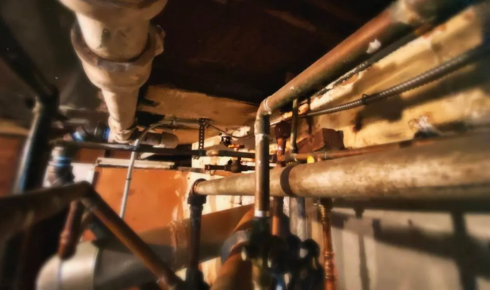
Older homes especially can develop pipe problems slowly. Corrosion, mineral buildup, weak joints, and outdated materials can all reduce performance over time. You might fix one section today, only to have another weak spot show up next month. At some point, repeated patching stops being practical.
Why Pipe Age Matters More Than People Think
Pipes do not last forever, even when they were installed well. Different materials age in different ways. Galvanized pipes may rust from the inside. Copper can develop pinhole leaks. Older plastic materials can become brittle. Even newer systems can fail early if installation was poor or water conditions are harsh.
This is where repiping and pipe replacement becomes a serious conversation, not just a big scary project. It may sound like overkill at first, but when the existing plumbing is failing in several areas, replacing sections — or sometimes the full system — can be more sensible than paying for repair after repair.
Water Pressure Is Often a Clue
Many people notice plumbing trouble first in the shower. The water starts strong, then weakens. Or maybe one bathroom works fine while another barely has enough flow. Sometimes the kitchen faucet takes forever to fill a pot.
Low water pressure can happen for several reasons, including clogged aerators, a failing pressure regulator, mineral deposits, or leaks hiding somewhere in the system. In older pipes, buildup inside the line can slowly narrow the water path. The pipe may look fine from the outside, but inside it’s struggling.
A plumber should diagnose the actual cause before recommending repairs. Guesswork can lead to unnecessary spending. A proper inspection helps separate a small fixture issue from a larger pipe problem.
Leaks That Keep Coming Back Shouldn’t Be Ignored
A one-time leak is frustrating, but manageable. The real concern starts when leaks become a pattern. Maybe it’s the laundry room this month, the bathroom wall next month, then the water heater connection after that. It starts feeling like the house is taking turns choosing problems.
Recurring leaks are often a sign that the plumbing system is weakening overall. This can happen because of age, corrosion, poor water quality, high pressure, or bad installation. Whatever the cause, repeated leaks should be treated as a warning. Fixing only the visible leak may not solve the hidden issue behind it.
The Cost of Waiting Too Long
Nobody likes spending money on plumbing. It’s not like buying a new sofa or upgrading a kitchen countertop where you get to enjoy the result every day. Pipes are hidden, so the investment feels less exciting.
Still, waiting too long can cost more. Water damage repair, mould removal, flooring replacement, cabinet repair, repainting, and emergency plumbing calls all add up quickly. A planned pipe replacement is usually calmer, cleaner, and easier to budget for than a midnight leak that floods a hallway.
A Good Plumber Should Explain the Options Clearly
Not every pipe problem means the whole house needs repiping. Sometimes a targeted repair is enough. Sometimes one section needs replacement. Sometimes the system is old enough that a broader solution makes sense.
The important thing is honest guidance. A good plumbing professional will explain what they found, show photos if possible, discuss material options, and give a clear estimate. They should not pressure you into the biggest job without reason. But they also should not keep patching a failing system just to postpone the obvious.
Modern Materials Can Make a Real Difference
Today’s plumbing materials are often more reliable and easier to install than many older systems. PEX, copper, and other approved materials each have their benefits depending on the home, budget, local code, and water conditions.
A well-planned replacement can improve flow, reduce leak risk, and make future maintenance easier. It may also help prevent hidden damage in areas where old pipes have already started to weaken. The best results come from proper installation, not just good materials.
Watch for the Everyday Signs
Homeowners don’t need to become plumbing experts. But paying attention helps. Rust-colored water, strange pipe noises, damp spots, musty smells, rising water bills, slow fixture flow, and repeated repairs are all signs worth checking.
Even small changes matter. If a shower suddenly feels weaker, or a ceiling stain appears after using an upstairs bathroom, don’t wait months to investigate. Early attention gives you more choices.
Final Thoughts
Replacing pipes is not always the first answer, but it should not be feared when the signs are clear. A strong plumbing system protects the comfort, value, and safety of a home. It quietly supports everything from morning showers to cooking, cleaning, laundry, and heating.
When old pipes start causing repeated trouble, the smartest move is to look at the bigger picture. A careful inspection today can help you avoid bigger repairs tomorrow — and sometimes, peace of mind is worth more than another temporary fix.