There’s something quietly comforting about water when it behaves the way it should. No smell, no odd taste, no second guessing. You pour a glass, take a sip, and move on.
But then, every now and then, something shifts.
Maybe your water tastes slightly metallic. Or your tea doesn’t taste as clean as it used to. Maybe you’ve caught yourself hesitating before drinking from the tap—and that’s usually where the curiosity begins.
Not panic. Just curiosity.
When “Good Enough” Stops Feeling Good
Most people don’t think about their water until something feels off. And even then, it’s easy to brush it aside.
“It’s probably nothing.”
But those small changes—taste, clarity, even how water feels—are often signs that something in your water has changed. Not necessarily something dangerous, but something worth understanding.
That’s where learning about different filtration options comes in. Not in a technical, overwhelming way—but in a practical, everyday sense.
Starting With the Basics
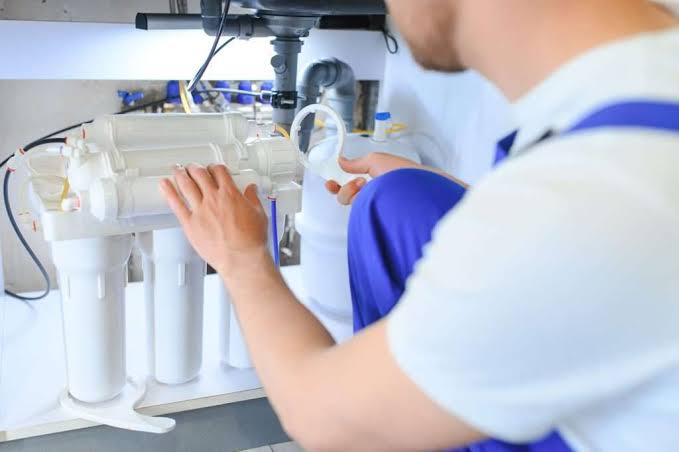
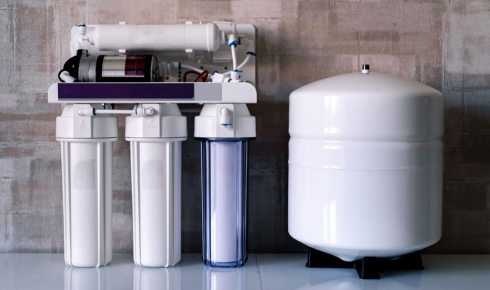
If you’ve ever looked into water treatment, you’ve probably come across the term water filtration systems.
It sounds broad—and it is.
These systems are designed to remove unwanted particles, chemicals, or impurities from your water. Some are simple, like basic filters that improve taste. Others are more advanced, targeting specific issues like heavy metals or bacteria.
The important thing to understand is this: not all systems do the same thing.
And that’s okay.
Because water isn’t the same everywhere, and neither are the solutions.
The Idea Behind Cleaner Water
At its core, filtration is about one thing—contaminant removal.
That might mean reducing chlorine that affects taste and odor. It could mean filtering out sediment that clouds your water. Or it might involve removing substances you can’t see or taste at all.
What’s interesting is how much of a difference this can make.
Cleaner water doesn’t just taste better—it feels better. It changes how you experience everyday routines, from drinking to cooking to washing.
And often, the difference is noticeable almost immediately.
When You Want to Go a Step Further
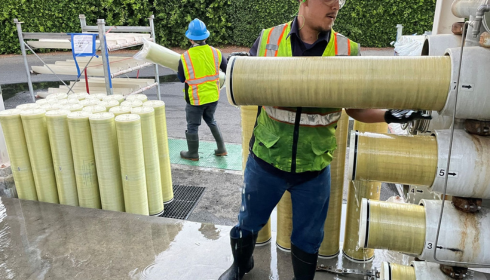
For those looking for a more thorough approach, reverse osmosis often comes up.
If you’ve heard the term but never quite understood it, think of it as a more detailed level of filtration. Water is pushed through a very fine membrane that removes a wide range of impurities.
It’s a bit like giving your water an extra layer of refinement.
A good reverse osmosis guide will usually explain this in technical terms, but the real takeaway is simple: it’s designed to provide highly purified water.
And for many people, that level of clarity—both in taste and in quality—feels reassuring.
Why It’s Not About One Perfect Solution
One of the most common misconceptions is that there’s a single “best” system for everyone.
There isn’t.
What works well in one home might not be necessary in another. Some people are focused on improving taste. Others are more concerned about specific contaminants. Some just want consistency.
The key is understanding your water—what’s in it, how it behaves, and what you want to improve.
Once you have that clarity, choosing a system becomes much less overwhelming.
The Small Things You Start to Notice
Here’s something people don’t always expect: improving water quality doesn’t feel like a big, dramatic change.
It’s subtle.
Your water tastes cleaner. Your coffee feels smoother. Your ice cubes look clearer. Even your cooking might feel slightly different—in a good way.
These aren’t life-changing moments. But they’re noticeable.
And over time, they add up.
It’s Not Just About Drinking
We often focus on drinking water, but water touches so many parts of daily life.
It’s in your kitchen, your bathroom, your laundry room. It affects your appliances, your fixtures, even your skin and hair.
So when you improve your water, you’re not just improving one experience—you’re enhancing many.
And that’s something people often realize only after the change has been made.
Taking a Practical Approach
If you’re considering a filtration system, the best place to start is simple.
Test your water. Understand what’s present. Identify what you’d like to improve.
From there, you can explore options that make sense for your situation.
You don’t need to rush into anything. You don’t need to overcomplicate it.
Just take it one step at a time.
A Quiet Upgrade That Makes a Difference
What’s interesting about water is how quietly it supports your daily life.
You don’t think about it when it’s working well. But when it improves, you notice.
It’s in the little things—the taste of your morning drink, the feel of your shower, the clarity of your glass.
And those little things? They matter more than we often realize.
Final Thoughts
If your water doesn’t feel quite right, trust that instinct.
You don’t need to jump to conclusions or assume the worst. But taking a closer look—understanding what’s in your water and how it can be improved—is always a worthwhile step.
Because at the end of the day, water is something you rely on constantly.
And when it’s clean, consistent, and comfortable to use, everything else just feels a bit easier.