Blog

  • Why Scheduled HVAC Maintenance Is a Smart Business Decision for Every Commercial Property

    Why Scheduled HVAC Maintenance Is a Smart Business Decision for Every Commercial Property

    Walk into a busy office, retail store, medical clinic, or restaurant, and you’ll probably notice the atmosphere before anything else. The space feels comfortable, the air is fresh, and customers or employees can focus on what they came to do. Rarely does anyone stop to think about the heating and cooling system quietly working behind the scenes to make all of that possible.

    That’s actually the sign of a well-maintained HVAC system. When everything works as it should, nobody notices it.

    For business owners and property managers, though, HVAC equipment deserves far more attention than it usually gets. A single unexpected breakdown can interrupt operations, affect customer satisfaction, increase operating costs, and create unnecessary stress for everyone involved. Preventive maintenance is one of the simplest ways to reduce those risks while protecting one of the most valuable systems in any commercial building.

    Every Business Depends on Reliable Indoor Comfort

    No matter the industry, indoor comfort matters.

    Employees are generally more productive when temperatures remain consistent throughout the workday. Customers tend to spend more time browsing in comfortable retail spaces. Healthcare facilities rely on stable indoor conditions for both patients and staff, while restaurants depend on proper climate control to create a pleasant dining experience.

    Reliable commercial heating and cooling systems make all of this possible without demanding constant attention.

    Unlike residential equipment that may cycle on and off depending on household activity, commercial systems often operate for extended hours every day. Office buildings may run HVAC equipment from early morning until late evening, while hotels, hospitals, and manufacturing facilities may require climate control around the clock.

    That continuous workload naturally creates wear over time, making regular maintenance even more important.

    Small Issues Can Become Expensive Quickly

    One of the biggest misconceptions about commercial HVAC equipment is that it will clearly signal when something is wrong.

    Sometimes it does.

    More often, however, problems develop gradually.

    Air filters slowly become clogged.

    Belts begin showing signs of wear.

    Electrical terminals loosen slightly.

    Coils collect dirt that restricts heat transfer.

    The system continues operating, but it has to work much harder to maintain comfortable temperatures. That extra strain affects efficiency, increases utility costs, and shortens equipment life.

    By the time cooling performance noticeably declines, the underlying issue may already be much more expensive to repair.

    The Value of scheduled maintenance

    Rather than waiting for equipment to fail unexpectedly, many businesses invest in scheduled maintenance throughout the year.

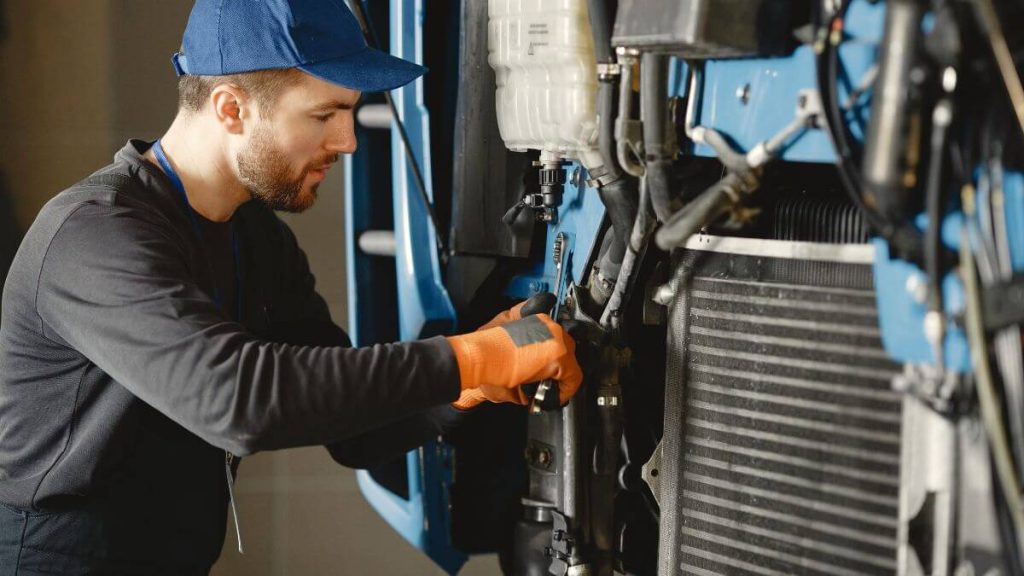
    This proactive approach allows technicians to inspect critical components, clean important system parts, verify refrigerant levels, examine electrical connections, evaluate airflow, and identify developing concerns before they interrupt normal business operations.

    Scheduling maintenance during planned service windows also minimizes disruption. Instead of responding to emergency failures during peak business hours, companies can choose maintenance times that fit their operational schedule.

    Planning ahead almost always proves easier than reacting under pressure.

    Better Efficiency Means Lower Operating Costs

    Commercial HVAC equipment represents one of the largest energy consumers in many buildings.

    When systems become dirty or poorly maintained, they consume more electricity while delivering less effective heating or cooling.

    Dirty condenser coils reduce heat transfer.

    Restricted airflow forces fans to operate longer.

    Loose electrical connections create unnecessary resistance.

    Minor refrigerant issues reduce cooling capacity.

    Individually, these problems may appear insignificant.

    Collectively, they can noticeably increase monthly utility expenses.

    Routine maintenance restores system efficiency, helping businesses reduce unnecessary energy consumption while maintaining consistent indoor comfort.

    Over the course of a year, those savings often outweigh much of the maintenance investment itself.

    Employee Comfort Affects Productivity

    Comfortable employees tend to work more effectively.

    It’s difficult to stay focused in an office that’s too warm during summer or too cold in winter. Temperature fluctuations, poor airflow, and excessive humidity create distractions that influence productivity more than many managers realize.

    A properly maintained HVAC system helps create stable working conditions where employees can concentrate on their responsibilities rather than adjusting fans, opening windows, or complaining about uncomfortable temperatures.

    The improvement may seem subtle, but over time it contributes to a better overall workplace experience.

    Indoor Air Quality Matters More Than Ever

    Heating and cooling systems do more than regulate temperature.

    They also circulate the air everyone breathes throughout the building.

    Clean filters, properly maintained coils, and unrestricted airflow help reduce dust accumulation while supporting healthier indoor air quality.

    This becomes especially important in offices, schools, healthcare facilities, and businesses where customers spend significant amounts of time indoors.

    Routine maintenance helps ensure that ventilation systems continue performing as intended, creating a cleaner and more pleasant environment for both employees and visitors.

    Reliable Equipment Leads to reduced downtime

    Unexpected HVAC failures rarely happen at convenient times.

    They often occur during extreme weather when systems are working hardest and HVAC contractors are handling their busiest schedules.

    For businesses, these breakdowns can delay operations, interrupt customer service, and even force temporary closures in certain situations.

    One of the biggest benefits of preventive maintenance is reduced downtime.

    Technicians identify worn components before they fail, allowing repairs to be completed during planned maintenance visits rather than emergency service calls.

    That reliability helps businesses continue serving customers without unnecessary interruptions.

    Protecting Expensive Equipment

    Commercial HVAC equipment represents a substantial investment.

    Replacing rooftop units, air handlers, or integrated climate control systems requires significant capital that most businesses would rather invest elsewhere.

    Preventive maintenance helps maximize that investment.

    Lubricated moving parts experience less friction.

    Clean coils improve operating efficiency.

    Proper airflow reduces stress on motors and compressors.

    Electrical inspections help prevent overheating and premature component failure.

    While maintenance cannot stop equipment from aging, it can significantly reduce unnecessary wear and help systems reach or even exceed their expected service life.

    Maintenance Helps With Long-Term Planning

    Another overlooked advantage of routine service is predictability.

    Instead of facing sudden repair bills without warning, property managers receive valuable information about equipment condition during maintenance visits.

    Technicians can identify aging components that may eventually require replacement, allowing businesses to budget for future repairs rather than scrambling to respond to emergencies.

    That level of planning supports better financial management while reducing operational surprises.

    It’s a much more comfortable position to be in than discovering a major system failure during the busiest week of the year.

    Investing in Reliability Pays Off Every Day

    Commercial HVAC maintenance isn’t simply another operating expense.

    It’s an investment in reliability, efficiency, employee comfort, customer satisfaction, and long-term cost control.

    Well-maintained systems consume less energy, experience fewer emergency repairs, last longer, and provide more consistent indoor comfort throughout changing seasons.

    Perhaps most importantly, they allow business owners and facility managers to focus on running their organizations instead of worrying about unexpected equipment failures.

    In the end, the goal isn’t perfection. Mechanical systems will always require attention from time to time. The real value lies in staying ahead of problems before they disrupt your business.

    A consistent maintenance plan helps create exactly that kind of reliability—quiet, dependable performance that supports your employees, serves your customers, and keeps your business operating smoothly no matter what the weather looks like outside.
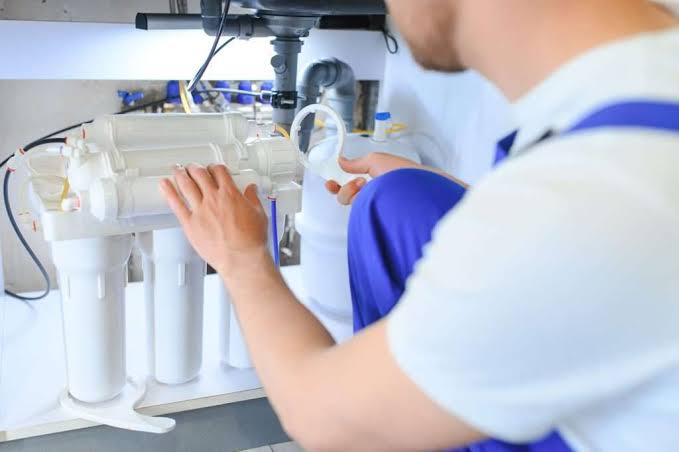
     

  • Why Hard Water Is More Than a Minor Inconvenience for Your Home

    Why Hard Water Is More Than a Minor Inconvenience for Your Home

    There are certain household annoyances that become so familiar we stop questioning them. White spots on freshly washed glasses. Soap that refuses to lather. Towels that feel a little stiff no matter how much fabric softener you use. Even the shower door seems to collect cloudy stains faster than you’d expect. It’s easy to shrug these things off as normal.

    But often, they’re all connected by one quiet culprit: hard water.

    Millions of homes deal with hard water every day, yet many homeowners don’t realize just how much it influences their plumbing, appliances, cleaning routines, and even personal comfort. It’s not necessarily unsafe to drink, but living with hard water can slowly become expensive, frustrating, and surprisingly time-consuming.

    The good news? Once you understand what’s happening behind the scenes, improving your home’s water becomes much easier than most people imagine.

    Understanding What Makes Water “Hard”

    Water naturally travels through layers of soil, limestone, chalk, and rock before it reaches homes. Along the way, it picks up minerals—primarily calcium and magnesium. These minerals are completely natural, but when their concentration becomes high enough, the water is considered “hard.”

    Unlike contamination, hard water isn’t usually a health concern. In fact, those minerals can even contribute small amounts of calcium and magnesium to your diet. The real challenge begins inside your plumbing system and throughout your home.

    Every time hard water is heated or evaporates, tiny mineral deposits remain behind. Day after day, year after year, those deposits gradually build up inside pipes, faucets, water heaters, coffee makers, dishwashers, and washing machines.

    The effects aren’t dramatic overnight—but they’re remarkably consistent.

    The Everyday Cost of Mineral Buildup

    Hard water has a funny way of making ordinary tasks slightly more difficult.

    Laundry often requires extra detergent. Shampoo takes longer to rinse away. Dishes emerge from the dishwasher with cloudy spots that seem impossible to polish away. Soap scum collects faster in tubs and sinks, meaning more scrubbing and stronger cleaning products.

    Meanwhile, the hidden costs continue behind walls and beneath floors.

    Mineral scaling narrows plumbing pipes over time, forcing water heaters and household appliances to work harder than they should. That extra effort translates into higher energy use, increased maintenance, and shorter equipment lifespans.

    Many homeowners don’t connect these ongoing expenses to their water because the changes happen so gradually.

    Why Many Families Choose water softeners

    When homeowners finally decide to address hard water, water softeners are often the first solution they explore.

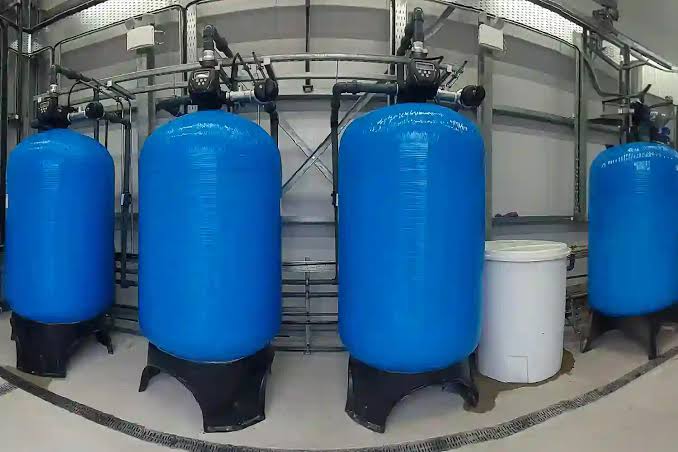
    These systems work by removing or significantly reducing calcium and magnesium before the water travels throughout the home. Instead of allowing those minerals to settle inside plumbing and appliances, the treatment process exchanges them for sodium or potassium ions.

    The difference isn’t always dramatic on the first day. Instead, it’s something people begin noticing over several weeks.

    Soap lathers more easily. Hair feels smoother after washing. Dishes dry cleaner with fewer spots. Shower walls stay cleaner longer, and mineral crust around faucets slowly becomes a thing of the past.

    Perhaps even more valuable are the changes homeowners don’t immediately see—reduced scale inside plumbing, improved appliance efficiency, and less wear on expensive equipment.

    Not Every Home Needs the Same Treatment

    One of the biggest misconceptions about water improvement is that every house requires identical equipment.

    That’s rarely true.

    Some homes experience extremely hard water that affects nearly every fixture. Others deal with moderate mineral levels but also have iron, manganese, sulfur odors, or sediment entering from private wells.

    Because every water supply is unique, professionals often recommend testing before purchasing equipment. Understanding the exact mineral content makes it much easier to select water conditioning systems that match the home’s actual needs instead of relying on guesswork.

    Sometimes a basic softener is sufficient. Other situations may benefit from filtration, iron removal, or additional treatment stages working together.

    Choosing the right combination from the beginning often saves money and delivers better long-term performance.

    Small Improvements That Change Daily Life

    People often expect water treatment to produce dramatic, instant results.

    Reality is usually quieter—and that’s actually a good thing.

    Over time, showers become easier to clean. Less detergent is needed for laundry. Coffee makers continue working efficiently without frequent descaling. Water heaters maintain performance because mineral buildup slows dramatically.

    Many families also notice personal comfort improvements.

    Skin often feels less dry after bathing, especially during colder months. Hair becomes easier to manage, and soap rinses away without leaving behind that familiar slippery residue many hard water users know so well.

    None of these changes transform life overnight, but together they create a noticeably more comfortable home.

    Looking Beyond Quick Fixes

    Walk through any home improvement store, and you’ll find countless products promising cleaner faucets or easier stain removal.

    While those products can temporarily manage mineral deposits, they don’t address the source of the problem.

    That’s why many homeowners eventually begin researching long-term hard water solutions instead of repeatedly buying cleaners designed to battle scale buildup after it appears.

    Treating water before it enters the home’s plumbing protects everything downstream—from expensive appliances to everyday fixtures. Rather than constantly removing mineral deposits, homeowners prevent much of that buildup from occurring in the first place.

    It’s a proactive approach instead of a reactive one.

    Water Quality Is an Investment in Your Home

    We often think about protecting our homes by maintaining roofs, replacing HVAC filters, sealing windows, or servicing heating systems.

    Water deserves that same attention.

    Every gallon flowing through your pipes touches countless parts of your home. It fills your washing machine, runs through your dishwasher, heats inside your water heater, and flows through every faucet multiple times each day.

    Improving that water isn’t simply about convenience. It’s also about protecting equipment that represents thousands of dollars in household investments.

    The longer appliances operate efficiently, the less homeowners spend on repairs and premature replacements.

    Better Water Brings Lasting Peace of Mind

    Hard water rarely announces itself with a major plumbing emergency. Instead, it quietly leaves its mark through slower appliances, stubborn cleaning jobs, fading fixtures, and growing maintenance costs.

    Taking the time to understand your home’s water can change that entire experience.

    Whether your goal is protecting plumbing, extending appliance life, improving everyday cleaning, or simply making showers feel more enjoyable, addressing hard water offers benefits that continue year after year.

    Sometimes the biggest improvements inside a home aren’t the ones guests immediately notice. They’re the small daily comforts that quietly make life easier—clearer dishes, softer laundry, efficient appliances, and water that simply works the way it should.

    And honestly, that’s something every homeowner can appreciate.

  • Why the Right Water Treatment System Is About More Than Just Clean Water

    Why the Right Water Treatment System Is About More Than Just Clean Water

    Water quietly shapes almost every part of life at home. It starts your morning with a cup of coffee, fills the shower after a long day, keeps your washing machine running, and helps prepare every meal your family enjoys. Because it’s always available, it’s easy to overlook just how much we depend on it until something changes.

    Maybe your dishes start coming out with cloudy spots. Your shower leaves your skin feeling unusually dry, or your water develops a taste that wasn’t there before. These little signs are often dismissed as normal, yet they can point toward changes in water quality or aging treatment equipment.

    Improving your home’s water isn’t simply about making it taste better. It’s about creating a more comfortable, efficient, and dependable environment that quietly benefits your family every day.

    Every Home Has Different Water Challenges

    One of the biggest misconceptions homeowners have is that all water is basically the same.

    In reality, water quality varies from one property to another. Some homes experience hard water minerals that leave stubborn scale on plumbing fixtures. Others deal with chlorine taste, sediment, iron staining, sulfur odors, or naturally occurring contaminants. Even neighboring houses can have noticeably different water characteristics because of plumbing materials, local geology, or private wells.

    That’s why understanding your specific water is always the best place to begin.

    Choosing the Right System Is Only the Beginning

    Finding equipment that matches your household’s water quality is certainly important, but the installation process matters just as much.

    A treatment system must be properly sized, connected, and adjusted to match your home’s plumbing layout, water pressure, and daily usage. Even high-quality equipment can underperform if it’s installed incorrectly.

    That’s one reason homeowners often choose professional installation. Experienced technicians help ensure the system operates efficiently from day one while reducing the likelihood of future performance issues.

    A strong start usually leads to better long-term results.

    Water Treatment Influences Everyday Comfort

    Most people expect cleaner drinking water after installing a treatment system.

    What surprises many homeowners is how many other improvements they notice.

    Soap rinses away more easily. Laundry feels softer. Dishes come out cleaner, shower doors stay clearer, and appliances often operate more efficiently because mineral buildup is reduced. Even making tea or coffee can become a little more enjoyable when water quality improves.

    These changes don’t feel dramatic all at once. Instead, they quietly become part of everyday life until they’re simply expected.

    Support Matters After Installation

    Installing equipment isn’t really the end of the journey.

    Like any important household system, water treatment equipment occasionally benefits from maintenance, inspections, filter replacements, or adjustments as household needs change over time.

    That’s where ongoing support becomes valuable. Having knowledgeable professionals available to answer questions, perform routine service, and ensure equipment continues operating efficiently gives homeowners confidence long after installation is complete.

    It’s reassuring to know help is available when it’s needed.

    Technology Has Quietly Improved

    Water treatment technology has advanced significantly over the years.

    Modern systems often include smarter electronic controls, improved filtration materials, greater water efficiency, and simplified maintenance compared to older equipment. Many are designed to adapt more effectively to household water usage while reducing unnecessary water consumption during operation.

    These improvements allow homeowners to enjoy consistent water quality without constantly thinking about the equipment working behind the scenes.

    That’s exactly how home technology should feel.

    Water Testing Still Comes First

    Before selecting any treatment system, understanding your home’s water remains essential.

    Professional water testing identifies hardness, pH, sediment, chlorine, iron, sulfur, and other characteristics that influence both comfort and equipment performance. Those results help ensure homeowners invest in systems that solve real problems instead of relying on assumptions.

    Good information removes uncertainty from the decision-making process.

    Every effective treatment plan begins with knowing what’s actually in your water.

    Long-Term Value Goes Beyond Drinking Water

    Many people associate water treatment primarily with improving what comes from the kitchen faucet.

    In reality, better water helps protect plumbing fixtures, water heaters, dishwashers, washing machines, refrigerators, and other household appliances that rely on consistent water quality every day.

    Reducing mineral buildup and improving overall water quality often lowers maintenance needs while helping expensive equipment last longer.

    Those practical benefits continue year after year.

    Dependability Makes the Biggest Difference

    Ultimately, homeowners want something simple.

    They don’t want to think constantly about water treatment equipment. They want confidence that it works every time they turn on a faucet.

    That’s exactly what reliable water systems are designed to provide. Consistent performance means cleaner water, predictable operation, and fewer interruptions to everyday life, allowing homeowners to focus on everything else that matters.

    Reliability often becomes the feature people appreciate most.

    A Better Home Begins with Better Water

    Every home relies on water hundreds of times each week, yet it’s easy to forget how much influence it has on comfort, convenience, and long-term maintenance.

    Investing in quality water treatment isn’t simply about solving today’s concerns. It’s about creating a healthier, more efficient environment that supports your family for years to come.

    When the right equipment is paired with proper installation, dependable support, and a thoughtful understanding of your home’s unique water conditions, the benefits extend well beyond the kitchen sink.

    At the end of the day, the best home improvements aren’t always the ones that stand out immediately. Sometimes they’re the quiet systems working behind the scenes, improving daily routines without asking for attention. Better water is one of those improvements, offering comfort, confidence, and lasting value every single day.

  • Why Better Water Is One of the Best Investments You Can Make for Your Home

    Why Better Water Is One of the Best Investments You Can Make for Your Home

    Water Shapes More of Daily Life Than We Realize

    It’s easy to overlook water because it’s always there. You turn on the tap, fill a glass, start the coffee maker, run the dishwasher, or step into the shower without giving it much thought. Most of us assume that if the water looks clear, everything must be fine.

    But water has a much bigger influence on our homes than we often recognize.

    It touches nearly every part of daily life—from the meals we prepare and the beverages we enjoy to the appliances we rely on and even the condition of our plumbing. When water quality isn’t at its best, the effects usually appear slowly. Maybe your coffee tastes slightly different, your fixtures develop stubborn spots, or your water heater doesn’t seem quite as efficient as it once did.

    These little signs are easy to ignore, yet they’re often telling a larger story.

    Improving water quality isn’t just about convenience. It’s about creating a healthier, more comfortable home while protecting the systems you depend on every day.

    Looking Beyond Crystal-Clear Water

    One of the biggest misconceptions about household water is that appearance tells the whole story.

    In reality, water can look perfectly clear while still containing minerals, sediment, chlorine, or other substances that affect taste, odor, and long-term plumbing performance. Depending on where you live, water may also carry naturally occurring impurities or contaminants that aren’t visible at all.

    That’s why many homeowners choose water purification systems rather than relying solely on appearance or taste to judge water quality.

    Modern treatment systems are designed to improve water in different ways, helping families enjoy greater confidence every time they turn on the tap.

    Why Water Quality Deserves More Attention

    Water isn’t just something we drink.

    It’s used for cooking, bathing, washing clothes, cleaning dishes, brushing teeth, watering plants, and filling everything from coffee makers to humidifiers. Every appliance connected to your plumbing system depends on water working the way it should.

    When water quality declines, those appliances often work harder than necessary.

    Mineral buildup can reduce efficiency.

    Sediment may clog fixtures.

    Certain chemicals can influence taste and odor.

    Small issues slowly become larger maintenance concerns.

    The frustrating part is that these problems usually develop so gradually they’re mistaken for normal aging.

    A little preventive attention can make a remarkable difference over the long run.

    Understanding What’s Really in Your Water

    Every water supply is unique.

    Homes connected to municipal systems often receive treated water that still contains disinfectants like chlorine, while private well owners may encounter different naturally occurring minerals or microorganisms. Even neighboring communities can experience completely different water conditions because of local infrastructure and groundwater characteristics.

    Some people are surprised to learn that water may contain harmful contaminants they can’t see, smell, or taste. That doesn’t necessarily mean the water is unsafe, but it does highlight the importance of understanding what’s actually flowing through household plumbing.

    Professional water testing provides a clear picture of local water conditions, allowing homeowners to make informed decisions rather than relying on assumptions.

    Better Water Makes Everyday Living More Enjoyable

    One of the nicest things about improving water quality is that the benefits often show up in everyday moments.

    Morning coffee tastes cleaner.

    Tea develops richer flavor.

    Ice cubes appear clearer.

    Soap rinses away more easily.

    Glassware comes out sparkling instead of cloudy.

    Even showers can feel more refreshing when unwanted minerals and chemicals are reduced.

    None of these improvements are dramatic by themselves, but together they create a noticeable difference throughout the home.

    Sometimes comfort comes from the little things we experience every single day.

    Protecting Your Home’s Biggest Investments

    Replacing appliances isn’t something anyone looks forward to.

    Water heaters, dishwashers, refrigerators, washing machines, coffee makers, and plumbing systems represent major household investments. Poor water quality can shorten their lifespan by allowing mineral deposits and sediment to accumulate inside important components.

    As scale builds up, equipment becomes less efficient.

    Energy use increases.

    Maintenance becomes more frequent.

    Repairs become more expensive.

    Cleaner water helps reduce unnecessary strain on these systems, allowing them to operate more efficiently for longer periods.

    It’s a practical way to protect both your home and your budget.

    Clean Water Supports Health and Peace of Mind

    There’s something reassuring about knowing the water your family uses every day has been properly treated.

    Whether you’re preparing meals, filling a child’s water bottle, washing fresh fruits and vegetables, or making baby formula, confidence in your water matters.

    Having reliable access to clean water isn’t simply about convenience—it supports healthier everyday living and provides peace of mind that’s difficult to put a price on.

    Families with young children, older adults, or anyone focused on long-term wellness often see water treatment as an investment in both comfort and confidence.

    Every Home Requires a Different Approach

    No two homes have identical water needs.

    Some regions deal primarily with hard water. Others struggle with chlorine taste, sediment, sulfur odors, iron staining, or seasonal changes in water quality.

    Because of those differences, choosing the right treatment system shouldn’t be based on advertisements alone.

  • Why Better Electrical Planning Leads to Smarter, Longer-Lasting Buildings

    Why Better Electrical Planning Leads to Smarter, Longer-Lasting Buildings

    Some of the most important parts of a building are the ones nobody ever notices.

    People admire the architecture, the clean interior finishes, or the way natural light fills a room. They compliment the reception area, the meeting spaces, or the overall design. Rarely does anyone stop to think about the electrical network hidden behind the walls, quietly powering everything that makes the building functional.

    Yet without careful planning, even the most attractive commercial property can become frustrating to use. Poor outlet placement, overloaded circuits, inefficient lighting, or limited room for future upgrades often reveal themselves months—or even years—after construction is complete.

    That’s why electrical planning deserves far more attention than it sometimes receives. When it becomes part of the conversation early, everything else has a stronger foundation to build upon.

    Every Successful Building Begins with Thoughtful Decisions

    Construction is often associated with heavy equipment, steel beams, and concrete foundations, but long before any of those appear on site, planning is already shaping the future of the project.

    Architects develop layouts. Engineers calculate structural requirements. Contractors estimate schedules and costs. Owners think about budgets, operations, and long-term goals.

    Electrical planning fits naturally into this early stage because nearly every system inside a building depends on reliable power.

    The earlier potential challenges are identified, the easier they are to solve. Adjusting a drawing takes minutes. Relocating electrical infrastructure after walls are complete can take days—and cost considerably more.

    Planning ahead isn’t about making construction more complicated. It’s about making the entire process smoother.

    Why Flexibility Matters More Than Ever

    Technology changes quickly.

    A building completed today might eventually need electric vehicle charging stations, additional server rooms, solar integration, battery storage, advanced security systems, or equipment that hasn’t even reached the market yet.

    Designing only for today’s requirements often creates expensive limitations later.

    Leaving room inside electrical panels, installing spare conduit, and planning accessible cable routes provide flexibility that future owners and facility managers will genuinely appreciate.

    Buildings are long-term investments. Their electrical infrastructure should be prepared to evolve alongside the businesses operating inside them.

    The Difference planned electrical systems Make

    Well-designed planned electrical systems don’t simply provide electricity—they support the way people actually use a building.

    Lighting improves productivity. Dedicated circuits protect sensitive equipment. Emergency power keeps critical operations running. Smart controls reduce unnecessary energy consumption while making everyday operations more efficient.

    When these systems are carefully considered during design, occupants enjoy dependable performance without ever thinking much about the technology working behind the scenes.

    Ironically, the best electrical systems often go completely unnoticed because everything functions exactly as expected.

    That’s really the goal.

    Good Communication Prevents Costly Mistakes

    Commercial construction brings together professionals from many different disciplines.

    Electricians coordinate with mechanical contractors. Plumbers work alongside structural engineers. Architects collaborate with interior designers. Technology specialists contribute networking and communication requirements.

    Every decision affects another part of the project.

    Without consistent communication, small misunderstandings can quickly become expensive delays.

    Perhaps a duct conflicts with a cable tray. Maybe electrical panels become difficult to access. Sometimes equipment requires more power than originally anticipated.

    These aren’t unusual problems.

    They’re simply much easier to solve when everyone communicates early instead of reacting later.

    Why construction planning Extends Beyond the Building Structure

    Many people assume construction planning focuses mainly on schedules, budgets, and materials.

    While those elements certainly matter, successful planning also considers how every building system interacts throughout construction and long after occupancy begins.

    Electrical installations must coordinate with structural supports, plumbing routes, HVAC systems, fire protection equipment, communication infrastructure, and interior layouts.

    When these relationships are considered from the beginning, projects generally experience fewer delays, smoother inspections, and less rework.

    That efficiency benefits everyone involved—from contractors and owners to the people who will eventually use the building every day.

    Energy Efficiency Starts During Design

    Lower utility bills rarely happen by accident.

    Efficient lighting layouts, balanced electrical loads, quality equipment, occupancy sensors, daylight integration, and intelligent power distribution all begin during the planning stage.

    Many building owners naturally focus on controlling construction costs, but operational expenses continue for decades after the project is complete.

    Spending a little more on efficient electrical infrastructure often produces significant long-term savings through lower maintenance costs and reduced energy consumption.

    It’s one of those situations where short-term thinking can become surprisingly expensive over time.

    Choosing Practical electrical solutions for Long-Term Performance

    Every commercial building has unique operational requirements.

    A healthcare facility needs dependable backup power. Manufacturing plants require specialised equipment circuits. Retail spaces prioritise customer comfort and flexible layouts. Office environments demand reliable technology infrastructure.

    Because every project is different, effective electrical solutions should be tailored rather than copied from previous jobs.

    Experienced professionals evaluate the building’s purpose, occupancy, future growth plans, maintenance needs, and energy goals before recommending the best approach.

    That customised thinking creates buildings that remain useful and adaptable as organisations evolve.

    It’s less about installing more equipment and more about installing the right equipment in the right places.

    Small Details Leave a Lasting Impression

    Construction projects are filled with decisions that seem minor during installation.

    Adding an extra circuit. Providing spare panel capacity.

    Improving lighting controls. Creating accessible maintenance pathways.

    Allowing room for future expansion.

    Individually, none of these choices appears particularly dramatic.

    Together, they create buildings that are easier to manage, less expensive to maintain, and better prepared for changing technology.

    Those quiet improvements often deliver value long after construction crews have completed their work.

    Building for the Future Instead of Just Finishing the Present

    Completing a construction project is certainly an important milestone, but long-term success depends on much more than meeting deadlines.

    Buildings should remain safe, adaptable, efficient, and dependable for decades.

    That kind of performance doesn’t happen by chance. It grows out of thoughtful planning, experienced collaboration, careful attention to detail, and a willingness to think beyond immediate construction goals.

    While most visitors may never notice the electrical infrastructure supporting the building around them, they’ll certainly notice the results. Reliable lighting, efficient operations, comfortable spaces, dependable technology, and fewer disruptions all contribute to a better experience.

    In the end, great electrical planning isn’t simply about powering a building. It’s about creating a space that continues serving people effectively, year after year, with the quiet confidence that only smart preparation can provide.

  • When Old Pipes Start Telling You It’s Time for a Change

    When Old Pipes Start Telling You It’s Time for a Change

    A home’s plumbing system doesn’t usually ask for attention politely. It grumbles, drips, slows down, stains the sink, or gives you that annoying shower pressure that makes rinsing shampoo feel like a small life challenge. Most homeowners ignore these little signs for a while, and honestly, that’s understandable. Nobody wakes up excited to think about pipes behind the walls.

    But plumbing has a funny way of becoming expensive when it’s ignored too long. A tiny issue can turn into damaged flooring, mouldy drywall, ruined cabinets, and a water bill that makes no sense. That’s why knowing when your pipes need more than a quick repair can save a lot of stress later.

    Small Plumbing Problems Can Point to Bigger Issues

    One leak under the sink may just be a loose fitting. A dripping faucet might only need a washer. But when problems keep coming back in different places, it’s usually worth taking a step back and looking at the whole system.

    Older homes especially can develop pipe problems slowly. Corrosion, mineral buildup, weak joints, and outdated materials can all reduce performance over time. You might fix one section today, only to have another weak spot show up next month. At some point, repeated patching stops being practical.

    Why Pipe Age Matters More Than People Think

    Pipes do not last forever, even when they were installed well. Different materials age in different ways. Galvanized pipes may rust from the inside. Copper can develop pinhole leaks. Older plastic materials can become brittle. Even newer systems can fail early if installation was poor or water conditions are harsh.

    This is where repiping and pipe replacement becomes a serious conversation, not just a big scary project. It may sound like overkill at first, but when the existing plumbing is failing in several areas, replacing sections — or sometimes the full system — can be more sensible than paying for repair after repair.

    Water Pressure Is Often a Clue

    Many people notice plumbing trouble first in the shower. The water starts strong, then weakens. Or maybe one bathroom works fine while another barely has enough flow. Sometimes the kitchen faucet takes forever to fill a pot.

    Low water pressure can happen for several reasons, including clogged aerators, a failing pressure regulator, mineral deposits, or leaks hiding somewhere in the system. In older pipes, buildup inside the line can slowly narrow the water path. The pipe may look fine from the outside, but inside it’s struggling.

    A plumber should diagnose the actual cause before recommending repairs. Guesswork can lead to unnecessary spending. A proper inspection helps separate a small fixture issue from a larger pipe problem.

    Leaks That Keep Coming Back Shouldn’t Be Ignored

    A one-time leak is frustrating, but manageable. The real concern starts when leaks become a pattern. Maybe it’s the laundry room this month, the bathroom wall next month, then the water heater connection after that. It starts feeling like the house is taking turns choosing problems.

    Recurring leaks are often a sign that the plumbing system is weakening overall. This can happen because of age, corrosion, poor water quality, high pressure, or bad installation. Whatever the cause, repeated leaks should be treated as a warning. Fixing only the visible leak may not solve the hidden issue behind it.

    The Cost of Waiting Too Long

    Nobody likes spending money on plumbing. It’s not like buying a new sofa or upgrading a kitchen countertop where you get to enjoy the result every day. Pipes are hidden, so the investment feels less exciting.

    Still, waiting too long can cost more. Water damage repair, mould removal, flooring replacement, cabinet repair, repainting, and emergency plumbing calls all add up quickly. A planned pipe replacement is usually calmer, cleaner, and easier to budget for than a midnight leak that floods a hallway.

    A Good Plumber Should Explain the Options Clearly

    Not every pipe problem means the whole house needs repiping. Sometimes a targeted repair is enough. Sometimes one section needs replacement. Sometimes the system is old enough that a broader solution makes sense.

    The important thing is honest guidance. A good plumbing professional will explain what they found, show photos if possible, discuss material options, and give a clear estimate. They should not pressure you into the biggest job without reason. But they also should not keep patching a failing system just to postpone the obvious.

    Modern Materials Can Make a Real Difference

    Today’s plumbing materials are often more reliable and easier to install than many older systems. PEX, copper, and other approved materials each have their benefits depending on the home, budget, local code, and water conditions.

    A well-planned replacement can improve flow, reduce leak risk, and make future maintenance easier. It may also help prevent hidden damage in areas where old pipes have already started to weaken. The best results come from proper installation, not just good materials.

    Watch for the Everyday Signs

    Homeowners don’t need to become plumbing experts. But paying attention helps. Rust-colored water, strange pipe noises, damp spots, musty smells, rising water bills, slow fixture flow, and repeated repairs are all signs worth checking.

    Even small changes matter. If a shower suddenly feels weaker, or a ceiling stain appears after using an upstairs bathroom, don’t wait months to investigate. Early attention gives you more choices.

    Final Thoughts

    Replacing pipes is not always the first answer, but it should not be feared when the signs are clear. A strong plumbing system protects the comfort, value, and safety of a home. It quietly supports everything from morning showers to cooking, cleaning, laundry, and heating.

    When old pipes start causing repeated trouble, the smartest move is to look at the bigger picture. A careful inspection today can help you avoid bigger repairs tomorrow — and sometimes, peace of mind is worth more than another temporary fix.

  • DC Motor, Physics Project, Science Science Project & Servo Motor: Essential Components for STEM Learning

    DC Motor, Physics Project, Science Science Project & Servo Motor: Essential Components for STEM Learning

    Introduction

    Science and technology continue to shape the future by encouraging innovation, creativity, and practical learning. Students, educators, and electronics enthusiasts often use mechanical and electronic components to build working models that explain scientific concepts effectively. From simple classroom demonstrations to advanced engineering prototypes, selecting the right components is essential for successful outcomes. Devices such as DC motors and servo motors, combined with engaging physics and science projects, help learners develop technical knowledge while improving their problem-solving and analytical skills.

    DC Motor for Everyday Applications

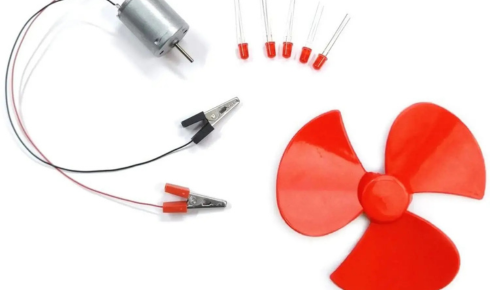
    A dc motor is one of the most commonly used electrical devices that converts direct current into mechanical motion. Its simple construction, reliable operation, and affordable cost make it suitable for countless applications, including robotics, toys, household appliances, conveyor systems, water pumps, and DIY electronics projects. DC motors are available in various sizes and power ratings to meet different requirements. Students frequently use them in educational models because they are easy to control and demonstrate the basic principles of electricity, magnetism, and rotational motion. Their versatility makes them an essential component in both academic and industrial environments.

    Physics Project Ideas for Practical Understanding

    A physics project helps students understand scientific principles through observation and experimentation rather than relying only on theoretical concepts. Popular physics projects include electromagnetic cranes, hydraulic lifts, electric generators, pendulum experiments, magnetic levitation models, and solar-powered devices. These projects explain concepts such as force, motion, energy conversion, electricity, and magnetism in an interactive way. Building practical models also improves creativity, critical thinking, and troubleshooting abilities while encouraging students to explore real-world engineering applications. Physics projects are widely showcased in schools, colleges, and science exhibitions because they combine education with innovation.

    Science Science Project for Skill Development

    A science science project provides students with valuable opportunities to apply classroom knowledge to practical situations. These projects often include renewable energy systems, environmental monitoring devices, automatic irrigation systems, robotics, smart home automation, and water conservation models. Working on science projects enhances research skills, teamwork, logical reasoning, and technical confidence. Students also learn how to plan experiments, collect data, analyze results, and present their findings effectively. Such activities promote curiosity and inspire future careers in science, engineering, and technology while making learning more engaging and enjoyable.

    Servo Motor for Precision Control

    A servo motor is a specialized motor designed to provide precise control over angular position, speed, and movement. Unlike standard motors, servo motors use feedback mechanisms to achieve highly accurate positioning. They are widely used in robotic arms, CNC machines, camera stabilizers, remote-controlled vehicles, industrial automation, and aerospace applications. Servo motors are easy to interface with popular microcontrollers such as Arduino and Raspberry Pi, making them ideal for educational and robotics projects. Their ability to perform controlled movements with high accuracy makes them an important component in modern automation systems.

    Importance of Practical STEM Education

    Hands-on STEM education enables students to transform theoretical knowledge into practical skills. By building electronic circuits, mechanical models, and automation systems, learners gain experience in design, testing, programming, and troubleshooting. Practical activities strengthen critical thinking, creativity, collaboration, and communication skills while preparing students for higher education and technical careers. Schools and educational institutions increasingly encourage project-based learning because it develops confidence and promotes innovation in real-world problem-solving.

    Choosing the Right Components for Projects

    Selecting quality electronic and mechanical components is essential for achieving reliable project performance. Genuine motors, sensors, controllers, and structural materials improve efficiency, durability, and accuracy. Students should consider compatibility, voltage ratings, power requirements, and application needs before purchasing components. Reliable products reduce maintenance, minimize project failures, and ensure consistent results during demonstrations and competitions. Investing in quality materials ultimately saves time while improving the overall success of science and engineering projects.

    Conclusion

    Practical learning remains one of the most effective ways to understand scientific and engineering concepts. DC motors provide dependable mechanical motion, physics projects strengthen conceptual understanding, science projects encourage innovation, and servo motors deliver exceptional precision for automation and robotics. Together, these technologies help students build technical expertise, improve creativity, and develop problem-solving abilities. Whether preparing for a classroom assignment, science exhibition, or engineering competition, choosing the right components and applying scientific principles can lead to impressive, educational, and successful project outcomes.

  • Madhur Matka Result: A Complete Guide to Madhur Matka Charts and Online Updates

    Madhur Matka Result: A Complete Guide to Madhur Matka Charts and Online Updates

    Introduction

    Madhur Matka has become one of the most searched topics among people interested in chart-based information and historical records. With the rapid growth of online platforms, users can now access charts, archives, and updates more easily than ever before. Many websites provide organized information that helps visitors explore historical records and stay informed about the latest developments.

    The increasing availability of digital resources has contributed significantly to the popularity of chart-related searches. Whether users are looking for historical archives or daily updates, online platforms offer convenient access to a wide range of information.

    What is Madhur Matka?

    madhur matka is a widely recognized name in the world of chart-based information and record tracking. Over the years, it has attracted a large audience interested in reviewing historical charts and accessing organized archives. Many users regularly visit websites dedicated to providing updated information and historical records related to Madhur Matka.

    The popularity of this platform stems from its extensive archives and user-friendly access to information. Online resources make it possible for visitors to review previous records and compare data from different periods without difficulty.

    Understanding Madhur Matka Result

    For many users, madhur matka result is one of the most important search terms related to chart information. People frequently search for result updates to stay informed and access the latest available records. Dedicated websites often provide regularly updated sections that help users find relevant information quickly.

    The demand for result-related information has grown significantly due to the convenience of digital platforms. Instead of relying on traditional sources, users can instantly access updates through smartphones, tablets, and computers. This easy accessibility has contributed to the increasing popularity of online chart resources.

    Importance of Historical Charts

    Historical charts are an essential part of the Madhur Matka ecosystem. These archives allow users to review past records and compare information across different time periods. By maintaining detailed archives, websites provide valuable resources for visitors seeking historical data.

    Many chart platforms organize records in a structured format, making it easy to navigate and locate specific information. Well-maintained archives improve the overall user experience and help visitors access information efficiently.

    Why Online Platforms Are Popular

    The growth of internet technology has transformed the way people access information. Online platforms provide immediate access to charts, archives, and records, making them a preferred choice for users. Several factors contribute to their popularity, including convenience, speed, and accessibility.

    Benefits of online chart platforms include:

    • Easy access to historical records
    • Mobile-friendly browsing experience
    • Organized chart archives
    • Fast search and navigation features
    • Regularly updated information

    These advantages have helped chart-related websites attract a growing audience from different regions.

    The Role of Digital Archives

    Digital archives serve as a valuable resource for users who want to explore historical information. These archives preserve records from previous periods and make them available for future reference. Visitors can browse archived charts, compare records, and access detailed information whenever required.

    As technology continues to improve, digital archives are becoming more sophisticated and user-friendly. Enhanced search features and better organization allow users to locate information more quickly and efficiently.

    Importance of Reliable Information

    Access to accurate and reliable information is essential for users searching for chart-related data. Websites that regularly update their archives and maintain organized records are often considered more trustworthy by visitors. Reliable sources help users find the information they need without confusion or delays.

    Trustworthy platforms typically focus on maintaining updated archives, clear navigation systems, and user-friendly layouts. These features contribute to a positive browsing experience and encourage repeat visits.

    Future of Chart-Based Information

    The future of chart-based information is closely tied to technological advancements. As digital platforms continue to evolve, users can expect improved accessibility, faster updates, and enhanced archive management systems. Mobile applications and advanced search tools are likely to play a significant role in improving the user experience.

    The growing demand for historical records and organized information suggests that chart-related platforms will continue to expand and develop in the coming years.

    Conclusion

    The popularity of online chart archives continues to grow as more users seek convenient access to historical records and updated information. Madhur Matka and its related result searches remain highly relevant due to the availability of digital platforms that offer organized archives and user-friendly experiences. With continuous improvements in technology, accessing chart information will become even easier, allowing users to explore records, review historical data, and stay informed through reliable online resources.

  • Outdoor Junk Removal: Clean Yards Fast in AZ

    Outdoor Junk Removal: Clean Yards Fast in AZ

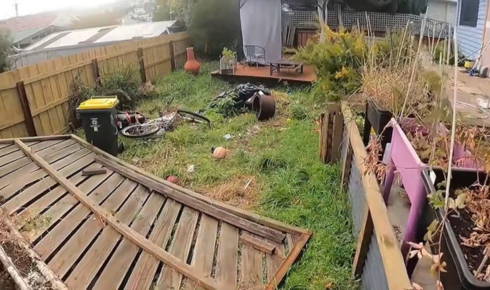
    Outdoor junk removal is no longer just about clearing clutter it’s about restoring usable space, improving curb appeal, and ensuring safe, compliant disposal of unwanted materials. For homeowners and property managers in Arizona, Outdoor Junk Removal has become an essential service for maintaining clean, functional outdoor environments. Whether it’s storm debris, old furniture, yard waste, or construction leftovers, efficient removal makes a noticeable difference in both property value and livability.

    For residents seeking dependable service, Junk Rescue AZ provides professional solutions designed to handle everything from small yard cleanups to large-scale exterior property clearing. In this guide, we’ll break down how outdoor junk removal works, why it matters, and what to expect from a professional service provider in 2026.

    What Is Outdoor Junk Removal and Why It Matters

    Outdoor Junk Removal refers to the process of collecting, hauling, and properly disposing of unwanted items found outside a property. This includes yards, driveways, patios, construction zones, and vacant lots.

    Unlike basic trash pickup, outdoor junk removal services handle bulk, heavy, or irregular materials that municipal systems typically do not accept.

    Common items include:

    • Broken outdoor furniture
    • Tree branches and yard debris
    • Old grills and patio equipment
    • Construction waste materials
    • Fencing, sheds, and decking remnants
    • Storm-damaged landscaping materials

    The importance of proper removal goes beyond aesthetics. Accumulated outdoor junk can create safety hazards, attract pests, and lead to drainage issues during heavy rainfall. In Arizona’s climate, unmanaged debris can also become a fire risk during dry seasons.

    The Growing Demand for Outdoor Junk Removal in Arizona

    Arizona’s rapid residential expansion and frequent weather shifts have increased the need for Outdoor Junk Removal services across neighborhoods and commercial properties.

    Several factors drive this demand:

    1. Landscaping and Yard Renovations

    Homeowners frequently upgrade desert landscaping, replace irrigation systems, or redesign outdoor living spaces. These projects generate large amounts of waste that require professional hauling.

    2. Monsoon and Storm Cleanup

    Seasonal storms often leave behind broken branches, scattered debris, and damaged outdoor structures. Quick cleanup is essential to restore safety and accessibility.

    3. Property Management Requirements

    Rental properties, HOAs, and commercial sites must maintain clean exteriors to meet regulations and tenant expectations.

    4. Growing Awareness of Curb Appeal

    Clean outdoor spaces directly influence property value. Many homeowners now prioritize exterior cleanliness before selling or renting their homes.

    Benefits of Professional Outdoor Junk Removal

    Hiring a professional service for Outdoor Junk Removal provides more than convenienceit ensures efficiency, compliance, and environmental responsibility.

    Time-Saving Convenience

    Clearing outdoor junk can take hours or even days without proper equipment. Professionals complete the job quickly using specialized tools and trained crews.

    Safe and Proper Handling

    Heavy or sharp debris can cause injuries if handled incorrectly. Trained teams reduce risk through safe lifting techniques and protective gear.

    Environmentally Responsible Disposal

    A reputable junk removal company sorts materials for recycling, donation, or landfill disposal. This reduces environmental impact and supports sustainability efforts.

    Improved Property Value and Appearance

    A clean exterior instantly enhances curb appeal, making homes more attractive to buyers, tenants, and visitors.

    Compliance with Local Regulations

    Improper disposal of construction or yard waste can lead to fines. Professional services ensure compliance with local Arizona disposal rules.

    How the Outdoor Junk Removal Process Works

    Understanding the process helps homeowners know what to expect when booking Outdoor Junk Removal services.

    Step 1: Initial Assessment

    The team evaluates the scope of the project, identifying the type and volume of debris.

    Step 2: Transparent Quote

    A clear estimate is provided based on labor, volume, and disposal requirements.

    Step 3: On-Site Removal

    Crews arrive with the necessary equipment trucks, tools, and safety gear to remove items efficiently.

    Step 4: Sorting and Loading

    Items are sorted for recycling, donation, or disposal while loading is in progress.

    Step 5: Final Cleanup

    The area is swept and cleared, leaving the outdoor space ready for immediate use.

    Common Outdoor Junk Problems Homeowners Face

    Many property owners don’t realize how quickly outdoor clutter accumulates until it becomes overwhelming. Some of the most common issues include:

    • Overgrown yards filled with fallen branches
    • Old sheds or play structures left unused
    • Broken patio furniture taking up space
    • Renovation debris from DIY landscaping projects
    • Abandoned materials after construction work

    Addressing these issues early prevents long-term damage and costly property deterioration.

    DIY vs Professional Outdoor Junk Removal

    While some homeowners attempt DIY cleanup, it often comes with hidden challenges.

    Limitations of DIY Cleanup

    • Lack of proper hauling vehicles
    • Physical strain and injury risk
    • Multiple trips to disposal facilities
    • Uncertainty about recycling regulations

    Advantages of Hiring Experts

    • Fast and efficient removal
    • Access to proper equipment
    • Knowledge of disposal regulations
    • Reduced environmental impact

    In most cases, professional Outdoor Junk Removal services are more cost-effective when factoring in time, effort, and transportation expenses.

    Sustainable Practices in Outdoor Junk Removal

    Modern junk removal companies are increasingly focused on sustainability. Instead of sending everything to landfills, materials are sorted and redirected whenever possible.

    Key sustainability practices include:

    • Recycling metals, wood, and plastics
    • Donating usable furniture and equipment
    • Composting organic yard waste
    • Reducing landfill dependency

    These practices help reduce environmental strain and support local recycling industries.

    Choosing the Right Outdoor Junk Removal Provider

    Not all services are equal. When selecting a provider, consider the following:

    Experience and Reputation

    Look for companies with proven experience in handling residential and commercial outdoor cleanup.

    Transparent Pricing

    Avoid providers with unclear or hidden fees. A reliable service offers upfront estimates.

    Eco-Friendly Commitment

    Choose a company that prioritizes recycling and responsible disposal.

    Service Range

    A good provider should handle everything from small yard debris to full property cleanouts.

    Responsiveness

    Fast scheduling and communication are essential, especially for urgent cleanups.

    Why Outdoor Junk Removal Improves Lifestyle and Property Value

    A clean outdoor space is more than visually appealing it enhances how you use your property. Whether it’s hosting gatherings, improving safety, or preparing a home for sale, Outdoor Junk Removal plays a key role in maximizing outdoor potential.

    Benefits include:

    • Increased usable outdoor space
    • Safer environment for families and pets
    • Higher resale value
    • Better neighborhood appearance

    Final Thoughts

    Outdoor clutter can accumulate quickly, but removing it doesn’t have to be overwhelming. With professional Outdoor Junk Removal, homeowners and property managers can restore order, improve safety, and enhance property value efficiently.

    From yard debris to large-scale cleanouts, the right team ensures the job is done responsibly and thoroughly. If you’re ready to reclaim your outdoor space, working with an experienced provider like Junk Rescue AZ is a strong first step toward a cleaner, more functional property.

    Learn more or schedule service at Junk Rescue AZ.


  • Why Better Water Treatment Starts Long Before the Final Filter

    Why Better Water Treatment Starts Long Before the Final Filter

    Most people think about water treatment in terms of the end result. They picture a glass of clean water coming from the kitchen tap or maybe a large industrial filtration system quietly operating in the background. But what many homeowners and businesses don’t realize is that the real magic often happens before the main filtration stage even begins.

    Good water treatment is rarely about one single filter doing all the work.

    It’s more like a team effort — layers of protection working together to improve efficiency, extend equipment life, and create more reliable results over time. And honestly, once you understand how water systems actually function, it becomes pretty obvious why preparation matters so much.

    Especially when reverse osmosis enters the picture.

    Reverse Osmosis Systems Need Protection Too

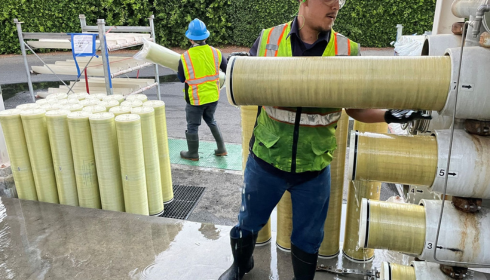
    Reverse osmosis is one of the most effective filtration methods available today. It’s capable of reducing dissolved solids, minerals, and many impurities that standard filters simply can’t handle as efficiently.

    But here’s the thing people sometimes overlook: reverse osmosis membranes are delicate compared to other filtration components.

    If untreated water loaded with sediment, chlorine, scale-forming minerals, or organic material reaches those membranes directly, performance begins declining much faster. Efficiency drops. Maintenance costs increase. Filters require replacement earlier than expected.

    That’s exactly why reverse osmosis pretreatment plays such an important role in both residential and commercial water systems.

    Pretreatment stages help condition the water before it reaches the main membrane. Sediment filters capture particles. Carbon filtration removes chlorine that could damage sensitive membranes. Water softeners may reduce scale buildup caused by calcium and magnesium.

    Think of it like preparing a surface before painting. The final result depends heavily on what happens beforehand.

    Water Problems Usually Build Slowly

    One frustrating thing about poor water quality is how quietly the problems develop.

    You rarely wake up one morning to catastrophic failure caused by untreated water. Instead, small issues slowly pile up over time. Water pressure decreases. Filters clog faster. Appliances become less efficient. Equipment maintenance becomes more frequent.

    And because these problems emerge gradually, homeowners and businesses often adapt to them without realizing water quality is the underlying issue.

    That’s why effective contaminant removal matters so much beyond simple drinking water concerns. Water carries all kinds of substances depending on local conditions — sediment, chlorine, dissolved minerals, bacteria, organic compounds, and other impurities that affect both system performance and daily use.

    Different locations face different challenges too.

    Municipal water supplies may contain chlorine-heavy treatment residues. Well water can introduce iron, sulfur, or sediment issues. Industrial facilities sometimes deal with highly variable water conditions depending on operational demands and regional infrastructure.

    There’s no universal solution because water itself isn’t universal.

    Pretreatment Improves More Than Just Filtration

    One thing people often assume is that pretreatment only exists to “help the filter.” Technically true, but it does much more than that.

    Proper pretreatment improves system longevity, energy efficiency, maintenance schedules, and overall reliability. In commercial or industrial environments, those improvements can translate into serious operational savings over time.

    For example, scaling inside reverse osmosis membranes reduces flow rates and increases energy demands because the system must work harder to push water through partially blocked surfaces. Pretreatment minimizes those risks before they become expensive problems.

    And honestly, prevention is almost always cheaper than constant repairs.

    The same principle applies in residential systems too. Homeowners may notice fewer filter replacements, more consistent water pressure, and longer appliance lifespan when water is properly conditioned before advanced filtration occurs.

    Better Water Changes Everyday Experiences

    Of course, technical performance matters, but people also notice practical lifestyle improvements pretty quickly once water systems are functioning properly.

    Coffee tastes cleaner. Shower doors collect less residue. Ice cubes lose that faint chemical smell some municipal water carries. Laundry feels softer. Even simple things like washing fruits and vegetables feel different somehow.

    Those small experiences shape how people think about their home environment more than they realize.

    And ultimately, that’s why conversations around water quality have expanded so much over the last decade. People aren’t just asking whether water is technically safe anymore. They care about taste, comfort, appliance protection, sustainability, and long-term reliability too.

    Water affects daily life constantly, even when we barely think about it.

    Every Water System Should Be Customized

    One mistake homeowners sometimes make is buying advanced filtration equipment without fully understanding the condition of their incoming water.

    That usually leads to frustration.

    A high-end reverse osmosis system won’t perform optimally if sediment overloads the membranes constantly. A softener alone won’t remove certain contaminants. Carbon filtration helps with chlorine, but not every dissolved mineral issue.

    That’s why professional water testing matters so much before choosing equipment.

    Proper analysis identifies what’s actually present in the water supply so treatment stages can be customized appropriately. Some homes need simple sediment reduction and carbon filtration. Others require softening, iron removal, UV sterilization, or multiple layers working together.

    The smartest systems are designed around real conditions rather than assumptions.

    Businesses Depend on Consistent Water More Than Ever

    Commercial and industrial facilities especially understand the importance of stable water conditions because inconsistency directly affects operations.

    Restaurants rely on water for food preparation and beverage quality. Manufacturing plants need consistent processing conditions. Healthcare facilities depend on sanitation standards. Hotels care about guest comfort and equipment reliability.

    Poor water quality quietly creates friction everywhere.

    That’s why pretreatment has become such an essential component in larger filtration systems across industries. It protects expensive equipment while helping businesses maintain more predictable results day after day.

    And honestly, customers notice more than businesses sometimes expect. Taste differences, cloudy glassware, appliance issues, or inconsistent product quality all shape perception over time.

    The Best Water Systems Feel Invisible

    What’s interesting about well-designed water treatment systems is that when they work properly, people stop thinking about them altogether.

    The water tastes good. Equipment runs smoothly. Filters last longer. Appliances stay cleaner. Daily routines feel easier.

    That quiet consistency is really the goal.

    Because at the end of the day, most people don’t want to become water treatment experts. They simply want reliable systems that remove unnecessary stress from daily life without demanding constant attention in return.

    And honestly, the best water solutions usually do exactly that — quietly supporting everything in the background while people focus on living their lives instead.